- スマートシティ/モビリティHOME
- ユースケースで探す
-
製品・サービスで探す

- イベント・
セミナー - コラム
- お問い合わせ
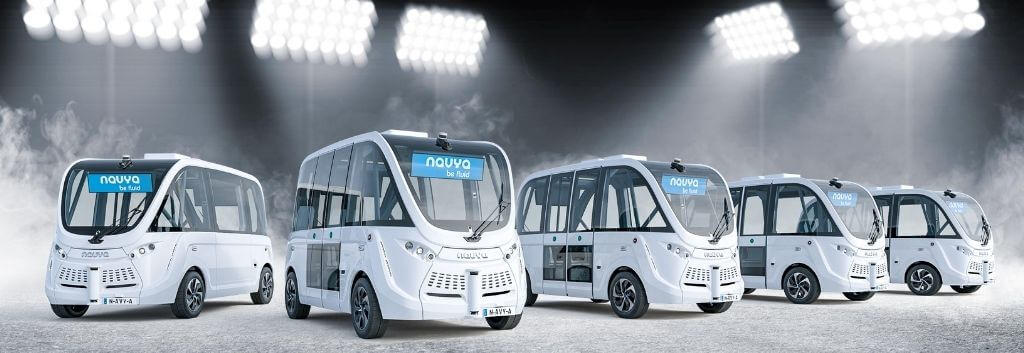
GAUSSIN MACNICA MOBILITYについて
GAUSSIN MACNICA MOBILITY(旧NAVYA 社、以下Gama)は自動運転ソリューションを提供するリーディングカンパニーです。
自動運転による交通課題の解決をミッションとして、“ファースト&ラストワンマイル”をコンセプトに渋滞緩和や交通弱者救済などに取り組んでいます。2023 年5 月にマクニカ と仏GAUSSIN 社で「人と物の輸送のための自律的でゼロ・エミッションのモビリティ開発を目的とした新会社(GAUSSIN MACNICA MOBILITY)」を設立し、旧NAVYA 社の資産を引き継いで事業を継続するとともに、私有地向けの大型トラクターやAGV のソリューション提供も手掛けていきます。
コンセプト
Gamaの自動運転ソリューションは商用利用を前提に設計されており、様々なユースケースにおいて自動運転サービスの実用化を支援します。
安全・安定走行
- 実績のある信頼性の高い自動運転システム
- 明確化された運行設計領域(ODD)
- 安全性を担保する保安基準適合
安全・安定運用
- 充実したメンテナンスプログラム
- ハードウェアやソフトウェアの
品質保証
ユーザビリティ
- 商用を意識した車両デザインや機能設計
- 複合的なシステムやツールの活用
事業性
- 効果的なサービスモデルの構築
- KPIの設定と可視化された評価指標
ソリューション
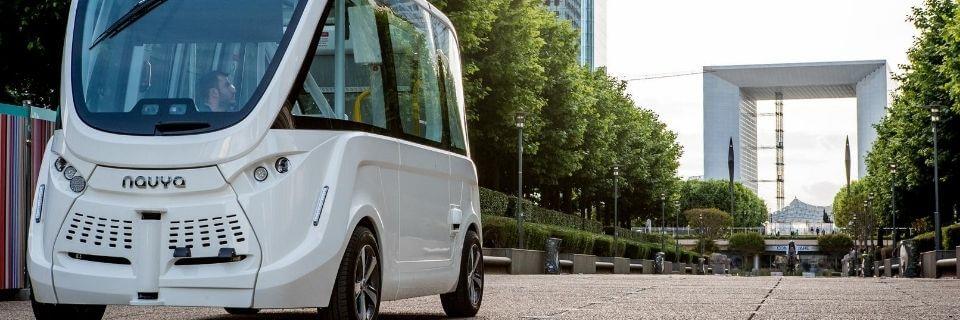
Gamaでは公道も走行することのできる最大15人乗りの「自動運転EVバス」や空港・プラントなどで活用のできる「自動運転トーイングトラクター」のソリューションを提供しています。
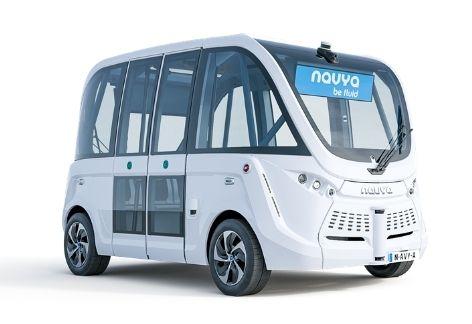
自動運転EVバス
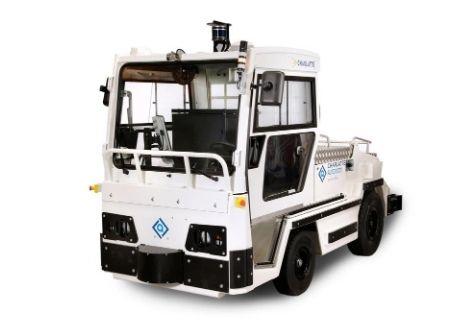
自動運転トーイングトラクター
実績
Gamaの自動運転ソリューションはこれまでに23か国以上で200台以上の導入実績があります。
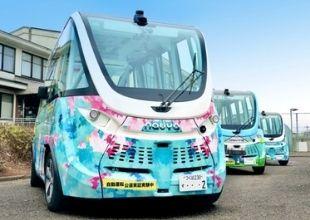
自動運転EVバス
茨城/境町
町内を結ぶ生活路線バスとして2台の車両が定時・定路線で運行しています。地域住民の利便性や町内の回遊性の向上に貢献しています。
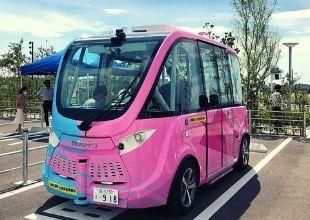
自動運転EVバス
東京/羽田イノベーションシティ
商業施設内の無料循環バスとして定常運行しています。施設来場者に構内移動の利便性やイノベーション体験を提供しています。
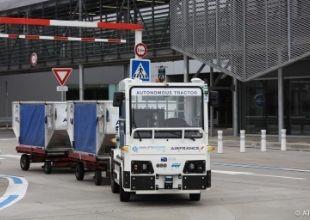
自動運転トーイングトラクター
フランス/トゥールーズ
トゥールーズ・ブラニャック空港内にて実証実験を実施しています。約1.5km のルートにて手荷物を積載したコンテナを自動搬送しています。
自動運転シャトルバス
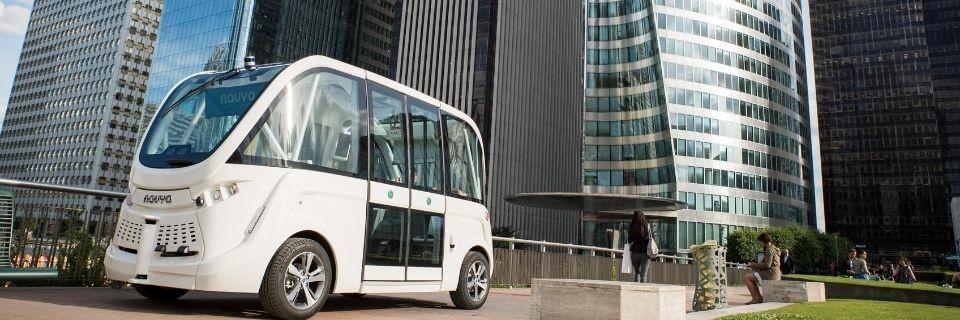
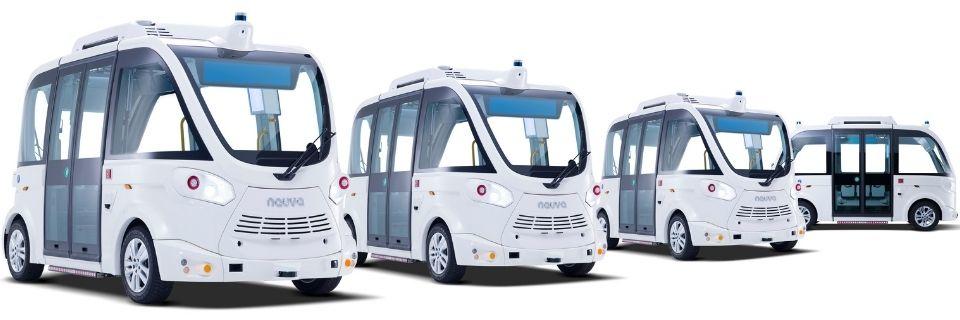
Gamaではレベル4対応の「EVO」とレベル3対応の「ARMA」の2種類の自動運転EVバスを提供しています。公道を走行することもできるため、公共交通ネットワークと接続することで、交通弱者の救済や渋滞緩和など社会課題の解決に効果を発揮します。また、公園や商業施設、工場・プラントなどのプライベートエリアでは、エリア内の回遊性や収益性を高めることで、集客やコストの改善に貢献します。すでに23か国以上での採用実績があり、安全で信頼性の高い、快適な輸送を実現します。
EVO(エヴォ)
概要
EVOは2020年7月にNAVYA社よりリリースされた新型の自動運転EVバスです。私有地などの限定エリアではオペレーターの同乗なしで「レベル4*」の完全自動運転を実現します。

レベル4*
自動運転システム
ハンドル・アクセル・ブレーキなし
(セーフティ機能あり)

車両サイズ
全長 4.78m
全幅 2.10m
全高 2.67m

乗車定員 15人
座席 11人
立席 4人

速度 25km/h
日本国内推奨速度
20km/h未満
EV(電気自動車)
最大走行時間 9時間
走行距離 100km
*ODD(運行設計領域)に基づく走行環境条件を満たす場合に限ります
車両デザイン
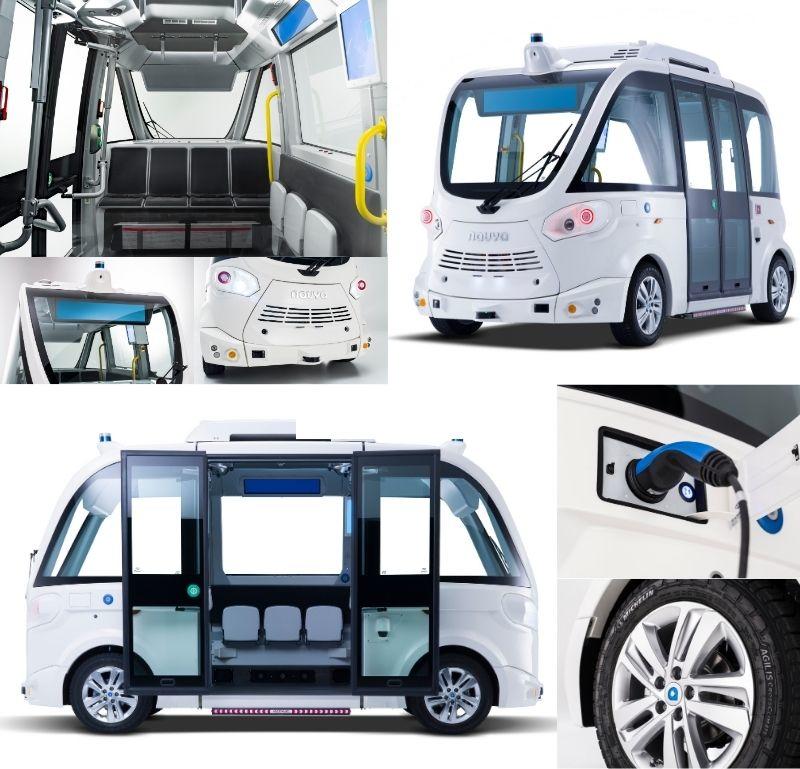
乗客を最優先に考えた快適で信頼性の高い車両デザインです。最大乗車定員15人の広々とした車室空間では、様々なユーザー体験を提供することができます。車室内には運行情報を表示するダッシュボード、車両前後には歩行者など周辺環境とのコミュニケーション手段としてインフォメーション・スクリーンを搭載します。また、乗降口の段差をなくすノンステップバスや緊急時のSOSシステムを装備しています。
システム構成
自動運転に必要な様々なセンサーや技術を搭載しています。
1
LiDAR
赤外線を照射し物体に反射した赤外線を受光し、障害物検出を行います。ルーフには3Dタイプ、バンパーには2Dタイプを用いて使い分けています。
2
オドメトリ
タイヤの回転回数を元に走行距離を算出します。
3
GNSS
車両位置の特定に使用します。リアルタイムキネマティック(RTK) の手法を用いて基準局の情報を共有することで誤差数cmを実現します。
4
カメラ
前後に1つずつ設置し、自車周囲の安全確認を行います。
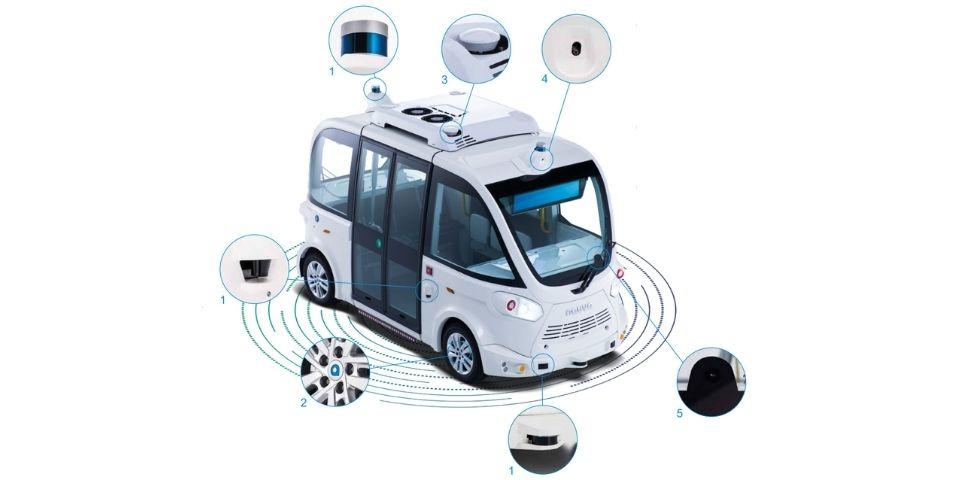
5
感知センサー
外部の光や雨滴を感知してオートライトやオートワイパーを作動させます。
●
SLAM
あらかじめLiDAR 情報を用いて作成した地図情報と、現在のLiDAR 情報をマッチングして自車位置を特定します。
●
V2X
信号等の道路に設置してある様々なインフラ側からのデータを受信し、交通ルール等を遵守します。
●
遠隔監視・制御
万が一のときのために、集中管理センターでの監視、及び介入が必要な場合には遠隔制御も実施します。
ARMA(アルマ)
概要
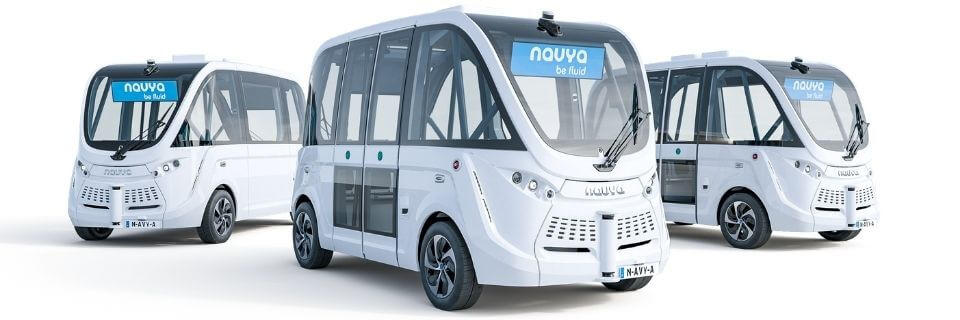
ARMAは自動運転システムを搭載した乗車定員15人、最高速度25km/hの自動運転EVバスです。EV(電気自動車)仕様となり、1回の充電で約9時間(100km)の自動走行が可能です。
レベル3*
自動運転システム
ハンドル・アクセル・ブレーキなし
(セーフティ機能あり)
車両サイズ
全長 4.75m
全幅 2.11m
全高 2.65m
乗車定員 15人
座席 11人
立席 4人
速度 25km/h
日本国内推奨速度
20km/h 未満
EV(電気自動車)
最大走行時間 9時間
走行距離 100km
*ODD(運行設計領域)に基づく走行環境条件を満たす場合に限ります
車両デザイン
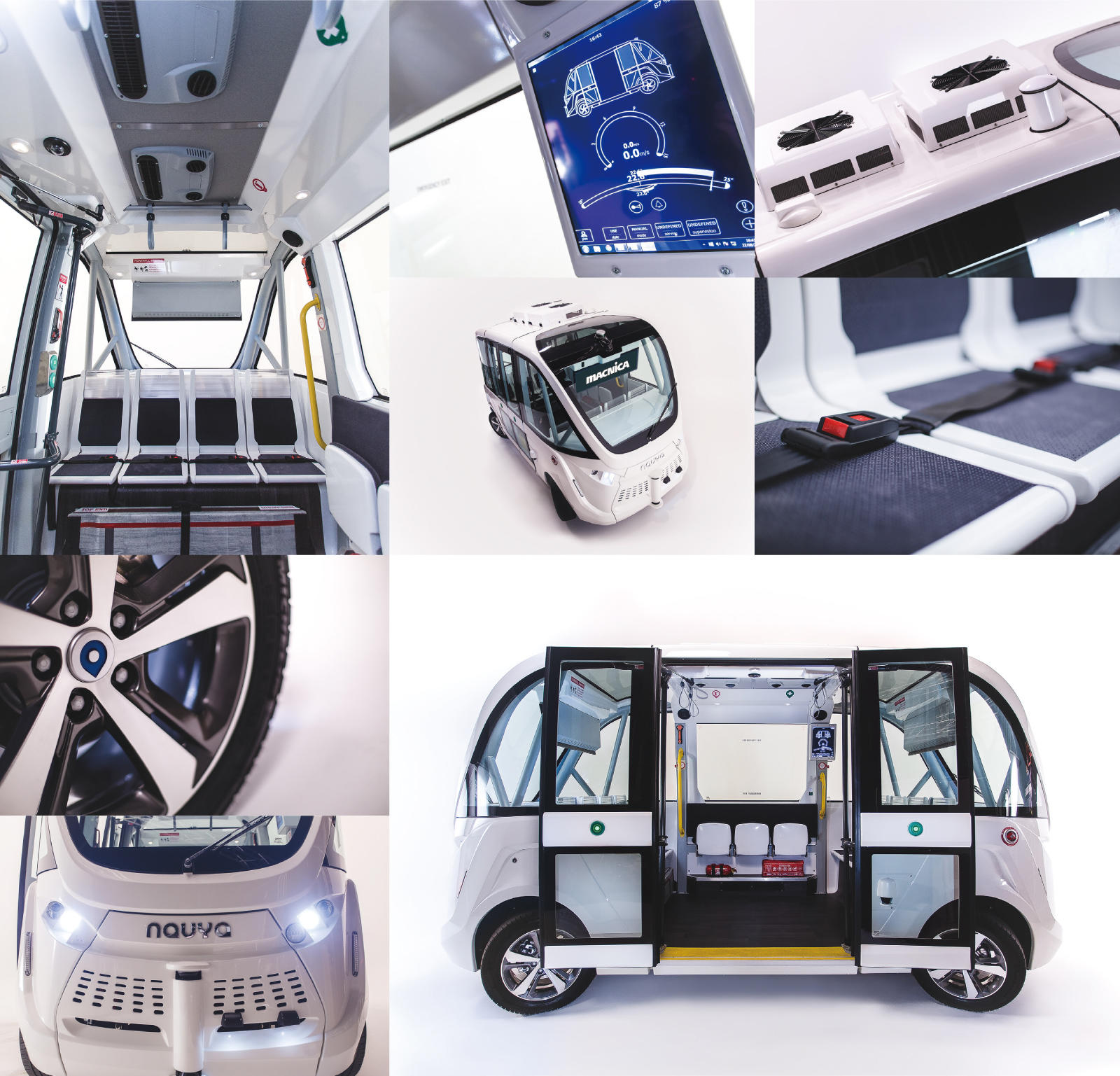
乗客を最優先に考えた快適で信頼性の高い車両デザインです。最大乗車人数は15人(座席11人、立席4人)となり、全長4.75m・全幅2.11m・全高2.65mの車内は、広々とした快適な空間を提供します。車両内部には運行情報を表示するディスプレイ、車両前後には歩行者など周辺環境とのコミュニケーション手段としてインフォメーション・スクリーンを搭載します。また、乗降口の段差をなくすノンステップバスや緊急時のSOSシステムを装備します。
システム構成
自動運転に必要な様々なセンサーや技術を搭載しています。
A
GNSS
車両位置の特定に使用します。リアルタイムキネマティック(RTK) の手法を用いて基準局の情報を共有することで誤差数cmを実現します。
B
カメラ
前後に1つずつ設置し、自車周囲の安全確認を行います。
C
LiDAR
赤外線を照射し物体に反射した赤外線を受光し、障害物検出を行います。ルーフには3Dタイプ、バンパーには2Dタイプを用いて使い分けています。
D
オドメトリ
タイヤの回転回数を元に走行距離を算出します。
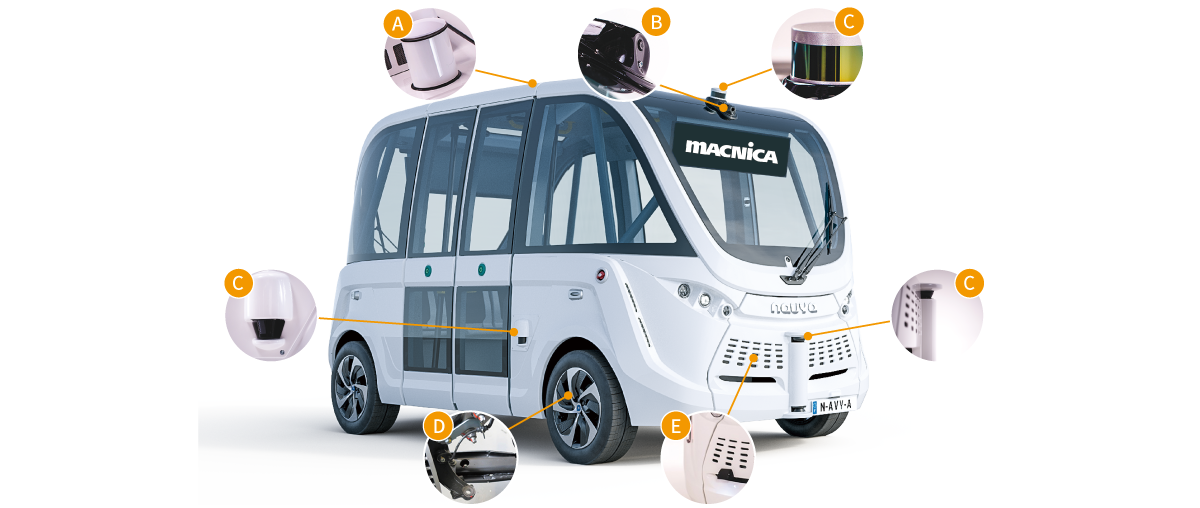
E
IMU
加速度センサと角速度(ジャイロ)センサを組み合わせて車体の挙動をセンシングします。
●
SLAM
あらかじめLiDAR 情報を用いて作成した地図情報と、現在のLiDAR 情報をマッチングして自車位置を特定します。
●
V2X
信号等の道路に設置してある様々なインフラ側からのデータを受信し、交通ルール等を遵守します。
●
遠隔監視・制御
万が一のときのために、集中管理センターでの監視、及び介入が必要な場合には遠隔制御も実施します。
EVOとARMAの比較
| 項目 | EVO | ARMA | |
| システム | 自動運転レベル | レベル4* | レベル3* |
| 寸法 | 全長 | 4.78m | 4.75m |
| 全幅 | 2.10m | 2.11m | |
| 全高 | 2.67m | 2.65m | |
| 重量 | 2,600kg | 2,400kg | |
| 乗車定員 | 人数 | 15人 | 15人 |
| エネルギー | 稼働時間(平均) | 9時間 | 9時間 |
| 動作温度 | -10℃~40℃ | 10℃~40℃ | |
| エンジン | 速度(推奨速度) | 25km(20km未満) | 25km(20km未満) |
| 最登坂能力 | 10~12% | 10~12% | |
| センサー | LiDAR | 10(3D x 8、2D x 2) | 8(3D x 6、2D x 2) |
| GNSS | 2 | 2 | |
| カメラ | 2 | 2 | |
| IMU | 2 | 1 | |
| オドメトリ | 1 | 1 | |
| 装備 | インフォメーションディスプレイ | 28インチ(車内向け)x 1 38インチ(車外向け)x 2 |
15インチ(車内向け)x 1 38インチ(車外向け)x 2 |
| 安全装置 | あり | あり | |
*ODD(運行設計領域)に基づく走行環境条件を満たす場合に限ります
ユースケース
EVO・ARMAは日本国内において公道を走行することができます。また、プライベートエリアでは、エリア内の回遊性や収益性を高めることで、集客やコストの改善に貢献します。
スマートシティ
公共交通ネットワークと接続して利便性を向上

商業施設
大きな施設内の回遊性を向上

リゾートホテル
大きな車窓から眺める景色をUXとして提供
空港
ターミナル間をつなぐ移動手段として最適

大学
天候に左右されない学生の移動をサポート
工場・プラント
従業員のスムーズな構内移動を実現

公園・ テーマパーク
体験型アトラクションとしての活用も可能

病院
医療物資や検体の自動搬送に利用
事例はこちら →
導入プロセス
プロジェクトの立案からサービスインまで最短3か月で実現します。

コンサルティング
プロジェクトの要件定義やスケジュールを設定します

フィジビリティ
実現性の事前検証やシステムの設計を行います

コミッショニング
走行ルートの作成や走行環境条件の設定を行います

オペレーション
運用における保守メンテナンスや導入効果の検証をします
自動運転トーイングトラクター
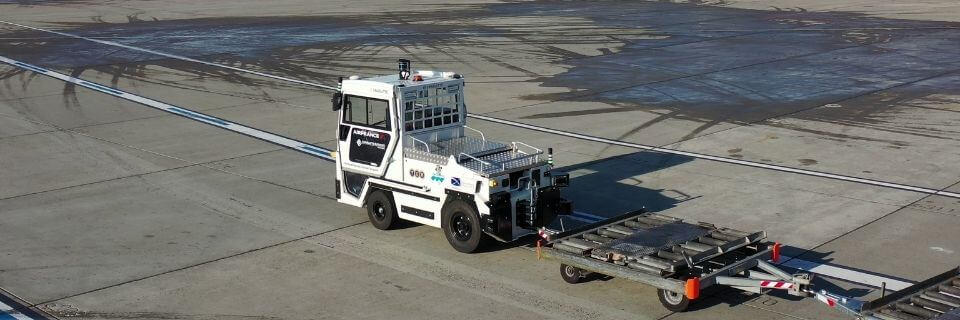
Gamaの自動運転トーイングトラクターは空港や工場・プラントなどにおいて、貨物や手荷物を積載したコンテナを自動搬送します。省力化を実現し、労働力不足やコストの改善に貢献します。
AT135
概要
AT135はフランスのCHARLATTE MANUTENTION社の電動トラクター車両にNAVYAの自動運転システムを実装した自動運転トラクターです。最高速度15km/h(手動運転最高速度25km/h)にて、最大重量25tまで牽引できます。
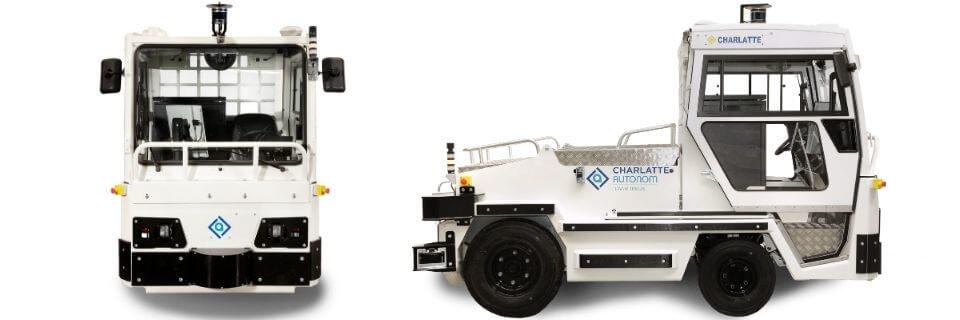
自動運転システム
手動運転可
EV(電気自動車)
最高速度 15km/h
手動運転時 25km/h

最大牽引重量 25t
自動運転システム
自動運転システムに必要な様々なセンサや技術を搭載しています。
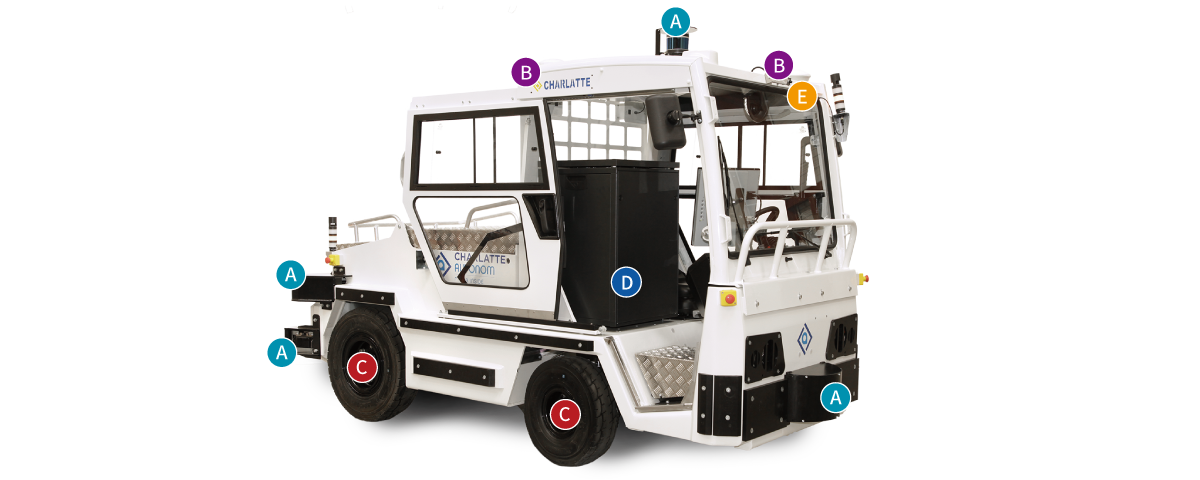
A
LiDAR
赤外線を照射し物体に反射した赤外線を受光し、障害物検出を行います。3Dタイプを用いて立体的に障害物を検出します。
B
GNSS
車両位置の特定に使用します。リアルタイムキネマティック(RTK)の手法を用いて基準局の情報を共有することで誤差数cmを実現します。
C
オドメトリ
タイヤの回転回数を元に走行距離を算出します。
D
IMU
加速度センサと角速度(ジャイロ)センサを組み合わせて車体の挙動をセンシングします。
E
カメラ
前後に1つずつ設置し、自車周囲の安全確認を行います。また走行予定経路を正しく走行しているかの確認も行います(将来対応予定)。
ユースケース
空港や工場・プラント、港湾など、大規模エリアにおける貨物の自動搬送に活用できます。
空港
工場・プラント

港湾
導入プロセス
プロジェクトの立案からサービスインまで最短3か月で実現します。
コンサルティング
プロジェクトの要件定義やスケジュールを設定します
フィジビリティ
実現性の事前検証やシステムの設計を行います
コミッショニング
走行ルートの作成や走行環境条件の設定を行います
オペレーション
運用における保守メンテナンスや導入効果の検証をします
資料ダウンロード
Gama製品に関する資料はこちらよりダウンロード下さい。特徴や詳細仕様などをご案内しております。
お問い合わせ
Gama製品に関するご質問やご不明点などございましたら、こちらよりお気軽にお問い合わせ下さい。