- Smart City/Mobility Business HOME
- Search by use case
-
Search by product/service

- event·
seminar -
Case studies and columns
- Inquiry

autonomous driving technology is evolving day by day. In the past few years, we have seen remarkable progress in many fields, from community buses to delivery drones, and the way people move and goods are distributed is about to change fundamentally.
However, there are technical and social challenges to be overcome in order to popularize services that utilize autonomous driving technology in society. In this article, we will delve into how autonomous driving technology will revolutionize existing means of transportation, while also focusing on the challenges it currently faces. We will also introduce the future mobility services (provision of means of transportation) that are expected to emerge as autonomous driving becomes more widespread.
Overview of autonomous driving technology
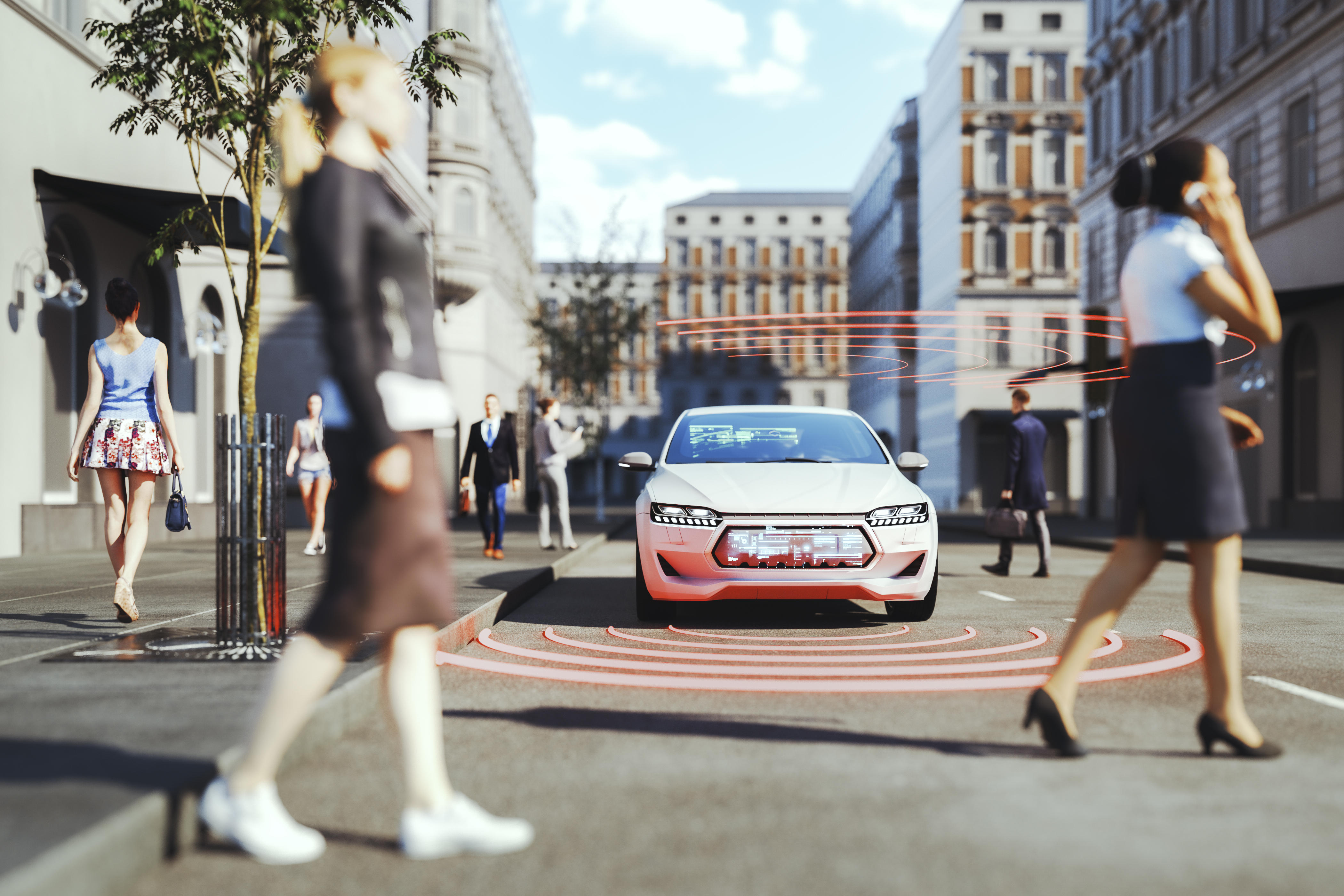
autonomous driving is a technology that allows a vehicle to sense its surroundings and drive automatically without the driver's intervention. By using sensors and systems to take on the roles of recognition, judgment, operation, and other functions normally performed by humans while driving, problems caused by human error can be avoided. This technology is expected to reduce traffic accidents and alleviate traffic congestion, and its development is progressing day by day.
autonomous driving cars are equipped with sensors, cameras, LiDAR and other measuring devices, as well as a communication system to grasp the vehicle's position. Using these technologies, the vehicle is able to read the surrounding road conditions and other information while automatically controlling its driving.
What is the current state of autonomous driving technology?
autonomous driving technology is evolving rapidly, and several companies and research institutes are working on test runs and practical applications. Currently, fully autonomous driving (autonomous driving level 5) has not been achieved, but some vehicles equipped with partially autonomous driving technology are already in practical use.
For example, some local governments are operating autonomous driving buses for traveling relatively short distances, such as between a station and a nearby store, and self-driving cars are beginning to be fully introduced as part of society.
The widespread use of autonomous driving has the benefit of resolving the driver shortage. There are many benefits, such as making up for the serious driver shortage, reducing traffic accidents, and easing traffic congestion, so the introduction of autonomous driving buses is one of the measures that many local governments are positively considering.
Level 4 autonomous driving is in the spotlight now
autonomous driving technology is classified from Level 1 to Level 5 according to regulations set by the Society of Automotive Engineers International (SAE).
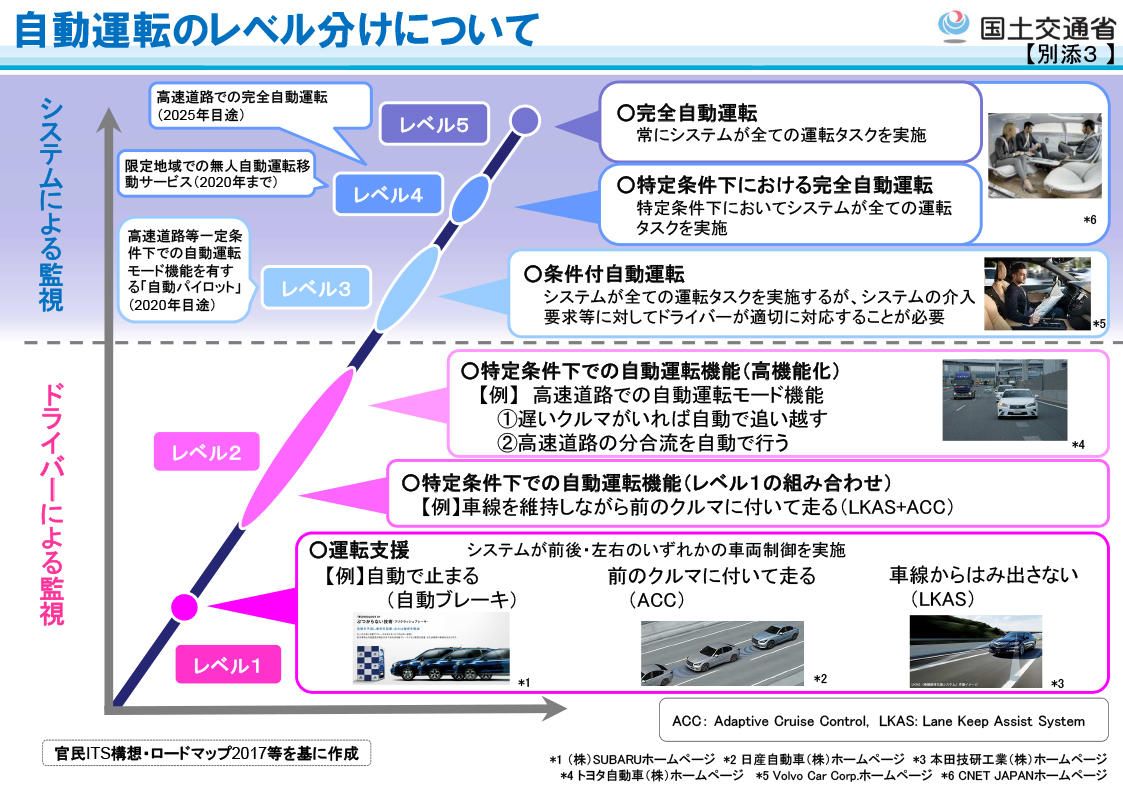
Regarding the classification of levels of autonomous driving Source: Ministry of Land, Infrastructure, Transport and Tourism "Regarding the classification of levels of autonomous driving "
- Level 1: Driving assistance only, human beings are the driving force, driving areas are limited
- Level 2: Partially automated driving, human driving is the main driver, driving areas are limited
- Level 3: Conditional driving automation, driving is mainly done by the system, and driving areas are limited
- Level 4: Highly automated driving, with the system taking the lead in driving and limited driving areas
- Level 5: Fully automated driving, with the system taking the lead in driving, and no limitations on driving area
Level 3 and above requires advanced technologies and systems to ensure safety and reliability, and legal regulations require compliance with even stricter requirements.
In Japan, 2023 Year Level 4 The revised Road Traffic Act, which allows autonomous driving driving of vehicles, has been enacted. 4 The driving is defined as "specific automated driving" and will be permitted to be driven on public roads if certain requirements are met.
The following functions are essential to achieve Level 4 driving:
・ ODD (operation design area)
This refers to the conditions for a vehicle's autonomous driving system to function normally. This includes the location, speed, and weather conditions of the vehicle. By meeting these conditions, the vehicle will be able to run autonomously without a driver. , which is a requirement for Level 4 driving.
・ MRM (Minimum Risk Maneuver)
This technology safely stops the vehicle when the system is unable to take over driving.
・ HMI (Human Machine Interface)
It refers to a mechanism by which people and systems can interact with each other.
Even with these features implemented, circumstances such as sudden bad weather or unexpected speeding can cause the vehicle to no longer meet the requirements, requiring the driver to take over the manual driving role.
Therefore, currently there are only a few cases of Level 4 autonomous driving in Japan. Although the vehicles are Level 4 compatible, there are still some uncertainties due to the reasons mentioned above, so in many cases they are actually operated at Level 2 or only on sections where general traffic is not mixed, such as private roads. However, local governments and automobile manufacturers are working together to actively advance demonstration experiments aimed at social implementation.
Changes that the spread of autonomous driving will bring to human mobility and logistics
Impact on public transport
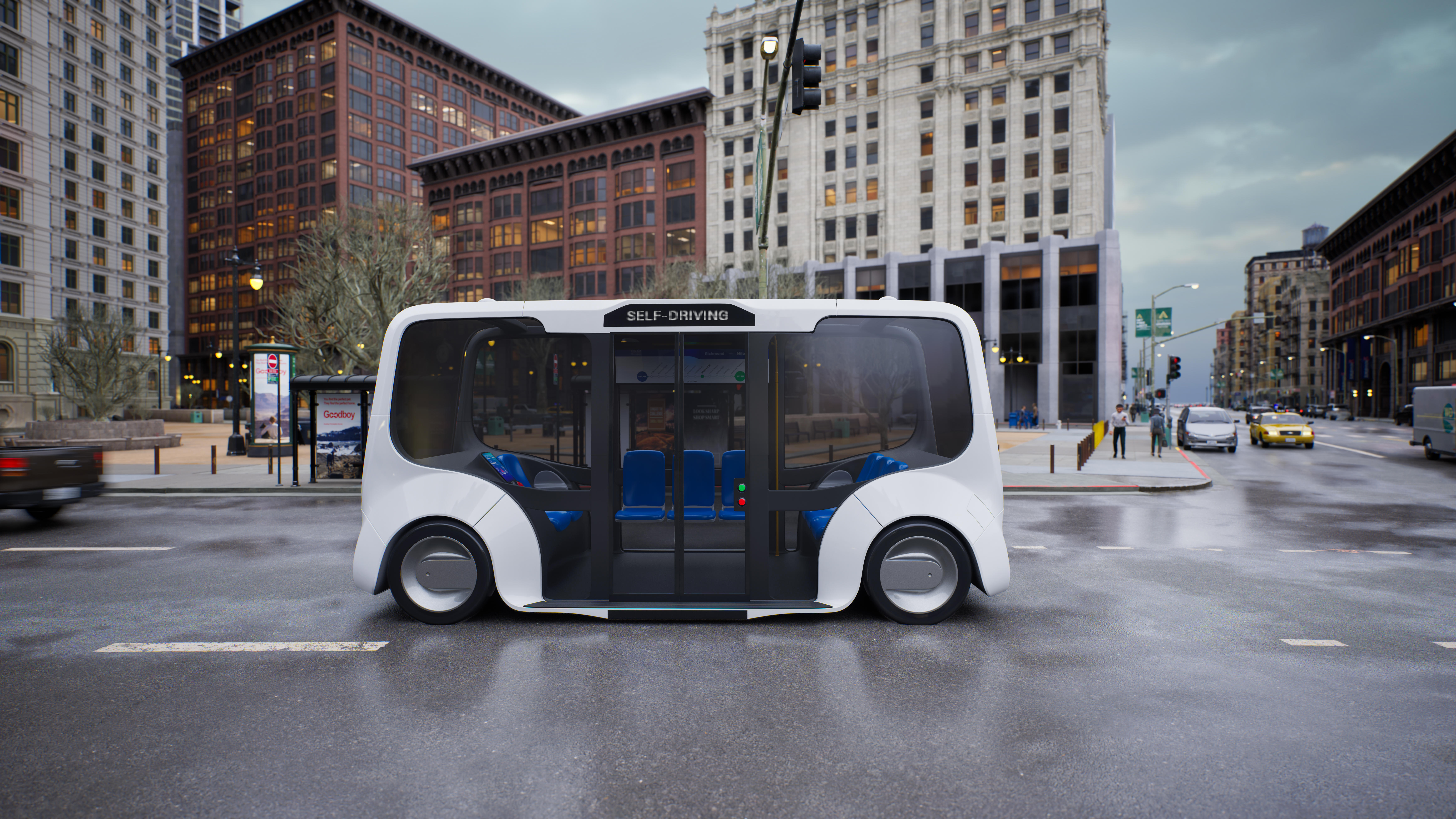
autonomous driving technology also has significant benefits for public transport: autonomous driving buses, for example, could enable more flexible routes and increased frequency of trips while reducing operating costs.
Not only will it be possible to operate the bus without securing a driver, but it is also expected to improve operational efficiency and contribute to improving convenience for users. In addition, autonomous driving vehicles will be more visible than other route buses in order to publicize their characteristics. This will allow the bus to appeal to the public that it is using advanced technology, and autonomous driving bus could be positioned as a symbol of the town, improving the image of the area.
Impact on taxi and ride-sharing services
autonomous driving will enable taxi and ride-sharing services to realize dramatic cost savings. For example, for services like Uber and Lyft, paying drivers currently accounts for a large portion of their operating costs. With Level 4 autonomous driving technology, drivers will no longer be necessary, which will lead to lower fares.
In addition, because it can operate 24 hours a day, 365 days a year, it will be possible to provide uninterrupted service, focusing on areas and times with high demand.
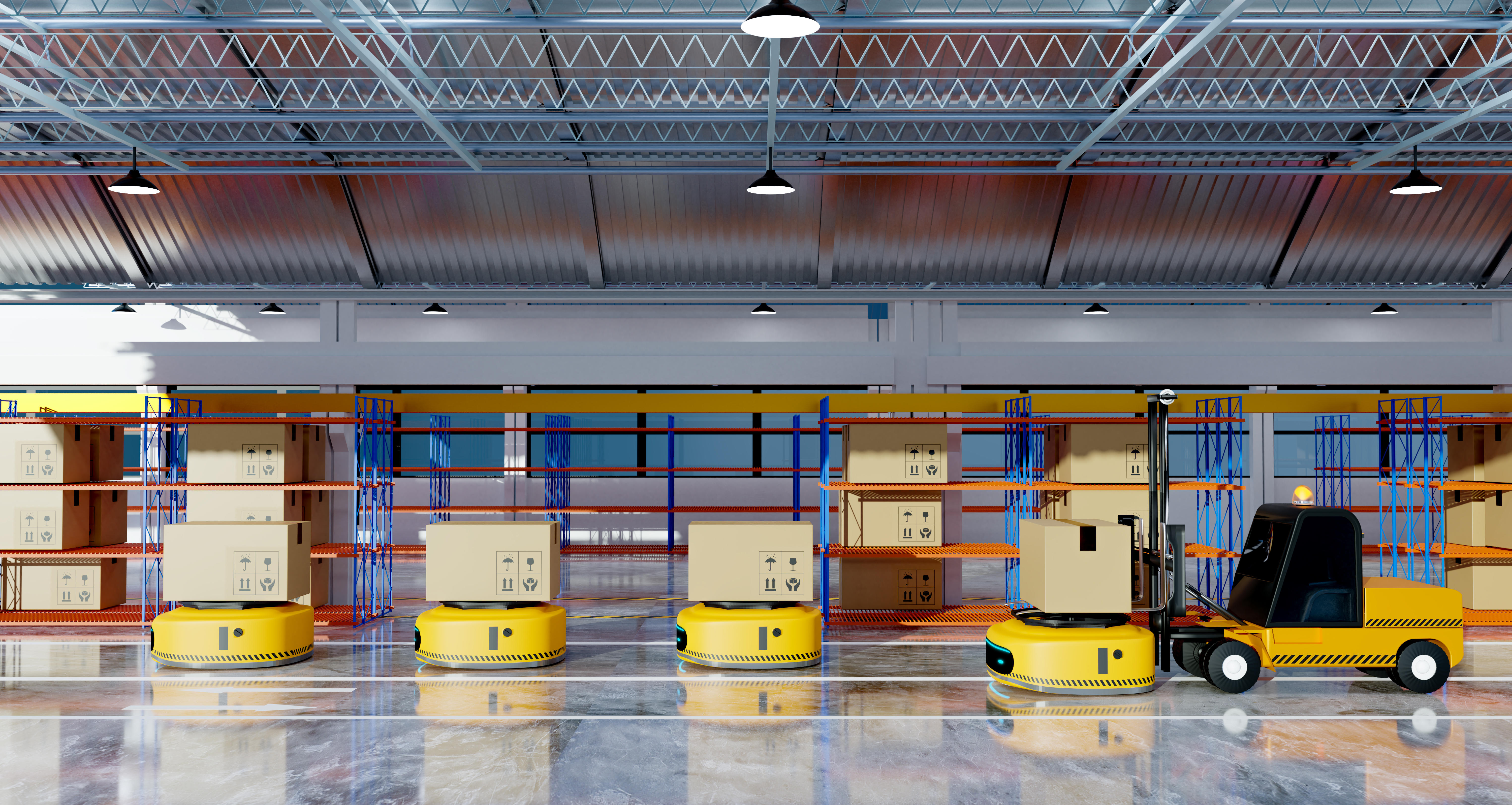
Impact on logistics and delivery services
The evolution of autonomous driving technology in logistics and delivery services will help improve efficiency and reduce costs. For example, autonomous driving trucks will not only eliminate the need for drivers, but even if a driver is on board, they will reduce driver fatigue during long-distance transport and ensure safer operation. In addition, delivery using drones will shorten delivery times and reduce costs, especially in remote areas and areas with chronic traffic congestion.
The introduction of autonomous driving technology in various fields faces many challenges, including not only the technical aspects, but also the development of legal regulations and increasing social acceptance. However, if these challenges can be overcome, the value that autonomous driving technology will bring will be immeasurable.
Three new mobility services brought about by the spread of autonomous driving
Let's look at three examples of new mobility services that could emerge as autonomous driving becomes more widespread.
1. Mobile office
There are many occasions when you will travel long distances using company cars for work. Introducing autonomous driving vehicles will allow you to turn the time you spend driving into time you can focus on your work. In addition, if the vehicle is equipped with a comfortable workspace, Wi-Fi, a charging station, and even a video conferencing system, it can be used as a mobile office with the necessary environment for work even while on the move. Such a service will be revolutionary, especially for business people who spend a lot of time traveling to clients and people who travel frequently between cities.
2. Mobile Entertainment Facilities
Next, what if there was autonomous driving vehicle that offered entertainment and relaxation while traveling? For example, autonomous driving vehicle with a complete home theater inside the car would allow you to watch movies and play games even during long-distance travel. If you could enjoy relaxation in a vehicle equipped with a small-scale spa or massage function, the journey itself would become worthwhile and fulfilling.
Furthermore, autonomous driving technology may make it possible to provide services such as mobile restaurants that allow you to eat while driving along tourist routes. In combination with GPS, it is also possible to move to your destination while listening to a guided audio commentary on the history and characteristics of the area. These services will not just help you get to your destination, but will make the journey itself a fun and comfortable experience.
3. Mobile medical facilities
autonomous driving medical service vehicles will allow patients living in remote areas to easily receive medical services. They will be able to adequately handle non-urgent matters such as the delivery of regular medications and regular health checkups.
If autonomous driving technology continues to evolve, it may become possible for ambulances to automatically determine their routes and quickly travel to accident or disaster sites or hospitals. Road conditions such as congestion and construction will be quickly determined in real time, allowing ambulances to rush to the scene via the shortest route.
These are just a few examples, but these types of services will not only create new business opportunities, but also have the potential to transform existing business models. As autonomous driving technology matures and becomes more accepted by society, it won't be long before these future services are incorporated into everyday life.
Are there any technical or social challenges to autonomous driving?
There are several technical and legal challenges to overcome before autonomous driving can become widespread. The most prominent are: AI The problems include the difficulty of making decisions and the complexity and cumbersome administrative procedures. 2 I will explain two challenges.
AI Judgment
Improving the judgment capabilities of AI (artificial intelligence), which is the core of autonomous driving technology, is essential. AI makes decisions based on vast amounts of data and experience. However, there are unpredictable situations, human error, and sudden events on the road. In order to make appropriate decisions in these complex and difficult-to-predict situations, it is essential to improve the judgment capabilities of AI.
Complicated and cumbersome administrative procedures
To introduce Level 3 and Level 4 autonomous driving autonomous driving vehicle modifications, declarations, advance consultations, and adjustments are required to comply with vehicle standards established by the Regional Transport Bureau and the Ministry of Land, Infrastructure, Transport and Tourism. Verification materials for safety standards and driving environment conditions must be prepared. If the review is passed, the next step is to submit an application to the Director of the Transport Bureau or the Minister of Land, Infrastructure, Transport and Tourism to grant driving environment conditions related to the automated driving device. If the review is approved, a driving permit will be issued.
In addition, applications for a truck transport business license, a road use permit, and a specific automated driving permit are required.
Of course, the procedures required will differ depending on the vehicle used for autonomous driving and the location (environment, etc.), but complex and cumbersome administrative procedures are a major issue, and there is a demand to simplify these procedures in order to promote the spread of autonomous driving.
What is the vision for mobility services of the future?
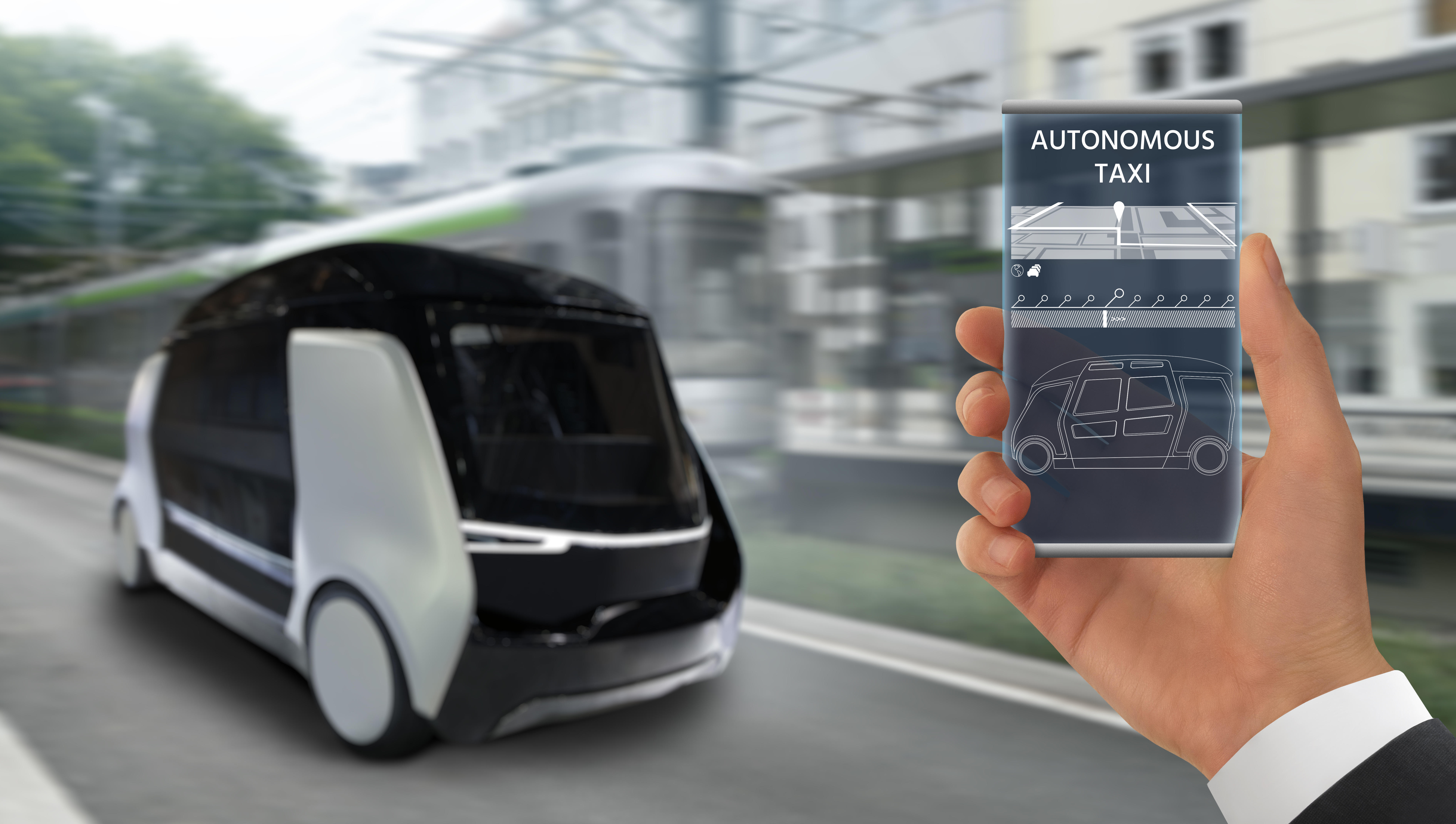
Once we overcome these challenges, we will see a vision of dramatically changing mobility services. With the full realization of autonomous driving, maximizing the value of time and space will become a part of everyday life.
Providing value beyond mere travel time
By turning commuting time into productive time, we can expect to improve work-life balance. It will also help secure private time, and provide a comfortable travel experience even on long-distance journeys.
Furthermore, it is expected that the inclusiveness of society as a whole will improve, as elderly people and people with physical disabilities will be able to live more independent lives.
As technological advances and social acceptance grow, autonomous driving will likely provide value beyond just being a means of transportation.
For example, if destination information could be provided directly to users of autonomous driving cars, it would be possible to support information access for people who do not have or cannot use smartphones. If entertainment information related to the destination, such as a map of filming locations in a movie or information about restaurants featured in a gourmet program, could be displayed in the moving space, which can tend to be boring, using video, audio, or electronic display boards, it is expected that the act of moving itself would be made worthwhile.
There is no doubt that these new services will become deeply rooted in everyday life.
autonomous driving Technology and the Outlook for Transportation Services
The evolution of autonomous driving technology will revolutionize the way we travel, the structure of cities, and our daily lives. It has the potential to fundamentally transform existing mobility services by eliminating traffic congestion and making better use of travel time. autonomous driving vehicles will also open up new possibilities for elderly and disabled people, helping them to move around more independently and freely.
We look forward to future developments, and by proactively exploring and utilizing the new value and services that autonomous driving technology will bring, we will be able to materialize a brighter future. We hope that you will take advantage of this wave of change as an opportunity and consider introducing autonomous driving.
Inquiry
the Company, Macnica, provides a variety of products and services related to autonomous driving. If you have any questions or requests regarding autonomous driving, please feel free to contact us below.
Related article

[autonomous driving Levels 3 and 4] What is the responsibility for accidents during autonomous driving and what can be done in advance?
Explaining the improved safety and economic benefits of introducing autonomous driving