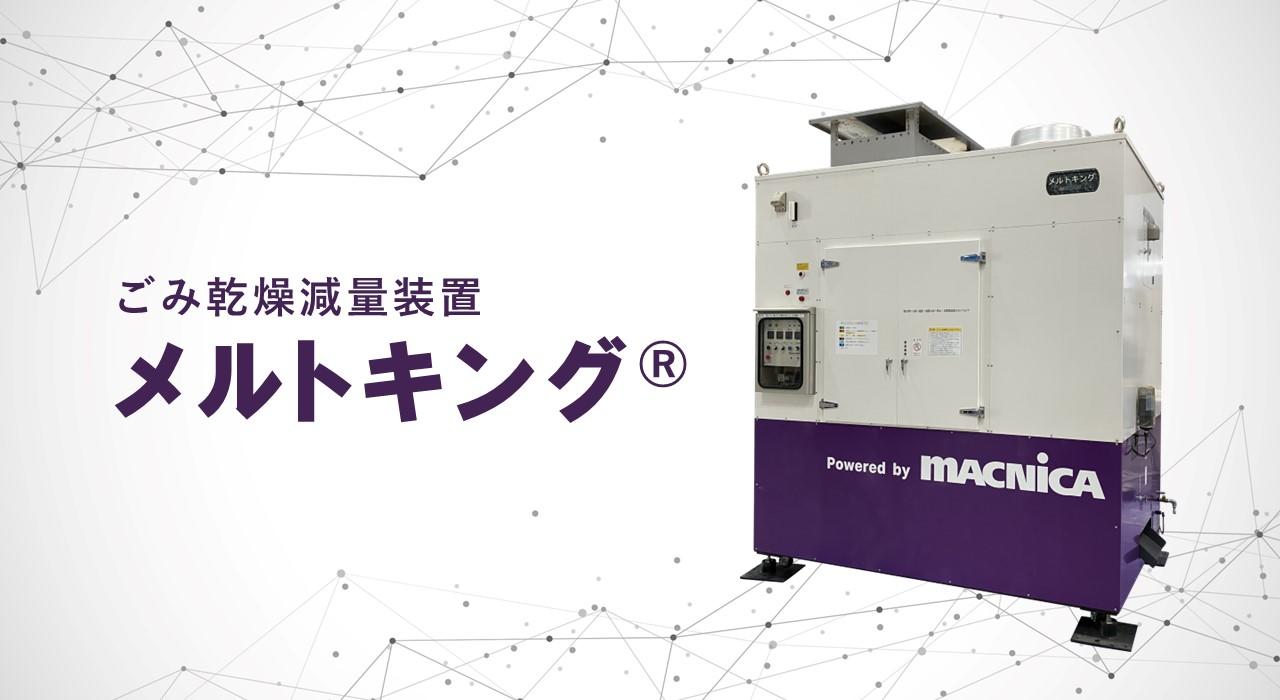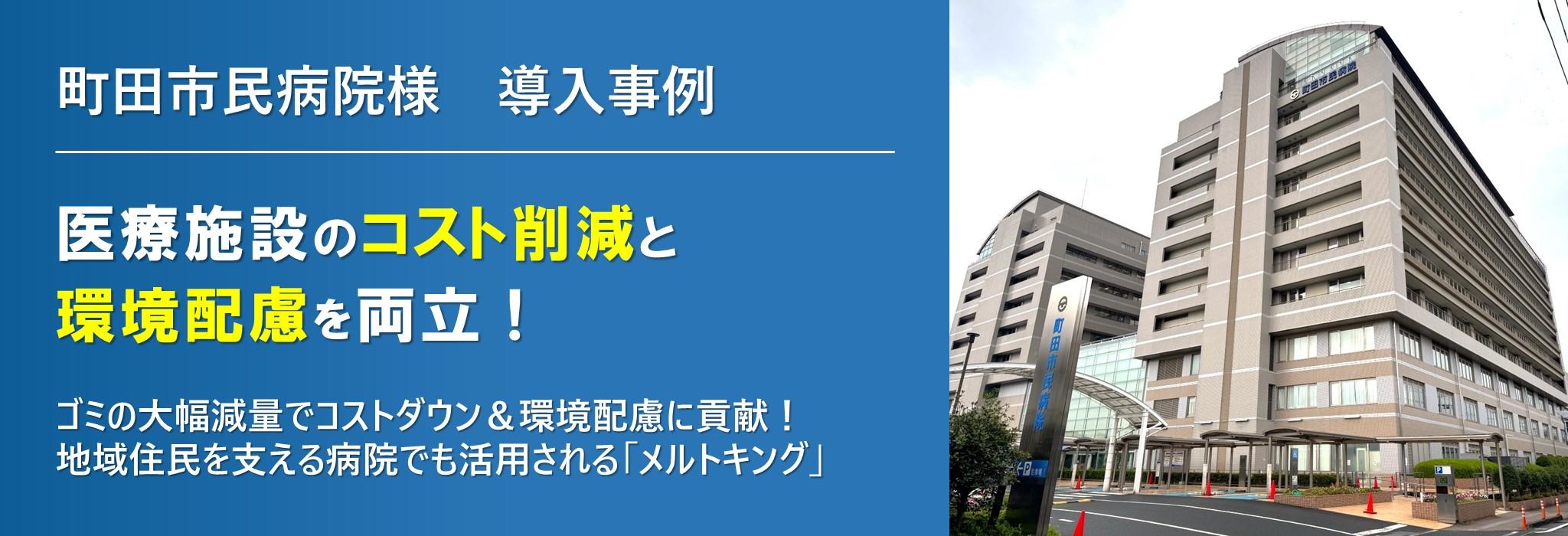
Significantly reducing waste contributes to cost reduction and environmental friendliness!
"Melt King" is also used in hospitals that support local residents
USER PROFILE
■Company information: Machida Municipal Hospital
■Business details:
Showa 33 Established in 2007, the hospital operates under the basic philosophy of being "a hospital that is needed, trusted, and satisfied by the local community," and provides medical care to local residents in a wide range of medical fields, including emergency care, team medical care/multi-disciplinary collaboration, palliative care, and cancer treatment. In addition to serving as a disaster base hospital, the hospital has established a medical collaboration office and is working to enhance hospital-clinic and hospital-hospital collaboration, including accepting referred patients and reverse referrals, in order to fulfill its role as a public core hospital in the region.
■Interviewee:
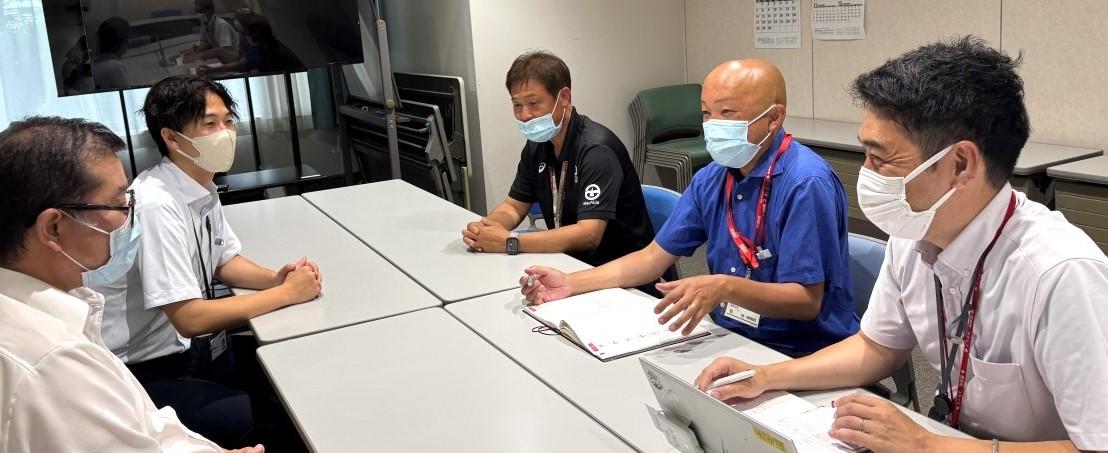
Machida Municipal Hospital Administrative Department, Facilities Supplies Division
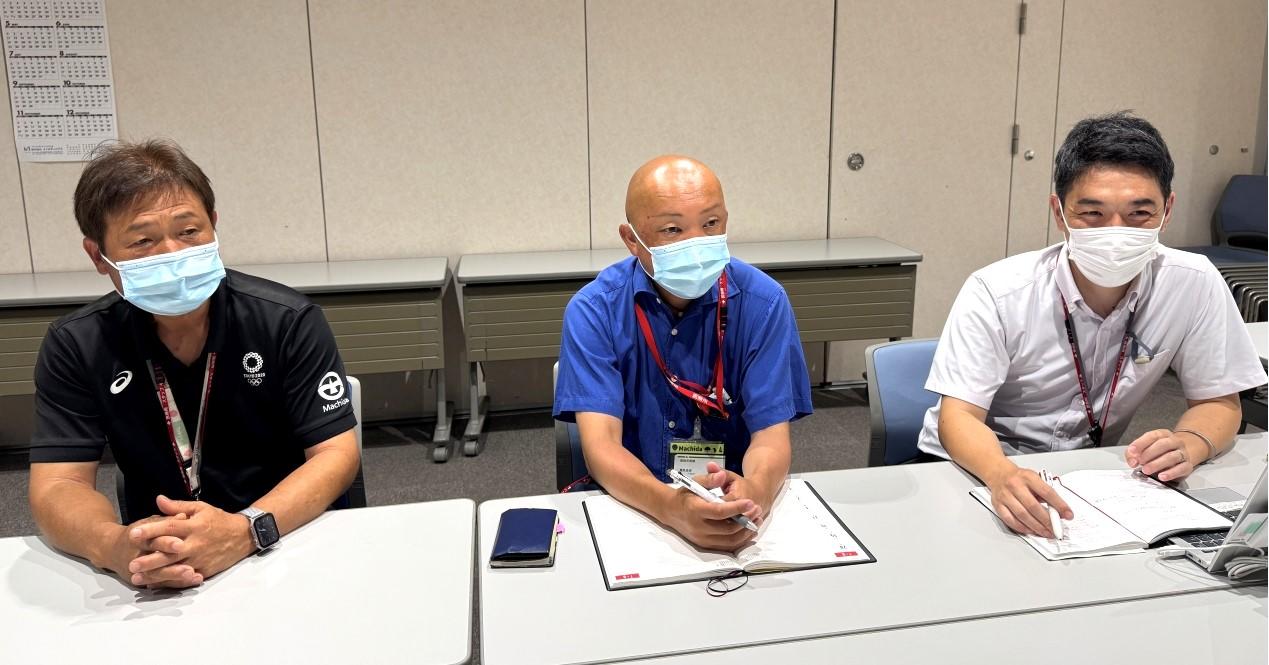
Section Manager Takatoshi Kawai (left in photo)
Kenji Kikuchi (center of photo)
Mr. Kosuke Haneda (right in the photo)
summary
|
Background and Issues |
Reduces waste disposal costs while contributing to the city's environmental action plan |
|
selection |
Even with trial calculations, clear effects were realized, leading to smooth implementation |
|
Current operation |
Waste generation has decreased significantly compared to the previous year |
|
from now on |
We want to use waste generated within the hospital as energy |
Background and Issues
Aiming to reduce expensive waste disposal costs while also being environmentally conscious
Mr. Haneda: I first encountered Macnica when I became interested in bioclean lighting at an energy conservation exhibition and heard about it.
Machida Municipal Hospital, which generates a large amount of waste, faced issues such as breakdowns in its food waste disposal equipment and rising maintenance costs. Furthermore, the cost of disposing of infectious waste generated by the hospital is about an order of magnitude higher than the general waste generated by an ordinary business. I wanted to find a way to reduce these high costs, so I approached Mr. Wakisaka (General Manager Macnica 's Circular Economy Business Division), who is proactively working on environmental issues, for advice.
Kawai: Machida City is working on the Fifth Environmental Action Plan, aiming to become a "Zero Carbon City Machida" by 2050, and the national government is working to promote these initiatives in local governments across the country. Macnica is strong in areas essential to this plan, such as reducing CO2 emissions, cutting paper consumption, and utilizing renewable energy, and sells a variety of cutting-edge products. I think one of the reasons Machida City Hospital selected Melt King was that it matched the initiatives required by the city and government.
selection
Reassuring explanations ensure smooth implementation
Mr. Haneda: At first, I thought there would be many hurdles to overcome when introducing it into the hospital. However, Mr. Wakisaka explained to us the sterilization process and how, once the waste is placed inside, there is no need for people to be nearby at all times, meaning that labor costs are not increased. We received a variety of questions from within the hospital, but he answered any and all of them promptly, so we were able to clearly understand the merits of Melt King, and the more he explained, the more we felt it met our needs. The trial balance showed that it was sufficiently cost-effective, and it was in line with the direction of the city's desired initiatives, so things went smoothly.
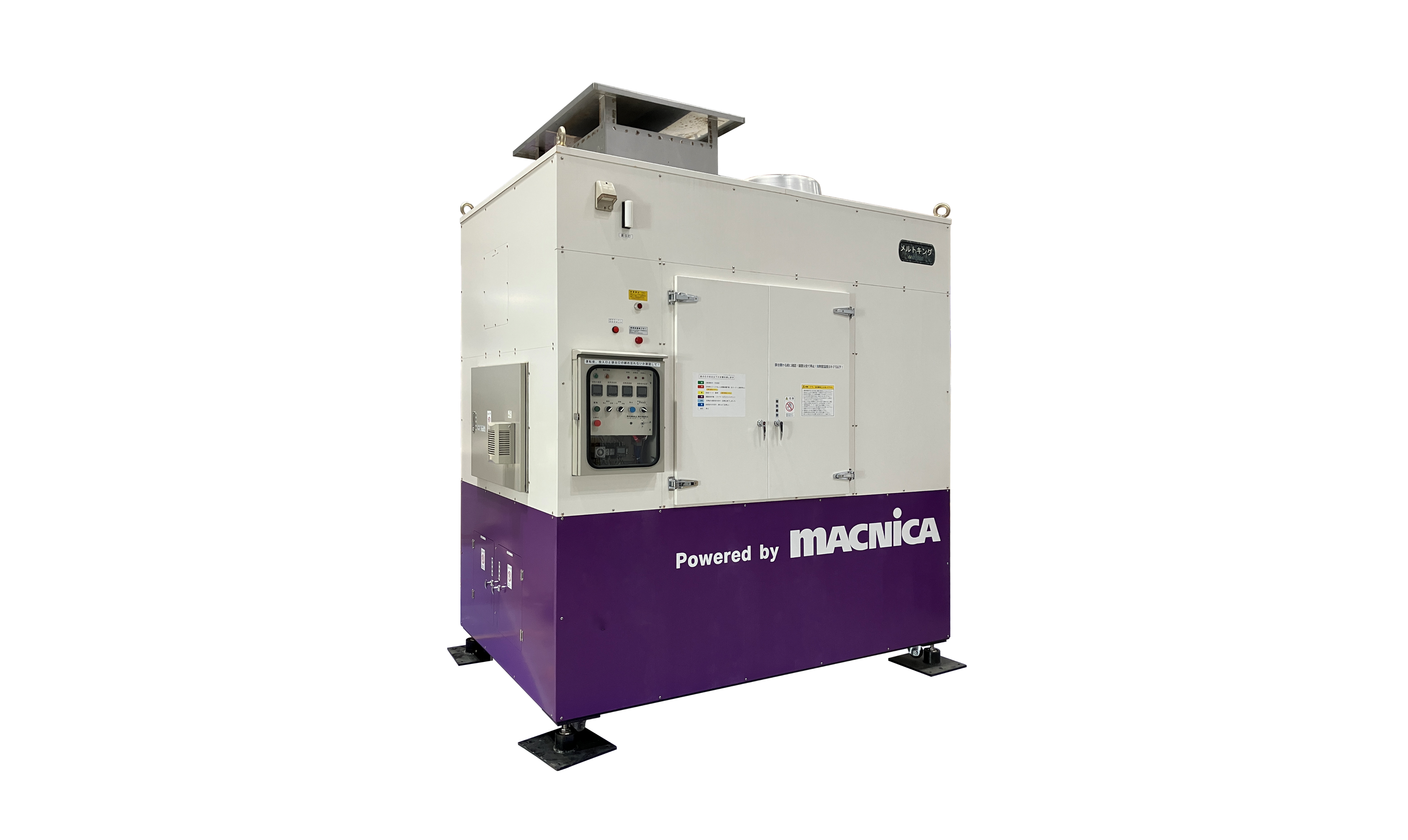
The Melt King was actually installed in February 2025, and adjustments were made to the weighing scales, etc., before trial operation began in April and May. We are currently preparing for full-scale operation on October 1st. The decision to introduce the machine was made because it can achieve two goals: cost reduction and environmental friendliness. Infectious waste treated with the Melt King can be disposed of as general waste after treatment, which allows for significant cost reductions. Furthermore, because it reduces waste, we thought it would also be possible to reduce CO2 emissions generated during transportation.
Mr. Kawai: Costs are a real issue, and it's said that 70 to 80 percent of hospitals across the country are operating at a loss. While it's true that some costs cannot be covered by simply reducing waste disposal costs, I think that Melt King, which allows hospitals to be environmentally conscious, is a great product that's in line with the times. It is said that the transportation industry is currently experiencing a labor shortage, but if the amount of garbage is reduced, there will be fewer opportunities to transport it, so there may be benefits in that respect as well.
Current operation
Significant reduction in cardboard waste, with support from cleaning staff
Mr. Haneda: Since introducing Melt King, the amount of 60-liter cardboard boxes we use for waste disposal has decreased by 200 to 250 boxes per month compared to 2024. The amount of waste generated fluctuates daily, and the weight of each box varies depending on the waste packed, but since we have a contract for a unit price per box at the time of collection, this has led to significant cost reductions.
At the waste disposal site, we have decided to ask the cleaning staff to put the waste into the Melt King and scoop out the waste after it has been processed. However, we have heard that by switching from packing the waste in cardboard boxes, which were previously difficult to transport, to using plastic bags, it has become easier to transport within the hospital. The cleaning staff understand our efforts, and are cooperating very positively, saying that it is "fun" and becoming even more motivated after seeing the significant reduction in waste.
from now on
Towards a hospital that can reuse energy
Mr. Haneda: In the future, I would like to use machines such as "Melt King" to create a system that allows the waste generated within the hospital to be recycled and reused as renewable energy. For example, we currently use gas as fuel, but if we could process waste into pellets and burn them to secure energy, and use that to run our hot and cold water generators and air conditioning, we might not need to purchase new energy. If we could manage our energy needs within the hospital in this way, I think we would be much closer to achieving the vision that Machida City is aiming for.
Kawai: That's a very ambitious idea. In fact, furnaces and other equipment use a lot of kerosene when they are started up, so in the future it would be great if public facilities in Machida City could also install Melt King and turn waste into fuel. Machida City Hospital would also like to work towards a recycling-oriented society.