- Semiconductor BusinessHOME
- Products and Services of Macnica,Inc.
-
technical information

-
Events and Seminars
- Handling Manufacturer
- Support
- Inquiry
- Click here to purchase products
- Semiconductor business e-mail magazine registration


 Narrow down by specifying conditions
現在2247件がヒットしています。check
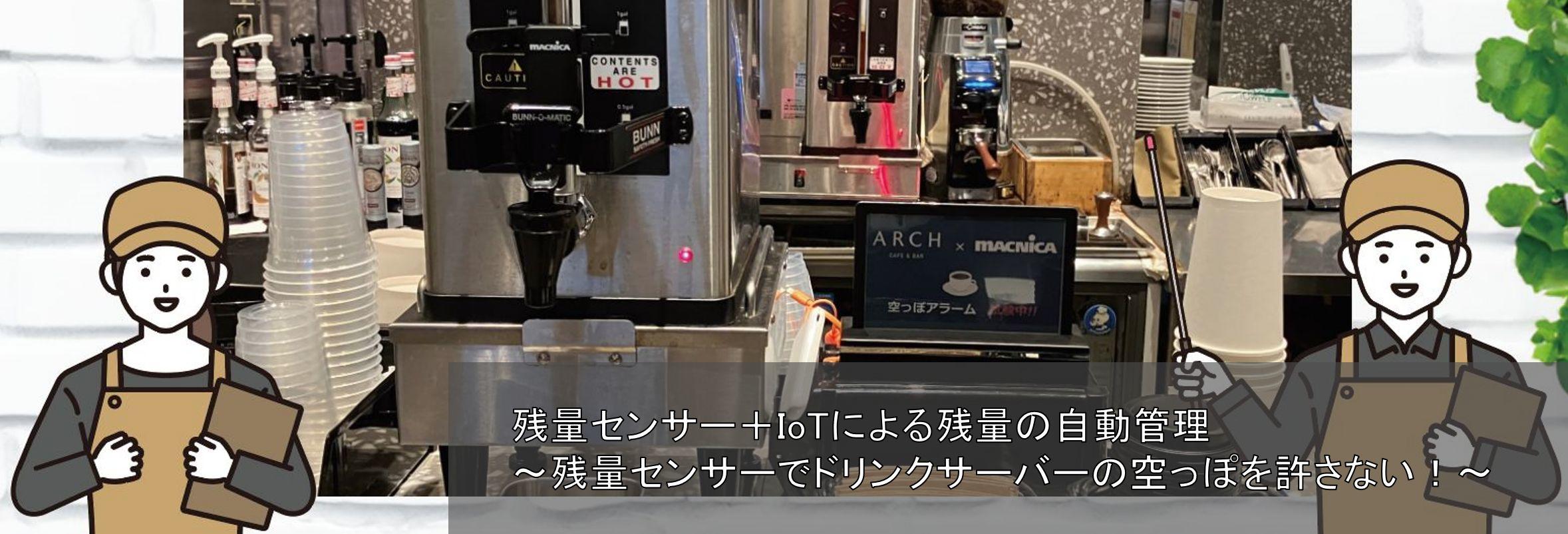
"You will be notified when the remaining amount gets low." Are you looking for an easy-to-use system?
As part of our series on automated inventory and remaining quantity management, last time we tried inventory management using weight sensors. We received a very positive response, so this time we will introduce our challenge to inventory management by measuring the remaining quantity of liquids!
In many food and beverage businesses, such as family restaurants and karaoke establishments, the number of cases where customers are provided with self-service food and beverages is increasing in order to increase efficiency, and efficient inventory management of the food and beverages provided is required. This is because it is necessary to maximize profits while meeting customer expectations with a small number of staff by providing drinks and other items in optimal amounts and at the optimal timing.
However, in reality, there are many cases where drinks and other items cannot be replenished at the appropriate time, resulting in a decline in customer satisfaction.
To address these issues, Macnica has developed a prototype "remaining drink sensor" that can automatically manage drinks and ensure efficient replenishment. Functions such as low drink notification can be demonstrated in physical stores. By utilizing IoT technology in this way, the retail industry can achieve more efficient store operations and customer experiences, and maintain a competitive edge.
Inventory management using IoT remaining quantity sensors
Inventory management using remaining quantity sensors is a system that uses IoT devices to measure the remaining quantity in tanks and containers in real time, automatically detecting and notifying when replenishment is required. By shifting from the conventional "periodic patrol check (TBM)" to "replenishment only when necessary (CBM)" based on sensor data, it offers the following benefits:
- Labor saving: Eliminates the need for visual inspection and optimizes personnel allocation.
- Preventing opportunity loss: Preventing operational downtime and reduced customer satisfaction due to out-of-stock items.
- Data utilization: Consumption trends can be visualized and applied to improving ordering accuracy and predictive management.
Challenge: Limitations of routine maintenance and the need for IoT
Drink servers in family restaurants and karaoke shops, and coffee/water servers in cafes, operate by refilling the remaining amount at the appropriate time so that customers can pour themselves a drink at any time.
In many stores, replenishing stock is done by checking the remaining stock at regular intervals. This method is also called TBM (Time Based Maintenance). If the check cycle is longer, the operational burden is reduced, but customers cannot be served the beverage they need, resulting in a decrease in customer satisfaction. However, if the check cycle is shortened, the operational burden increases, which places a burden on employees in the midst of a labor shortage.
Inventory levels change depending on external factors such as weather, surrounding events, and business partner operations, so it is extremely difficult to replenish inventory at an optimal cycle. In Japan, which has entered an era of population decline, labor shortages are an issue in all industries. Utilizing digital technology, AI, and IoT technology is effective in maximizing profits with limited manpower and without imposing a burden on the workforce.
Comparison of Traditional Management (TBM) and IoT Management (CBM)
One approach to solving the issues with TBM is Condition Based Maintenance (CBM). This is a method of diagnosing the condition of equipment and determining the appropriate timing for maintenance. Advances in IoT devices such as sensors and cameras, as well as computing, have made it possible to achieve CBM without the burden on humans.
Macnica has developed a prototype "remaining amount sensor" to realize CBM for inventory and remaining amount management in restaurants, etc. This is a solution that supports the optimization of store operations, consisting of a sensor that measures the amount of remaining liquid and a device that displays an alarm when the amount falls below a certain threshold.
We have compiled a comparison of traditional and new methods, which is important when considering the introduction of AI and IoT.
| feature | Scheduled Maintenance (TBM) | Condition maintenance (CBM) with IoT |
| Management method | Time/duration based (e.g., patrol three times a day) | Status-based (e.g., notification when remaining at 20%) |
| Refill timing | Even if there is stock, it will be replenished or there will be shortages | Just in Time |
| Human Cost | Expensive (requires patrol and inspection man-hours) | Low (only supports notifications) |
| risk | Unable to respond to sudden fluctuations in demand, resulting in "stockouts" | Prevent stockouts by setting thresholds |
| Introduction of technology | Manual and visual inspection | Remaining amount sensor, IoT communication, alert system |
Case study
Macnica heard from a cafe at ARCH Toranomon Hills in Toranomon that they were having trouble with refilling and maintaining their coffee servers, and developed a remaining amount sensor solution to solve the issue.
About ARCH Toranomon Hills
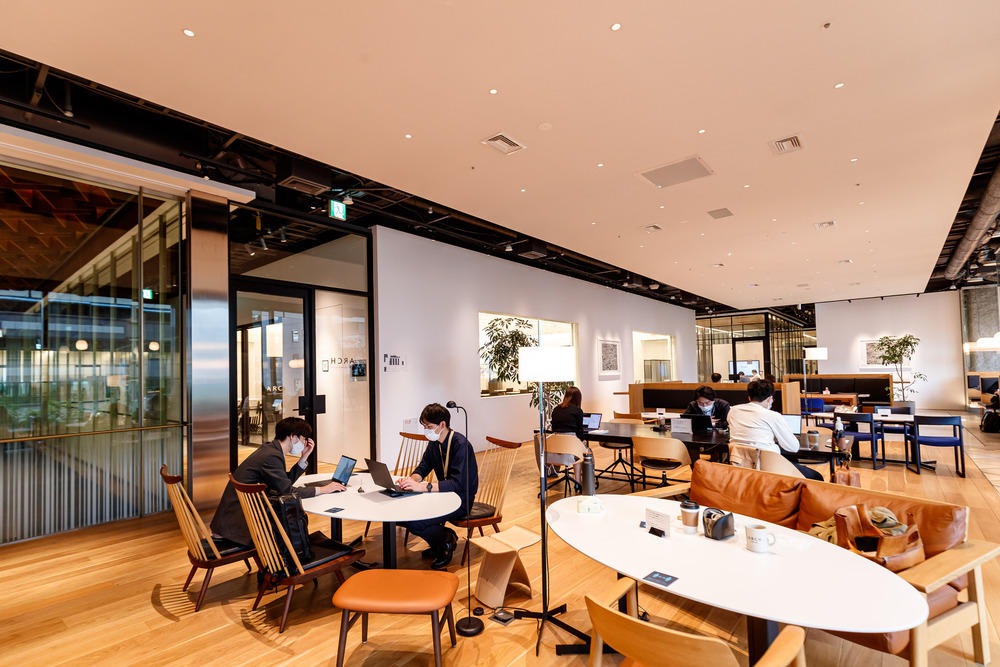
ARCH Toranomon Hills is the world's first incubation center designed specifically for organizations whose mission is to reform large companies' businesses and create new businesses. We focus on the possibilities and challenges that are unique to large companies with abundant resources and networks, and support business creation from both the hard and soft aspects.
What is ARCH CAFE & BAR?
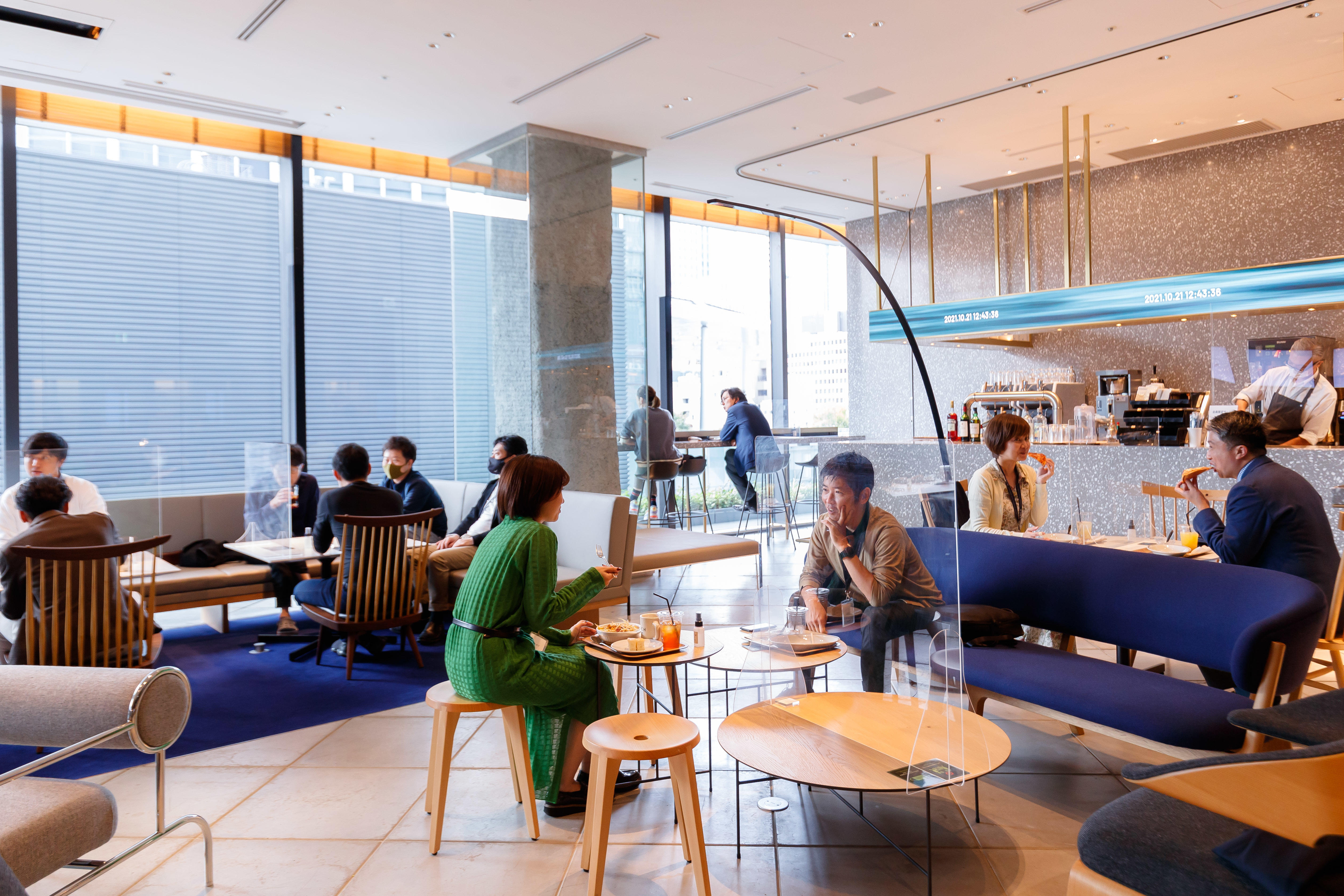
ARCH CAFE & BAR is an open-air all-day cafe and dining establishment.
Our sophisticated and comfortable space offers a wide range of uses, from our proud daily lunch specials that satisfy the appetites of our members, to breakfast, coffee and sweets to take a break from work, and even a glass of authentic craft beer after work.
You can also rent out this space for private parties and events.
The cafe had the following problems:
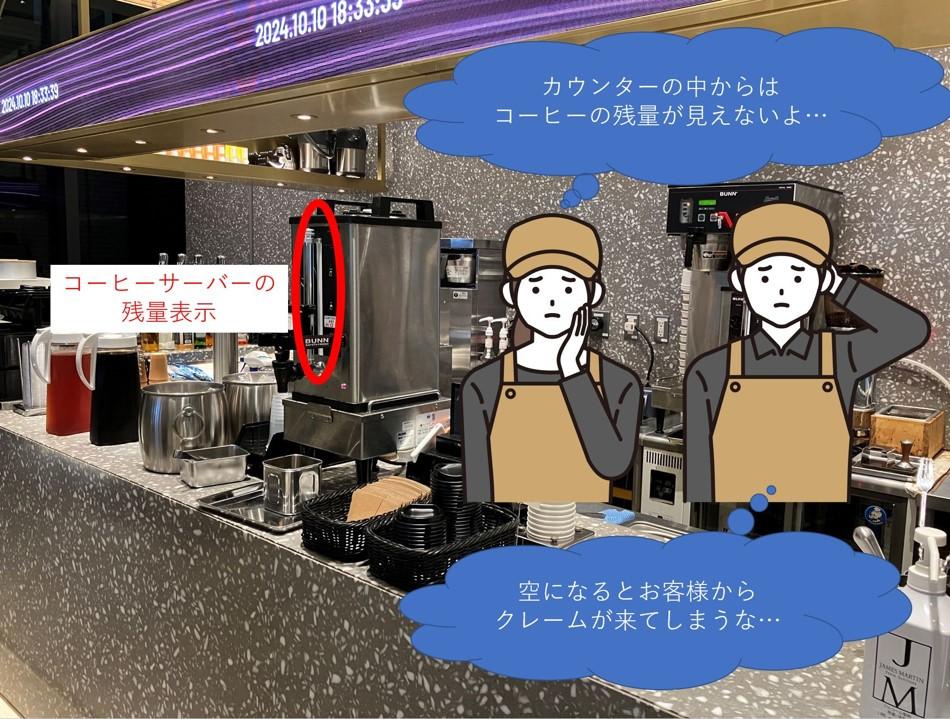
The cafe faced the following challenges in managing the self-service coffee servers (approximately 3L capacity) used by customers:
- Poor visibility: The remaining amount cannot be seen from the kitchen counter, making it difficult to visually check.
- Opportunity loss: In many cases, customers only notice that the container is empty when they point it out.
- Work load: Stocks needed to be replenished about six times a day, but the timing was difficult to predict, which placed a psychological burden on staff.
After introducing Macnica 's remaining battery level sensor solution
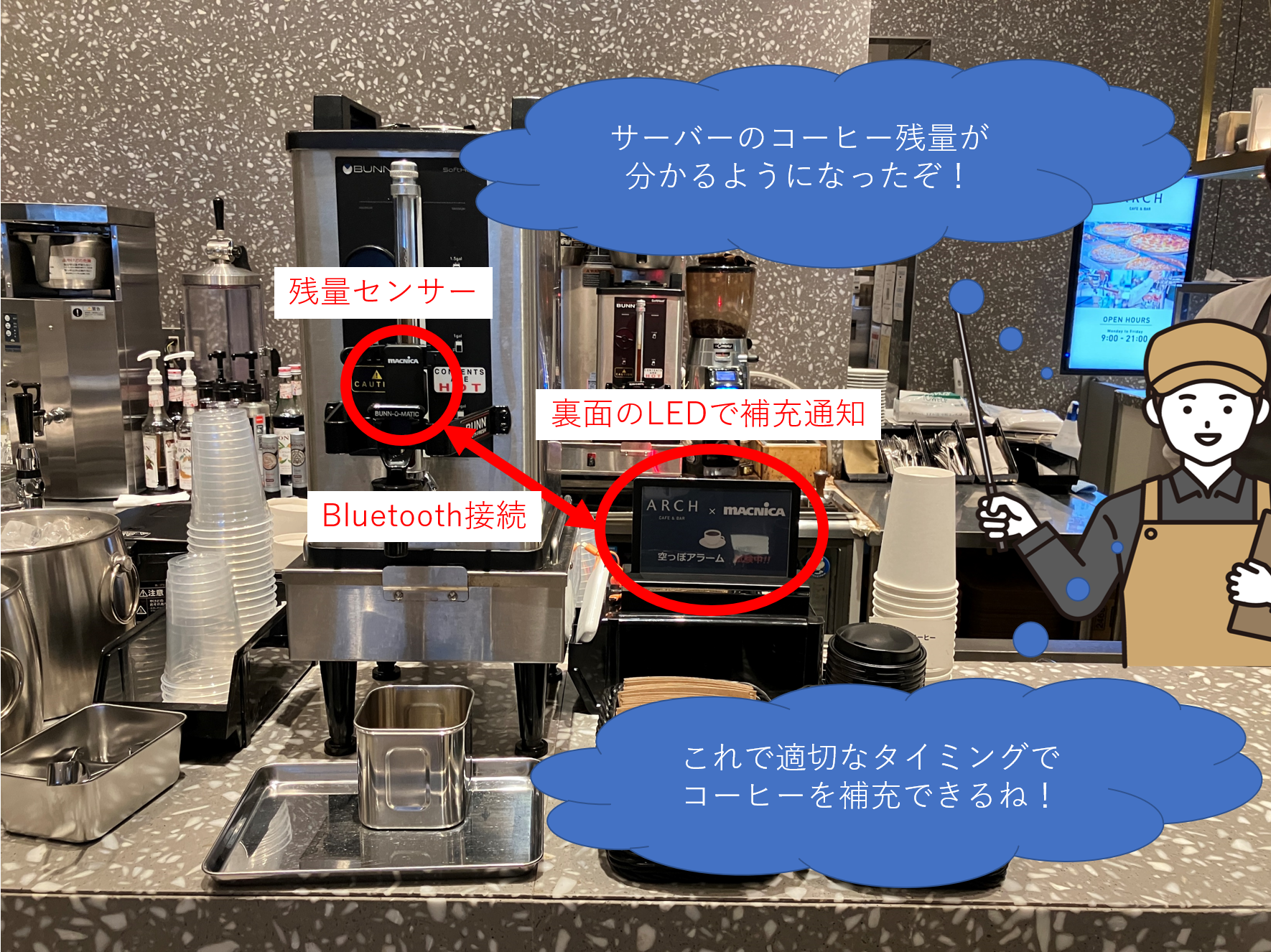
To address this issue, we implemented an IoT solution with the following features:
- Non-contact/contact sensor: Measures the remaining liquid level physically or optically.
- Threshold judgment logic: The trigger is activated the moment the remaining amount falls below a certain value (e.g., 2 cups remaining).
- Notification device: An LED installed in a location that is easily visible to staff lights up to notify them when it is time to replenish.
The key point is that we didn't develop a new sensor, but rather combined readily available standard components. We didn't modify any existing servers, and there was no equipment replacement or rewiring required. Whether or not it can be retrofitted is the biggest deciding factor in whether or not to implement it. This eliminates the need to wait for equipment upgrades, and if it doesn't work, it can be removed, significantly lowering the barrier to trying it out.
Actual Case Studies & Customer Testimonials
We spoke with Takashima, who works at ARCH CAFE & BAR.
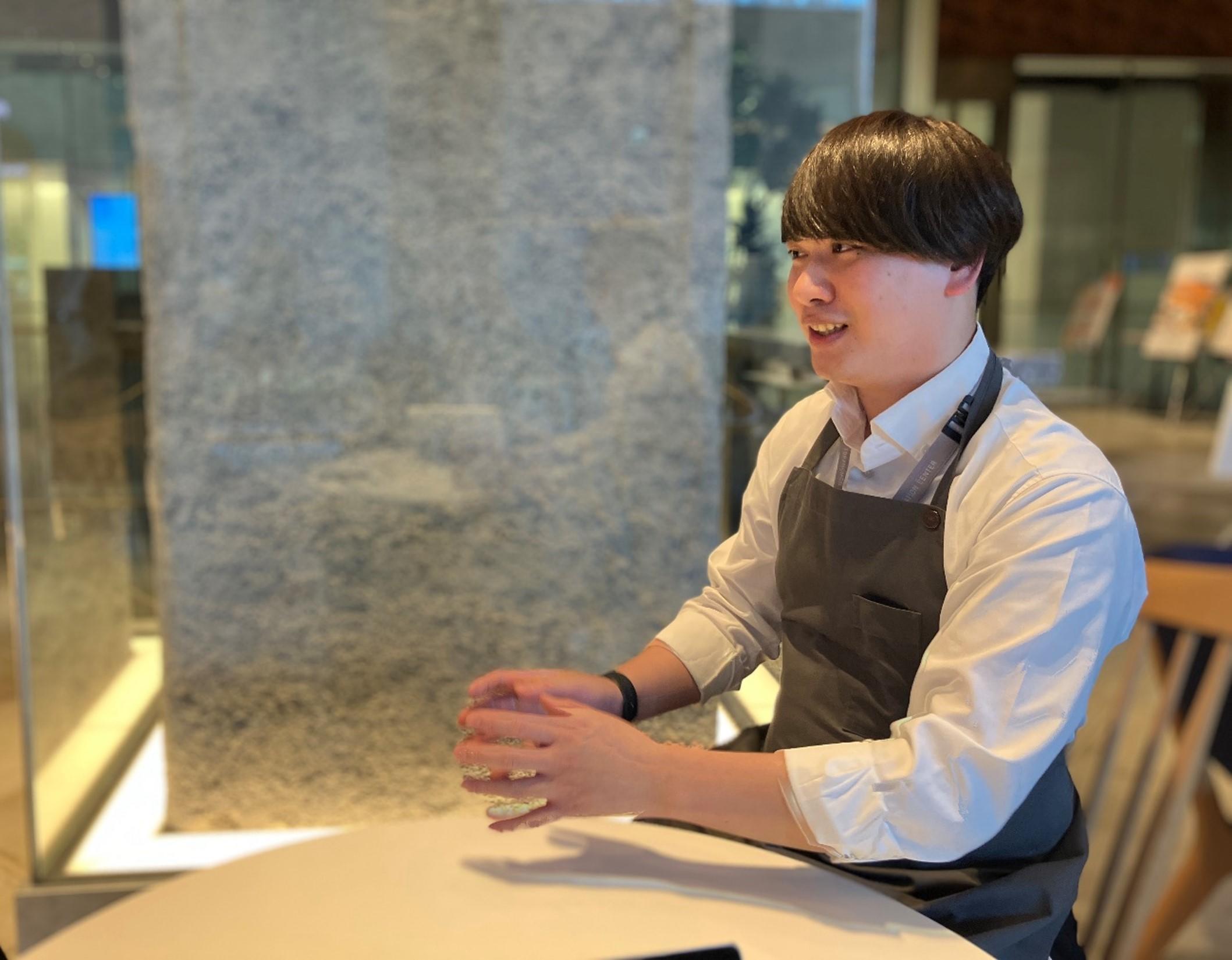
Q1: What kind of problems did you have in the past?
"At this cafe, we serve coffee to ARCH facility members in a self-serve style using a coffee server. The coffee server tank has a capacity of approximately 3 liters, and it needs to be refilled about six times a day. However, the coffee level indicator is not visible from the kitchen counter where the staff are, so we couldn't replace the tank before it was empty. We had to repeatedly ask customers who noticed the tank was empty to let us know so we could replace it. When the tank was empty, we couldn't immediately serve coffee to customers, which sometimes caused inconvenience."
Q2: What was your experience like after implementing Macnica 's battery level sensor?
"Now, when the tank is low, a refill notification LED lights up visible from the kitchen counter. Since installing the low-level sensor, we can always refill the coffee before the tank runs empty. We also appreciate that we can control when the refill notification LED lights up by adjusting the mounting height of the sensor. The biggest benefit is that we can now serve coffee to our customers without making them wait."
Q3: Were there any unexpected aspects?
Many members of ARCH Toranomon Hills are looking for new business ideas from everyday inconveniences, so we've had many opportunities to be approached with comments like, "I didn't realize you were having trouble with this," or simply, "What is this? Is it useful?" This was an unexpected bonus. Someone who was interested in the installed battery level sensor approached us, and that led to more casual conversations than ever before.
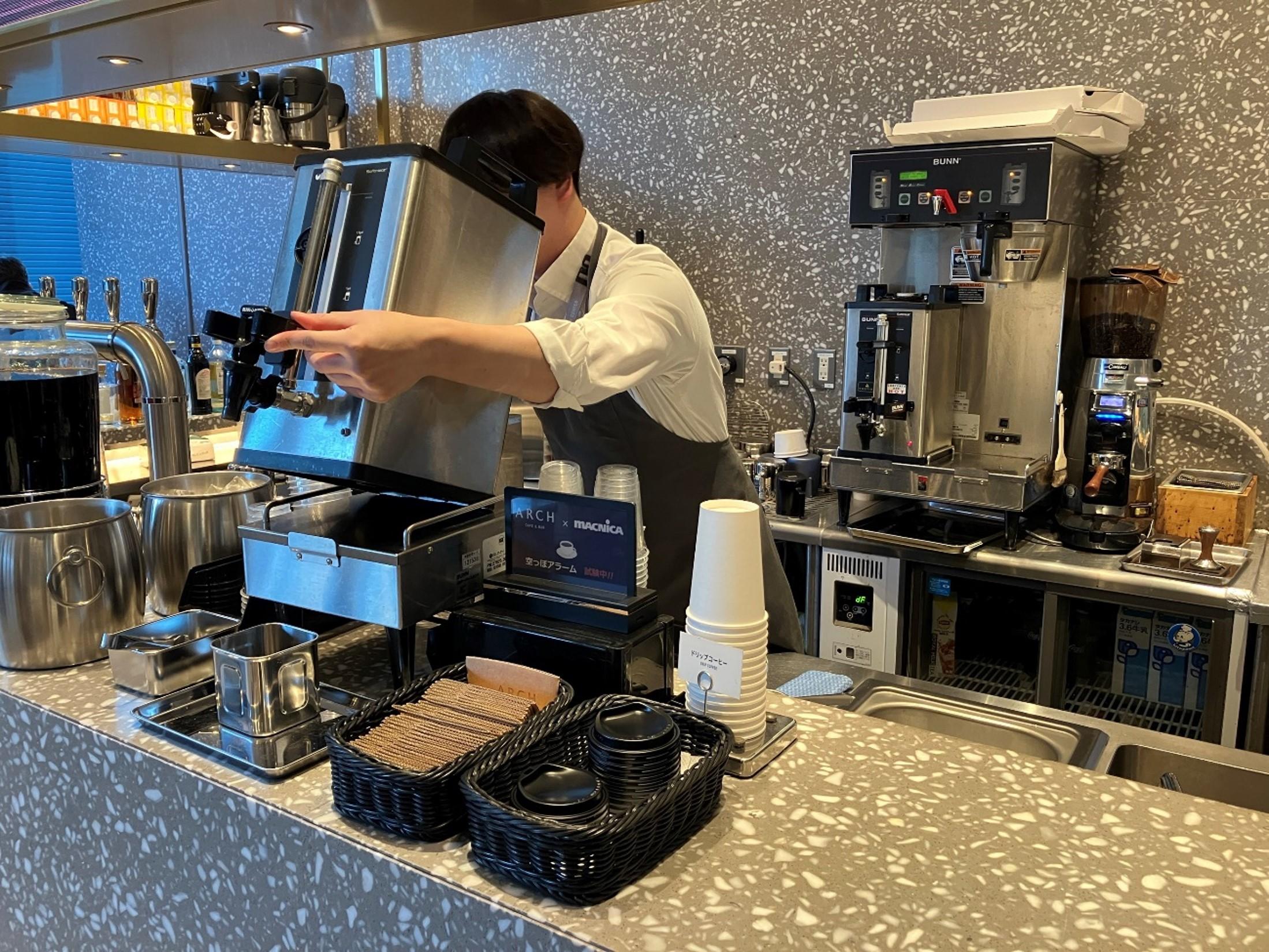
*Replacing the tank of a coffee server
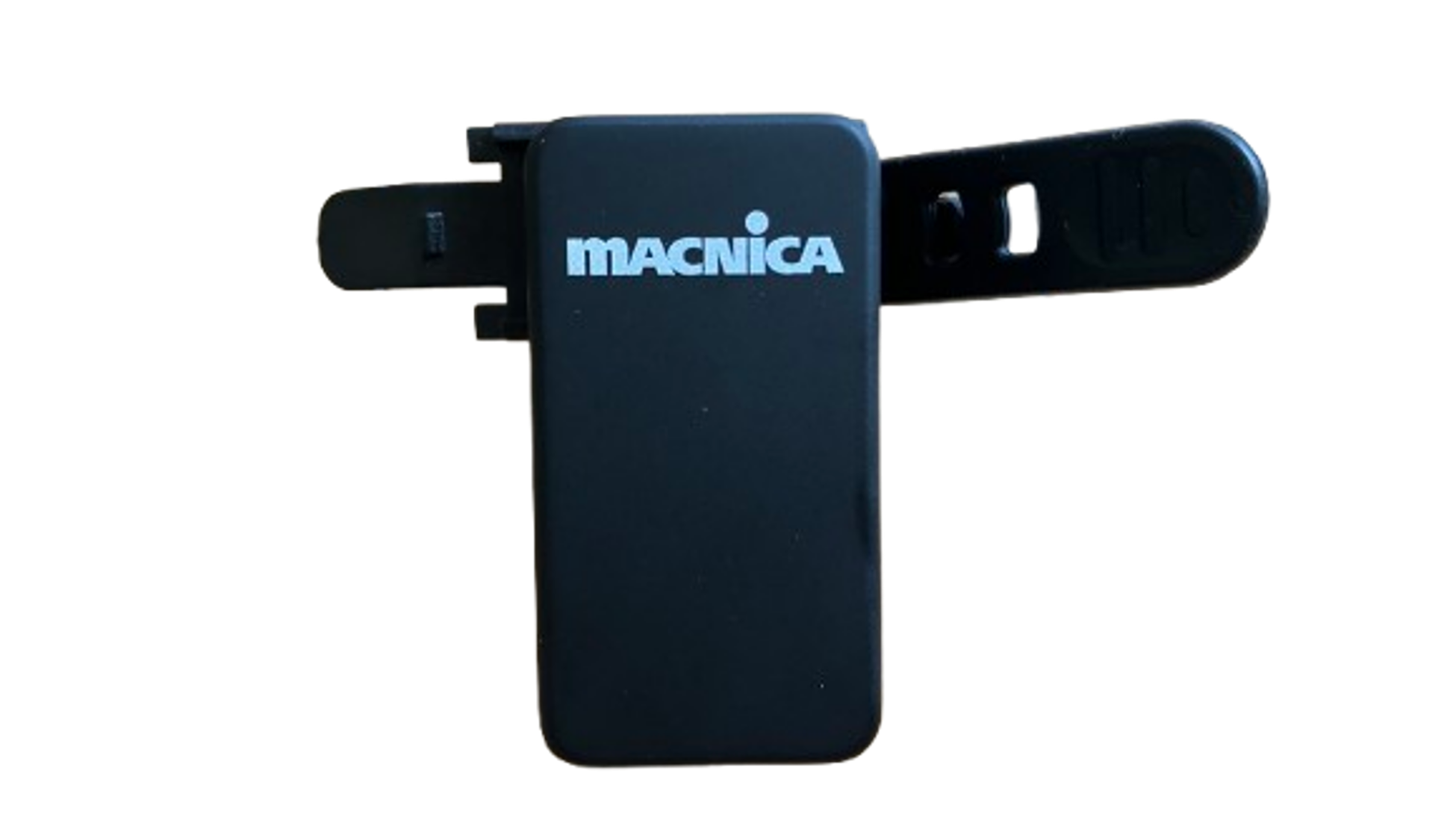
*Image of remaining amount sensor alone
Things I learned after starting operations
Now, let's talk about what happens after installation. Even if you choose the right system, whether it will last depends on other factors. Here are four points that weren't mentioned in the catalog, but became apparent after putting it into operation.
1. Thresholds are not something you "decide at the beginning and then forget about."
Initially, we lowered the sensor height too much. As a result, it continued to register "there's still coffee" until there was almost no coffee left in the tank. Since the sensor's installation height directly determines the notification threshold, it can be freely adjusted on-site. Designing it with the assumption that it could be adjusted later to suit operational needs was more practical than calculating a perfect threshold beforehand. In fact, this is the point that Mr. Takashima mentioned as something he found convenient.
2. Using only one sensor will result in gaps in detection.
We received a request from the field that "a two-sensor system is desirable, and we want to eliminate any gaps." As long as the system determines presence or absence at a single point, nothing will be known from the moment the sensor passes that point until the next piece of information arrives. Do you want to see the remaining amount as a continuous quantity, or is it sufficient to know at just one point that it's "almost" full? This needs to be decided early in the design process. For the former, ultrasonic or gravimetric sensors are suitable, while for the latter, optical or capacitive sensors are appropriate.
3. The value of a notification changes depending on "who it reaches."
Because the system is staffed with one person in the dining area and one in the kitchen, there was a request to expand the notification area so that staff members in the back who are on break could also see it. The visibility range of LEDs is physically limited. If the number of staff and their positions change, the way notifications are delivered also needs to change. Other options include flashing warning lights, displaying information on PCs and tablets, and chat notifications to smartphones (Slack/Teams, etc.), allowing you to choose a notification method that suits the site. In other projects, there was a request for a system where the remaining amount of fuel could be monitored remotely from the control room and notifications sent via chat.
4. Increased battery replacement will offset the benefits of the system.
This actually happened in another project. When we considered a system to detect the remaining amount of supplies, we opted for a configuration that used a button battery for wireless transmission. However, due to the high frequency of use, battery replacement maintenance became necessary, and it almost resulted in the opposite effect: "the convenience increased, but maintenance costs also increased." That's why, in the prototype coffee server, we designed it to sleep except for one transmission per minute, and to last about a year on a single button battery. When automating remaining supply management, battery life and the effort required for installation are more important factors in determining whether it will be sustainable than the accuracy of the sensor.
Frequently Asked Questions (FAQ)
Q1. What types of liquids are compatible?
A. In addition to liquids like water and coffee, we can propose the optimal detection method for various substances, such as highly viscous liquids, opaque liquids, powders, and chemicals, by selecting the appropriate sensor (optical, capacitive, ultrasonic, gravimetric, etc.). However, each method has its limitations, so we recommend testing with the actual liquid and container.
Q2. Can it detect transparent liquids?
A. Optical methods that utilize color differences are difficult. In another case study, transparent liquids could not be identified using color-based methods. Possible methods for transparent liquids include gravimetric methods (measuring the weight of the container), capacitance methods (reading the difference in dielectric constant), and ultrasonic methods.
Q3. Can it be added to existing equipment?
A. Yes, it is possible. Macnica 's prototypes and solutions are designed to be retrofitted to existing tanks and servers. In the case of ARCH CAFE & BAR, a sensor was simply attached to the coffee server's level gauge with a silicone band; no modifications were made to the equipment itself. IoT can be implemented without large-scale equipment upgrades.
Q4. How long does the battery last? Will it increase the hassle of changing batteries?
A. This varies greatly depending on the transmission interval design. In our prototype coffee server, we transmit only once per minute and put it into sleep mode the rest of the time, allowing it to operate for about a year on a single CR2032 button battery. Conversely, increasing the transmission frequency increases the frequency of battery replacement, which negates the benefits of labor savings. We strongly recommend designing the system to include the number of units to be installed and the effort required for battery replacement.
Q5. Are there any notification methods other than LED?
A. Yes. Depending on the on-site operation, it can be integrated with a variety of interfaces, such as flashing warning lights, displaying information on PCs and tablets, sending chat notifications to smartphones (Slack/Teams, etc.), and centralized management on the cloud for multiple locations. The best approach is to choose based on "who you want to be notified and where."
Application example proposal
The technology used in this demonstration experiment can be applied not only to the food and beverage industry, but also to various "remaining quantity management and inventory management" in the B2B manufacturing industry.
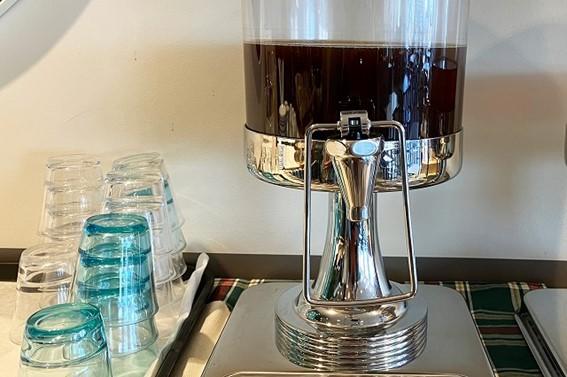
Managing remaining drink amounts in karaoke and family restaurant drinks servers

Managing remaining reagents in research facilities
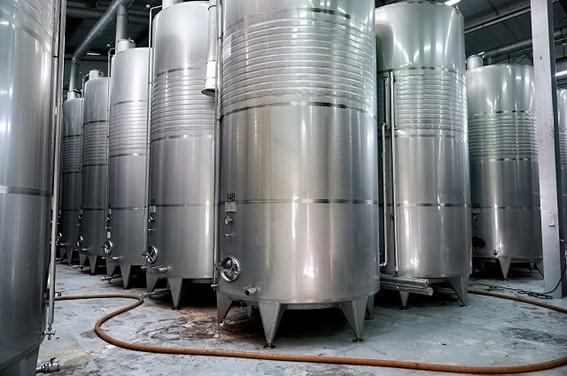
Tank level management at beverage manufacturers
Macnica utilizes cutting-edge sensors and AI technology to create solutions that solve problems in a wide range of industries. If you are interested in solutions such as the application of remaining amount sensors and automatic remaining amount management using IoT, please contact us.
Manufacturing consulting service
Macnica is not just a trading company; we specialize in developing solutions that solve on-site issues by combining cutting-edge sensor technology with AI and IoT.
Even if you find that "off-the-shelf products don't fit" or "there are site-specific constraints," we will provide support from prototype development to mass production considerations. If you are considering automating inventory management with remaining quantity sensors or introducing IoT, please feel free to contact us.
Introducing other examples of DX for stores
![Automatic management of inventory and remaining amount using weight sensor + IoT [for retail stores and restaurants]](/business/semiconductor/articles/Mono_Article_Cover_5.png)
As an example, Mpression, Macnica 's original technology brand, has developed a prototype of an "AI smart shelf" that uses a weight sensor to check inventory and remaining quantities. We have released a video, so please take a look.
Automatic management of inventory and remaining amount using weight sensor + IoT [for retail stores and restaurants]
Automatic inventory and remaining quantity management by weightWe made a coaster using this technology! When you're at a drinking party and your beer or drink is running low, it will flash to let you know, so you won't miss the chance to get a refill!
Improve your restaurant experience with refill coasters | Weight sensors can now detect remaining drink levels!