- Semiconductor BusinessHOME
- Products and Services of Macnica,Inc.
-
technical information

-
Events and Seminars
- Handling Manufacturer
- Support
- Inquiry
- Click here to purchase products
- Semiconductor business e-mail magazine registration


 Narrow down by specifying conditions
現在2236件がヒットしています。check

Introduction
Let's use LTspice - In the introductory section, we gave an overview of LTspice and introduced its simple functions.
In this article, I will explain how to start LTspice and the basic operation method while designing a simple circuit.
If you are just starting LTspice, we recommend that you look at the "basics" from the list below.
Let's use LTspice series list is here
Also, if you would like to see a video on how to write a basic circuit and how to execute it, there is an on-demand seminar that does not require you to enter personal information, so please take a look if you are interested. Detailed information about the seminar is also provided to those who fill in the questionnaire.
LTspice On-Demand Seminar - Function check with RC circuit -
Overview
An RC snubber circuit is often used as a countermeasure when ringing occurs when switching ON/OFF in a power supply circuit.
Using a buck converter circuit using LTspice as a subject, we will verify the procedure and effects of snubber circuit constants.
Verification circuit
The LTC7803 from Analog Devices is used as an example and verified using the circuit in Figure 1.
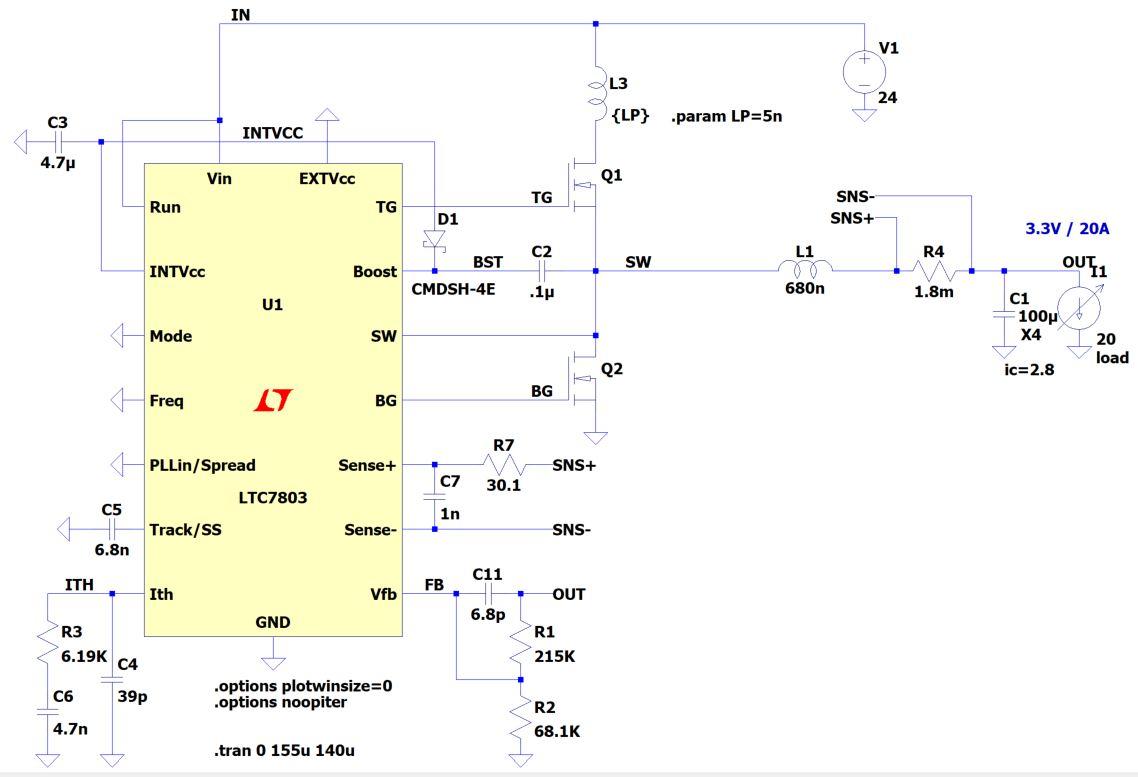
Figure 1: Verification circuit
Input Voltage: 24V
Output voltage: 3.3V
Output current: 20A
SW frequency: 375kHz
Procedure for examining snubber circuit constants
The following method is used to examine the constants of the snubber circuit
1. Check the waveform and find the ringing frequency (f)
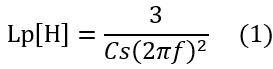
2. Snubber capacitance that adds only capacitance to half the ringing frequency Cs To investigate the
Snubber capacitance Cs is the parasitic capacitance that produces the ringing 3 will double
3. Find the parasitic inductance from equation (1) using the snubber capacitance Cs
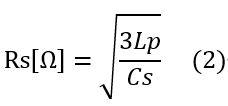
4. Find the snubber resistance Rs from equation (2)
Step 1: Confirm the waveform and find the ringing frequency (f)
Using LTspice, check the waveform of SW1 in the circuit in Figure 1 and check the ringing frequency.
The results are shown in Figure 2. The ringing frequency is about 61MHz.
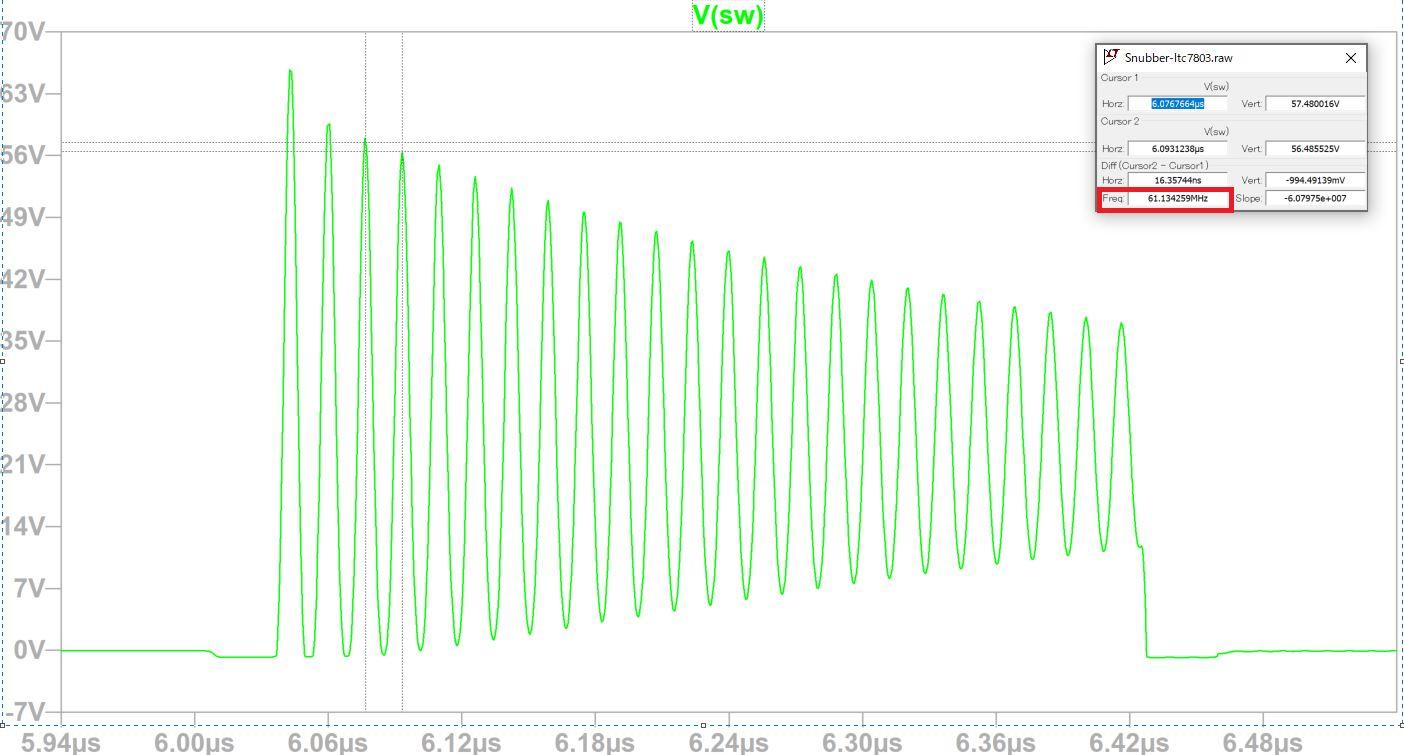
Figure 2: Confirmation of ringing frequency
Step 2: Investigate the snubber capacitance Cs that is half the ringing frequency by adding only capacitance
As shown in Figure 3, add a capacitor in parallel with Q2 and perform a simulation.
When simulating constants, you can use the ".step" command to change multiple constants step by step.
Please refer to this article for the ".step" command.
Let's use LTspice - Let's change parameters with ".step"
In this circuit, as shown in the waveform of Fig. 4, Cs = 3900pF resulted in almost half the ringing frequency.
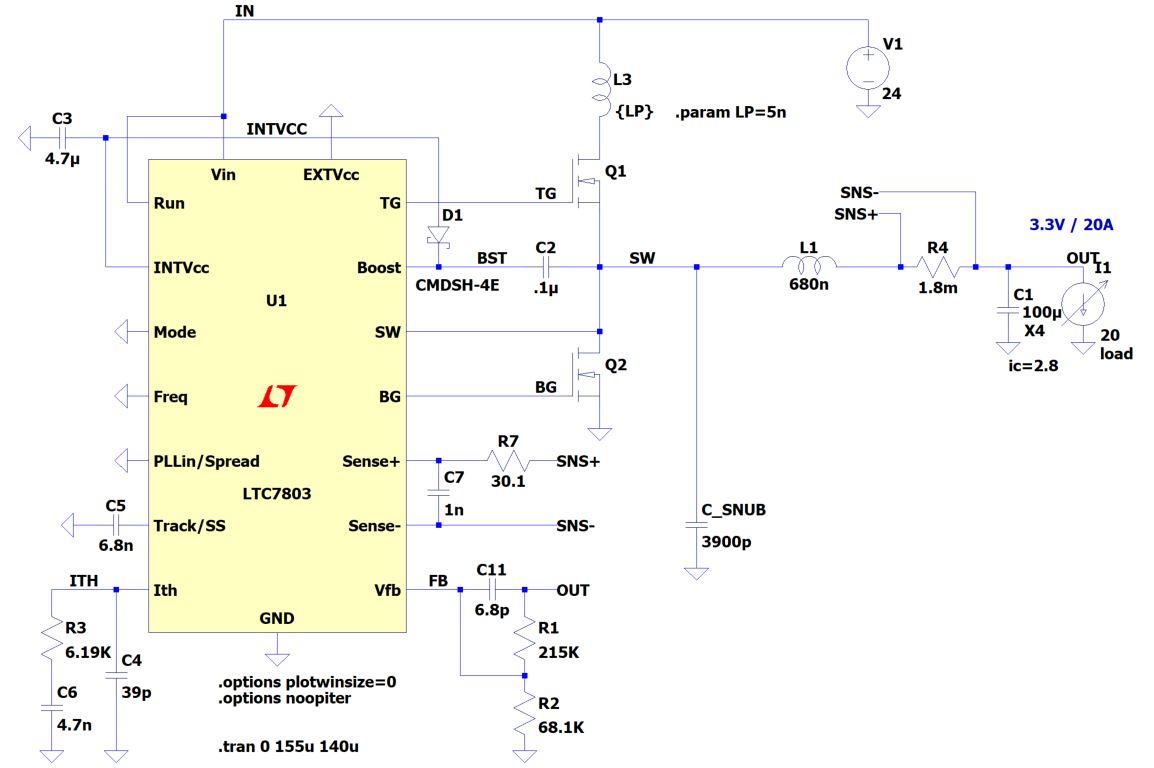
Figure 3: Snubber capacitance verification circuit
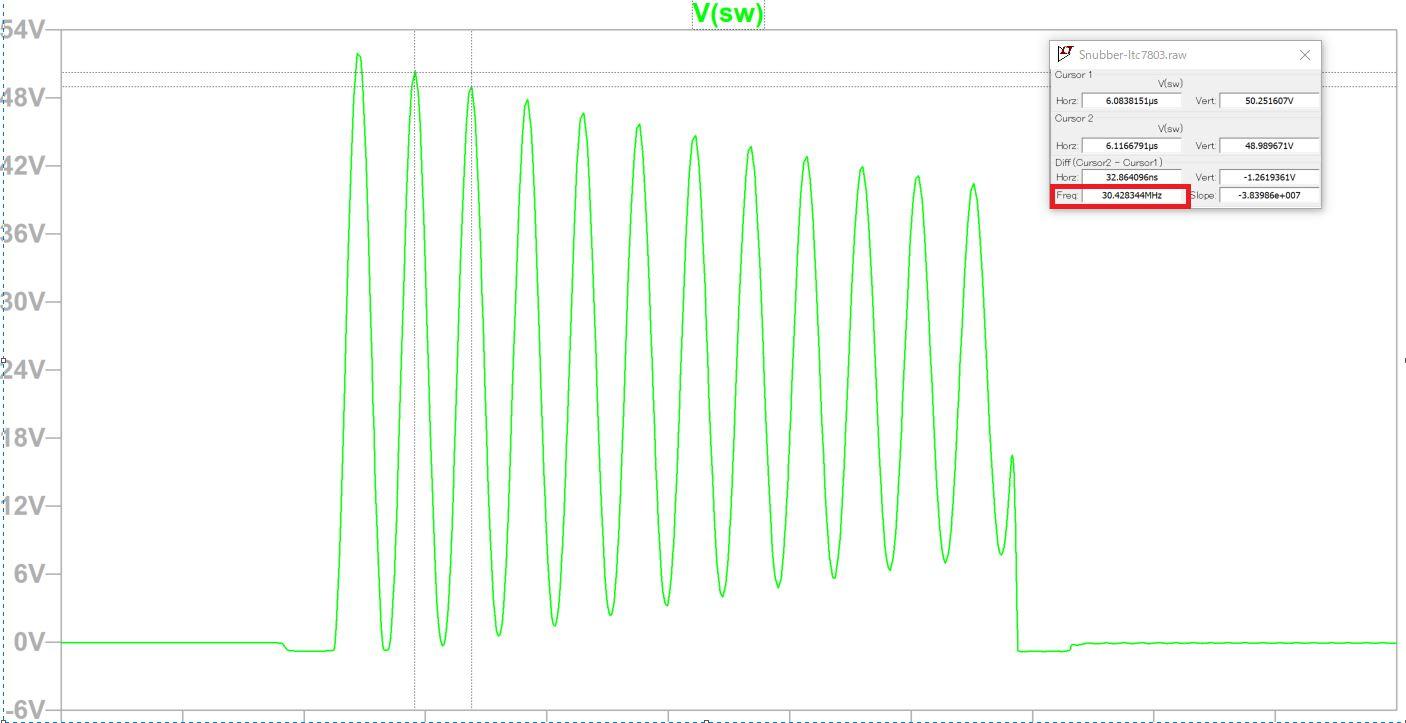
Figure 4: Simulation results for the circuit in Figure 3
Step 3: Find parasitic inductance Lp from equation (1) using snubber capacitance Cs
As a result of substituting each value into formula (1), the parasitic inductance Lp = 5.24nH.
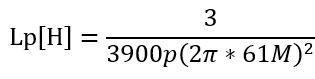
Step 4: Find snubber resistance Rs from equation (2)
Substituting each value into equation (1) results in snubber resistance Rs = 2 Ω.
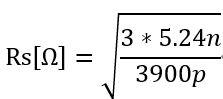
These procedures resulted in snubber constants of Rs=2Ω and Cs=3900pF.
Validation verification
Add a circuit with a snubber resistor Rs as shown in Fig. 5 and perform a simulation.
With this circuit, we were able to greatly reduce the ringing as shown in the waveform in Fig. 6, and we were able to obtain reasonable results.
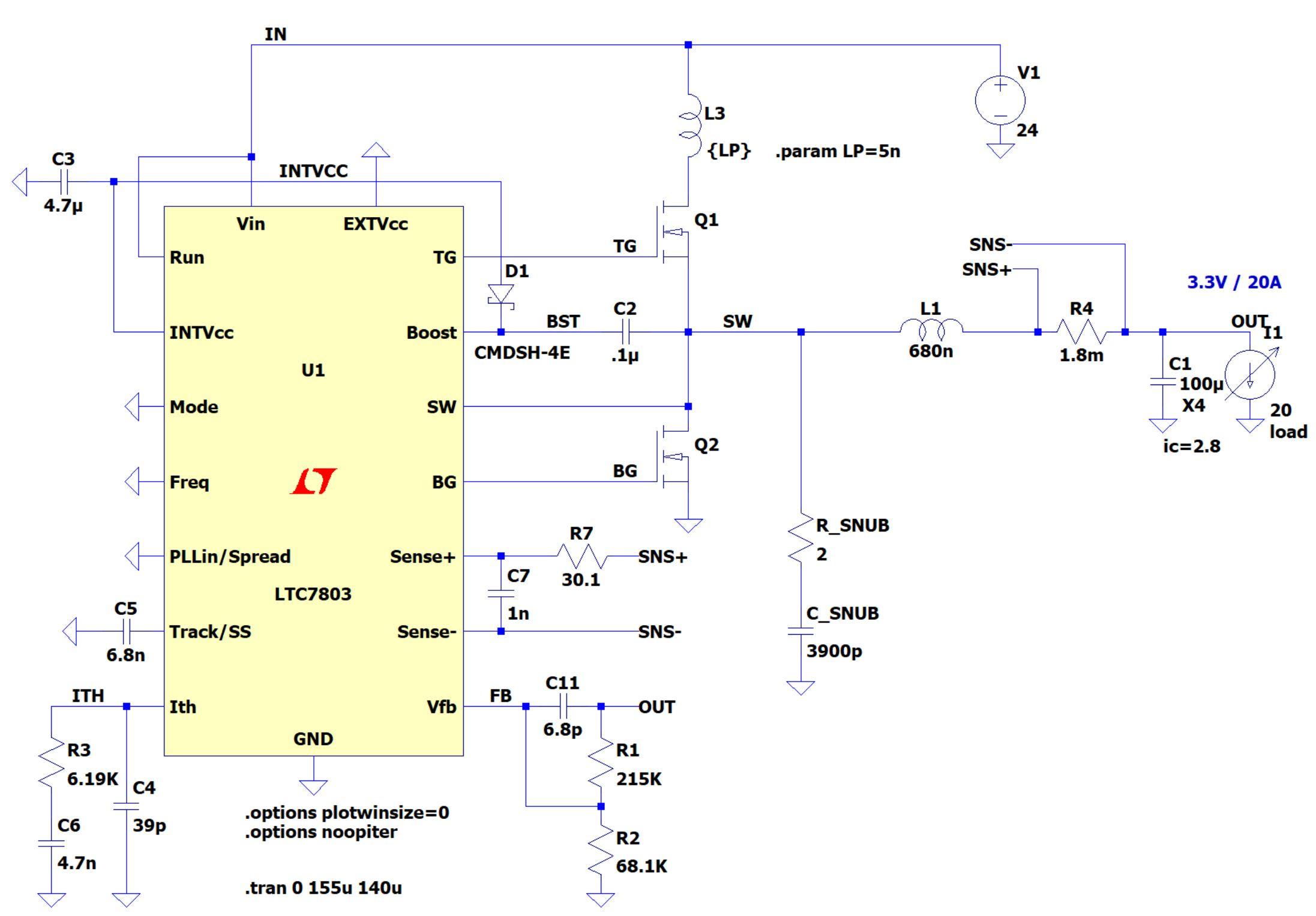
Figure 5: Snubber constant verification circuit
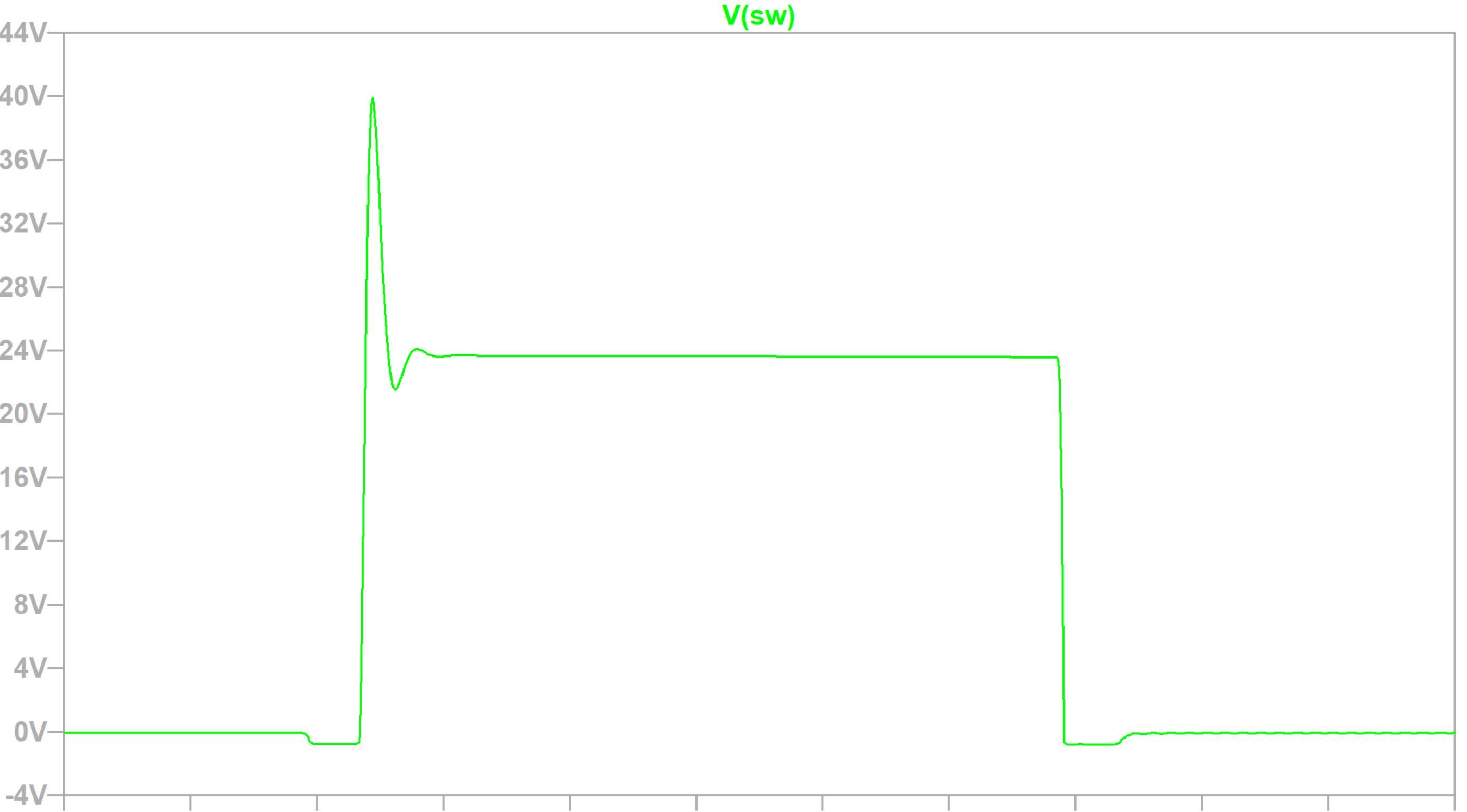
Figure 6: Simulation results for the circuit in Figure 5
Power consumption of snubber resistor Rs
After determining the constant, calculate the power consumption of the snubber resistor Rs from equation (3).

Substitute the obtained result into the formula (3).
Substituting each value into equation (3) results in Prs=0.84W.

In an actual circuit, the snubber resistor Rs is subject to overshoot / undershoot, so it is assumed that the power consumption will be larger than this calculation.
LTspice can also check the power consumption of each part, so in addition to equation (3), consider the simulation results and select a resistor that takes derating into consideration.
Click here for recommended articles/materials
List of articles: Let's use LTspice Series
LTspice FAQ: FAQ list
List of technical articles: technical articles
Manufacturer introduction page: Analog Devices, Inc.
Click here for recommended seminars/workshops
Inquiry
If you have any questions regarding this article, please contact us below.
Analog Devices Manufacturer Information Top
If you want to return to Analog Devices Manufacturer Information Top, please click the button below.