


CPS Solutions
The seeds of the business Solving the world's food problems
"Combining Skill and Knowledge"
OUTLINE
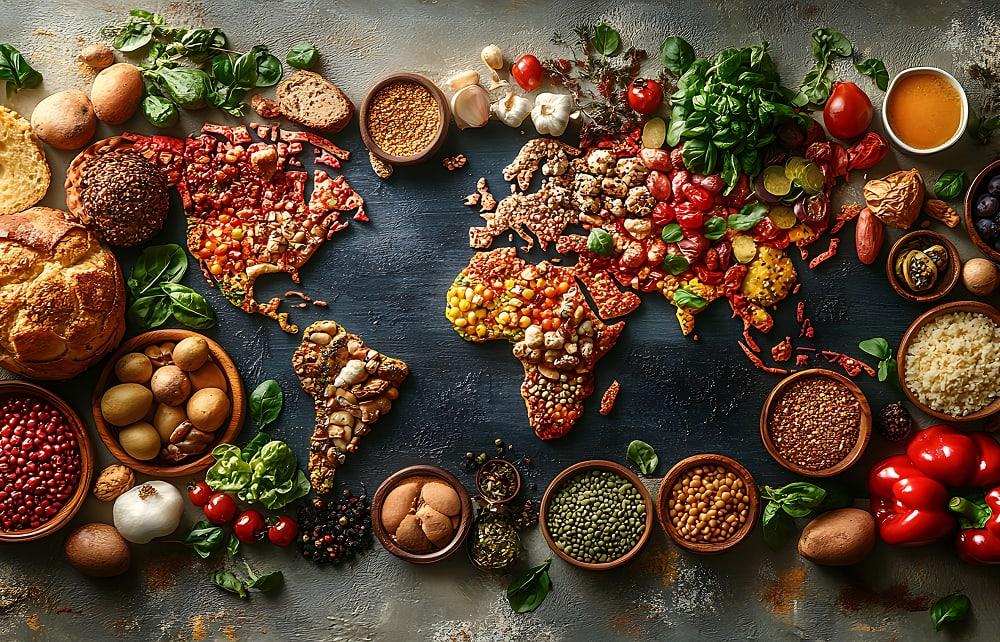
A combination of pandemics, economic shocks, conflict and climate change is creating unprecedented food crises around the world.
Macnica focused on Japanese agriculture, which boasts high technology and quality, and saw room for innovation in improving efficiency. They worked on a project in collaboration with NEXTAGE, a company that was trying to revolutionize plant production methods, and thoroughly explored the value they could provide.
As a result, NEXTAGE's cultivation know-how combined with Macnica 's technology to bring it to life led to an unprecedented breakthrough: in just two weeks, they developed a "growth data visualization system" that would enable high-quality mass production through more efficient cultivation management.
PROJECT MEMBER
-

Kannusamisundararaja
KapileshNew graduate hire
-

Sakura Hasegawa
New graduate hire
-

Shunsuke Kobayashi
Career hire
-

Kento Motomura
New graduate hire
POINT
-
Until the seeds are born
- An unprecedented global food crisis
- The need to popularize plant factories that enable efficient food production
-
Growing seeds
- Focusing on room for innovation in Japanese agriculture
- A joint project with "NEXTAGE," which focuses on the agritech business
-
Seed sprouts
- Development and implementation of a growth data visualization system
- Stable, high-quality cultivation is expected to be achieved
What started the project
A Fateful Encounter That Sympathizes with Each Other's Feelings
Macnica believed that "in order to solve the world's food problems, we need to popularize plant factories, which enable efficient food production," and that "in order to help people live healthy lives, the food produced in plant factories needs to be safe and delicious."
So Macnica turned its attention to the state of agriculture in Japan. Japan is one of the few countries with advanced technology in the agricultural sector. However, it became clear that Japan places too much emphasis on high quality, meaning that efficient production methods have not been established. Macnica saw this as an opportunity for innovation.
"If we could use Macnica 's technology to mass-produce high-quality, delicious food made with the knowledge and know-how of Japanese farmers efficiently and sustainably in plant factories, we could change the world." Macnica had this idea, and one day they came across a company called NEXTAGE.
NEXTAGE focuses on the agritech business, and in response to the current situation in which agricultural production is becoming more difficult due to the aging of agricultural workers and environmental issues, the company was trying to innovate production methods with the desire to "protect Japan's food culture."
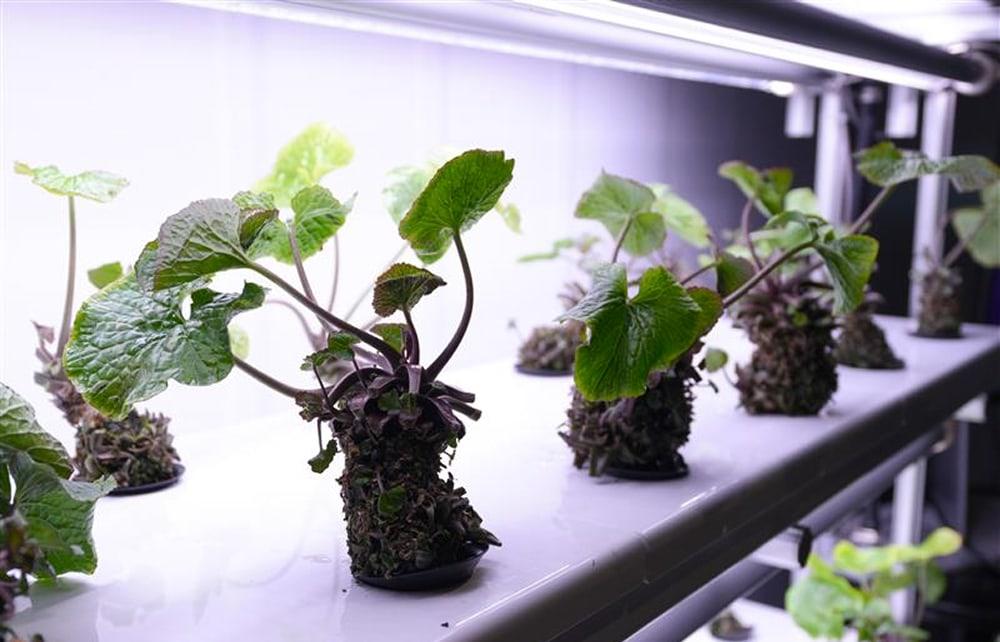
The two companies, who were destined to meet, shared a common vision and decided to work together on a project. If they could create solutions and business models that would enable the mass production of crops, whose cultivation conditions are difficult to control, such as water temperature, air temperature, and sunlight hours, it might become possible to mass-produce a variety of foods. And so Macnica began its challenge.
Project Challenges
Thoroughly Explore the Value That We Can Provide
The project was launched with ambitious goals, but soon hit a deadlock.
A new system would need to be built to enable anyone, anywhere to easily grow crops and deliver them around the world. However, at the beginning of the project, Macnica looked to NEXTAGE for an answer to the question, "What kind of system should this be?", and discussions about building the system did not progress.
"NEXTAGE is an expert in plant factories, but they were not experts in technology. It wasn't until midway through the project that they realized that in order to implement the technology, we needed to combine industry-specific knowledge with cutting-edge technology," says Kobayashi.
Having reaffirmed their mission, Macnica gathered all sorts of information to clarify "what value they could provide in this project" and "what kind of system they needed to create to achieve the desired goals." Even though Macnica is a technology professional, it is meaningless if the technology does not achieve the objectives.
Macnica absorbed a wide range of information about agricultural production by visiting production factories, tasting various varieties, and even interviewing universities and experts, and thoroughly explored the value they could provide through this project.


Project Results
Cutting-Edge Systems with Remarkable Speed
Macnica Through various activities, the "Mere Old Man" realized that in order to achieve mass production of crops, it would be important to quantify data on size, color appearance, etc., to make cultivation management more efficient, and to reduce the difficulty of cultivation. Here, however, they again hit a wall.
There were no appropriate sensors in the world to acquire various types of data. At first, overcoming this hurdle seemed difficult, but the data scientists at Macnica found a solution through extensive discussions and the sharing of wisdom.
We had some experience in developing AI to measure multiple objects of different shapes and sizes and with varying distances from the camera. So we thought that we could solve this problem by utilizing AI that we had already developed," Kapilesh said. Getting AI to read information about crops from image data acquired by a camera is not easy. Normally, even the slightest difference in the shape or size of the crops in the camera image would be undetectable to AI, and it would not be able to acquire the data properly.
However, the development experience of Macnica made this possible. Using the "floor dirt detection AI," which can recognize objects of different shapes as one object, and the "automatic golf ball detection AI," which can detect objects of different distances from the camera by quantifying their size, the company was able to develop and implement a system to acquire information on the size and color of farm produce in half a month. The company was able to develop and implement a system to acquire information on the size and color of crops in half a month.
Thus, the growth data visualization system jointly developed by NEXTAGE and Macnica will soon be available to the public. If this system is adopted by many farmers, anyone will be able to efficiently create cultivation plans (recipes) for their crops and realize stable, high-quality cultivation.

Project Outlook
Bringing Ideas to Life with Technology
What made it possible to move forward with this difficult project, which no one had ever accomplished before? The answer was the combination of Macnica 's AI expertise and NEXTAGE's specialized knowledge of plant cultivation.
NEXTAGE was absolutely confident in its know-how for growing delicious crops, but lacked the technology to put it into practice. By combining this with Macnica 's technology, they were able to achieve an unprecedented breakthrough and meet NEXTAGE's aspirations.
"Like NEXTAGE, there are many companies and people who have the passion and ideas to somehow change society and improve the lives of each and every person. We believe it is our mission to continue to give concrete form to the aspirations of such people and implement them in society," says Motomura.
This project is a major step toward Macnica 's goal. Based on the new business model, technology, and know-how created through this project, Macnica will also contribute to solving other food issues. All of this is aimed at realizing sustainable, healthy lifestyles for people around the world. Macnica 's challenge is not over.

