- Smart City/Mobility Business HOME
- Search by use case
-
Search by product/service

- event·
seminar -
Case studies and columns
- Inquiry
Efforts toward the social implementation of autonomous driving are moving forward at a rapid pace through collaboration between the public and private sectors, including the formulation of the "Mobility Roadmap 2024" by the Digital Agency and the establishment of a Mobility Working Group.
In particular, the number of local governments conducting demonstration experiments on autonomous driving buses is increasing year by year due to their ease of use and high efficiency. In addition, the number of cases where they are actually put into practical use in specific areas is gradually increasing.
This article provides an easy-to-understand explanation of the benefits of autonomous driving buses, which are being actively adopted as a new means of transportation, and how they are currently operating. Please read this if you are a local government or company considering introducing autonomous driving buses.
What is autonomous driving bus?

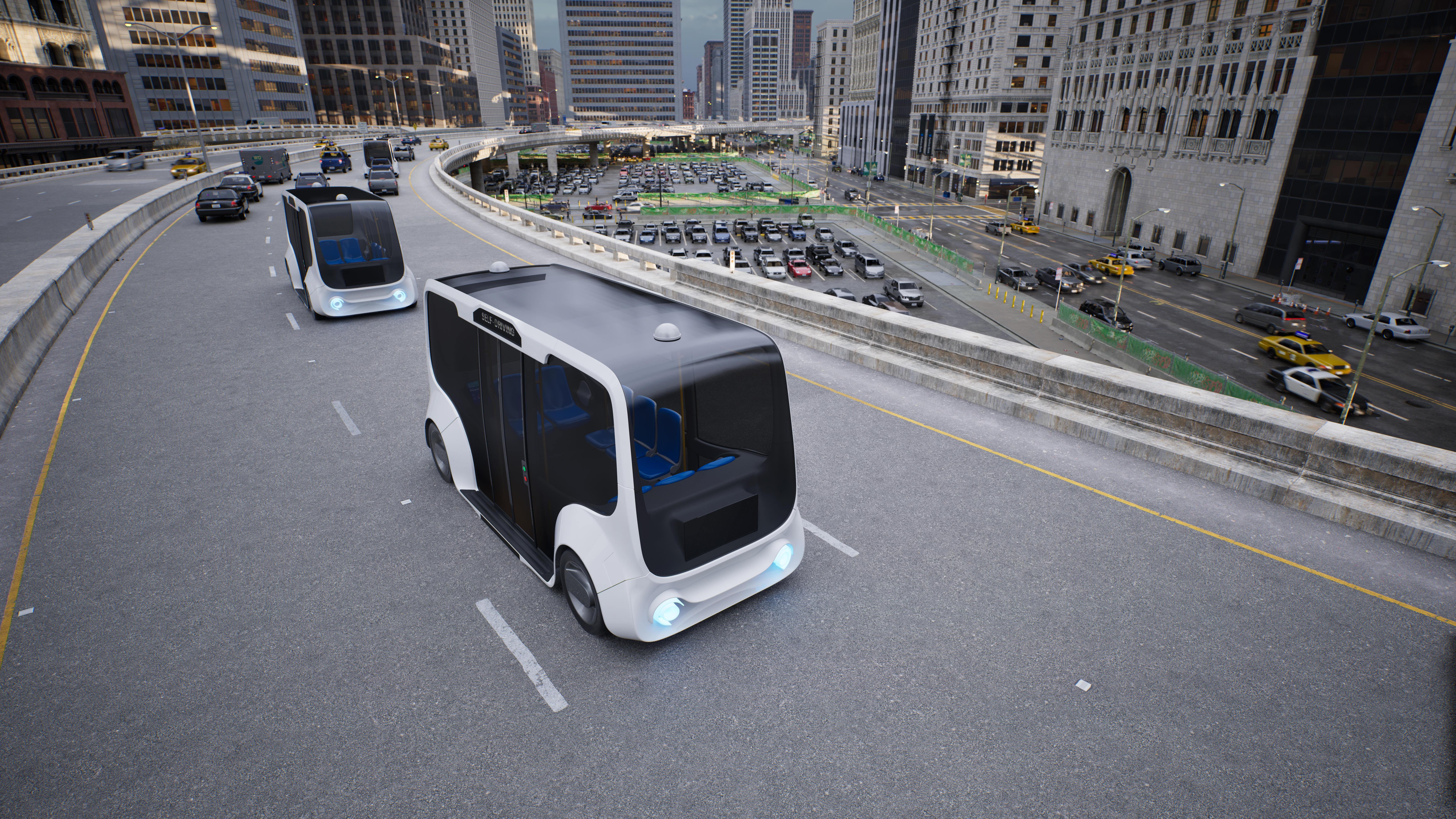
autonomous driving bus is a bus in which advanced autonomous driving technology takes over the operations normally performed by a driver.
The bus is equipped with sensors, cameras, measuring devices such as LiDAR, and a communication system to grasp the vehicle's position, and is designed to control driving by reading the bus and the road conditions around it.
In recent years, autonomous driving buses have been attracting attention from national and local governments, as well as private companies, as an innovative technology that could change the future of public transportation.
Four benefits of introducing autonomous driving buses

autonomous driving BusofintroductionSo what are the benefits?Here,autonomous driving BusObtained bymeritof4ToDivideLet me introduce you.
1. It will help maintain public transportation in rural areas
In rural areas, the population is declining and aging, and the use of one private car per person is becoming common, resulting in a decrease in the number of people using public transportation. As a result, there are many areas where regular operation is difficult. By introducing autonomous driving buses to such areas, they will be recognized as a safe and reliable means of transportation, encouraging people to switch from private cars, which is expected to increase the number of users in the long term. This is expected to have the effect of preventing the abolition of bus routes. In fact, the number of municipalities conducting test operations is increasing year by year, and there are some areas where they are becoming a well-established means of transportation for residents.
In addition, it is expected that fully driverless autonomous driving buses will be in operation in the near future, which will have the benefit of allowing the maintenance of routes that have been forced to be discontinued due to a shortage of drivers.
2. It can prevent traffic accidents caused by human error.
autonomous driving technology maintains a consistent driving pattern, so there is no risk of driving mistakes caused by fatigue or emotional changes that people make while driving. This is expected to reduce the number of traffic accidents by avoiding mistakes made by drivers at night or by elderly drivers.
Furthermore, autonomous driving technology can grasp traffic conditions in real time and perform optimal braking and steering operations, which has the advantage of avoiding traffic congestion caused by drivers unconsciously slowing down on slopes, etc.
3. Increased user loyalty
The introduction of an innovative product such as an "autonomous driving bus" will be attractive to users. In addition, for people who have mobility challenges, such as elderly people whose judgment tends to be impaired and parents with infants who need care, the ease of travel provided by autonomous driving buses will lead to the widespread recognition of autonomous buses as a transportation method that is friendly to everyone. This will make autonomous driving buses an important factor in deepening attachment to the local area. In addition, the "introduction of an innovative product" and "improved convenience" will help prevent younger generations from leaving the area, and are expected to be a measure to combat population decline.
If companies introduce autonomous driving buses not on public roads but on large private land such as factories, employees will be able to travel without stress even in bad weather. Such improved comfort and convenience will increase employees' sense of belonging to the company and increase loyalty.
4. Jobs will be created for those who are unable to find work.
Currently, even in the case of fully unmanned buses, a driver is often on board just in case. However, when buses are used on private roads, or in the near future when many buses are deemed to be "fully unmanned," a new job of managing buses through remote monitoring will be created.
Remote monitoring refers to the task of monitoring various conditions of buses from a distance and protecting the safety of buses and public roads by monitoring from a system. Since there is no need to board the bus directly and the work can be done while sitting, it is an easy job for people who have physical difficulties working on site or who have time constraints.
The introduction of autonomous driving buses is expected to provide a new way of working for people who are struggling to find work, leading to the creation of a wide range of jobs.

Image of remote monitoring room
Steps, costs, and procedures you need to know when introducing autonomous driving buses

autonomous driving buses are expected to be a part of the transportation infrastructure of the future, but their introduction requires important steps, costs, and procedures. Understanding these in advance will ensure a smooth introduction.
Here, we will explain separately when autonomous driving buses will be used on private roads and when they will be used on public roads.
When using on a private road
When using autonomous driving buses on private roads, there are fewer legal restrictions and they can be operated flexibly. For example, this applies to travel within a company or university campus. Compared to public roads, there are fewer items to be aware of, such as other vehicles and traffic signals, and it is easier to ensure the safety and convenience of users, so it may be possible to operate the bus completely unmanned.
On the other hand, the introduction of such a system requires the formulation of a plan. It is necessary to consider the selection of operation routes and stops, operation hours, etc. To do so, it is necessary to understand the needs of users.
It is also important to estimate the necessary expenses and secure a budget. Since large costs will be incurred, such as the cost of purchasing autonomous driving bus and the cost of installing and maintaining the operation system, financial planning is essential.
Being aware of the above and taking steps to prepare will help ensure the successful introduction of autonomous driving buses.
When using on public roads
When considering operation on public roads, it is necessary to proceed carefully and in accordance with national laws. On public roads, vehicles share the road with other vehicles and pedestrians, so currently, in order to ensure safety, various paperwork and application procedures must be completed and submitted to various authorities.
In order to operate the system on public roads, it is first necessary to draw up a deployment plan and then proceed with the deployment based on that plan.
procedure
The items you need to consider when considering implementation are as follows:
・Identifying issues in the target area
・Concept of a service using autonomous driving buses
・Establishment of implementation system
・Demand forecast and profitability analysis
・Consider measures to improve social acceptance
It is necessary to understand the needs of users and develop a plan that takes into consideration details such as route selection, stop location, and operating hours.
Next, there are some tasks and procedures that need to be done regarding autonomous driving bus itself. The main items that need to be done are as follows:
・Acquisition of license plates
- Obtaining permission to use roads in the driving area
- Training autonomous driving bus drivers (e.g. switching from autonomous driving to manual intervention)
・Pass the driving inspection
-Adjusting the autonomous driving system according to the driving route
- Road driving inspection in the driving area
By achieving these goals, we will be able to begin a demonstration experiment in which the people of the town can use the bus. After analyzing the data obtained from the demonstration experiment and revising the content and plan, we will proceed to the official introduction of autonomous driving bus.
cost
It is important to estimate the necessary costs and secure a budget. In particular, initial costs such as the cost of purchasing the vehicle and installing the operation system, as well as maintenance costs after implementation, will be high, so a solid financial plan is essential. For local governments, taking advantage of subsidies and grants will make it easier to introduce autonomous driving buses.
procedure
Strict laws, such as the Road Traffic Act and regulations regarding autonomous driving vehicles, apply to the operation autonomous driving buses on public roads. For example, approval from the Ministry of Land, Infrastructure, Transport and Tourism and permission to use roads from local governments must be obtained. In addition, procedures must be completed to prove that autonomous driving vehicles comply with safety standards.
The aim is to verify the reliability of the technology through demonstration experiments in various locations and gradually popularize autonomous driving buses. It is important for local governments and transportation operators to proceed with their introduction plans while referring to the results of these demonstration experiments.
What are the disadvantages? Things to be aware of

autonomous driving buses have many benefits, but there are also some things to be aware of when considering introducing them.
1. High implementation costs
2. The system design for fully autonomous driving is not yet in place.
It would be a good idea to make plans after understanding the points to be aware of.
1. High implementation costs
There are variouscosts involvedin introducing autonomous driving buses. First,autonomous driving busesthemselvesare expensive because they are equippedwith the latest autonomous driving technology. Second,the roads on which they runmust be equippedwith the equipment necessary for autonomous driving driving. There are also costs associated with trainingdrivers and maintainingdedicated vehicles. It is important to take into account that the initial costs of introducing autonomous driving buses will be high.
2. The system for unmanned driving is not yet in place.
Although laws have been enacted to allow driverless autonomous driving buses, the location of responsibility and the design of the system for operation have not yet been fully established. For this reason, there are many restrictions on the introduction of autonomous driving buses.
In addition, in autonomous driving systems, communication with traffic lights may be unstable.GNSSThere are also concerns that the accuracy of automated driving systems may decline. To solve these issues and ensure safe and secure driving, it will be necessary to further improve the accuracy of autonomous driving systems.
As a result, even autonomous driving buses that are capable of completely unmanned driving currently have a driver on board to monitor operation during actual operation, and in emergencies, they must switch to manual driving.
How to effectively introduce autonomous driving buses
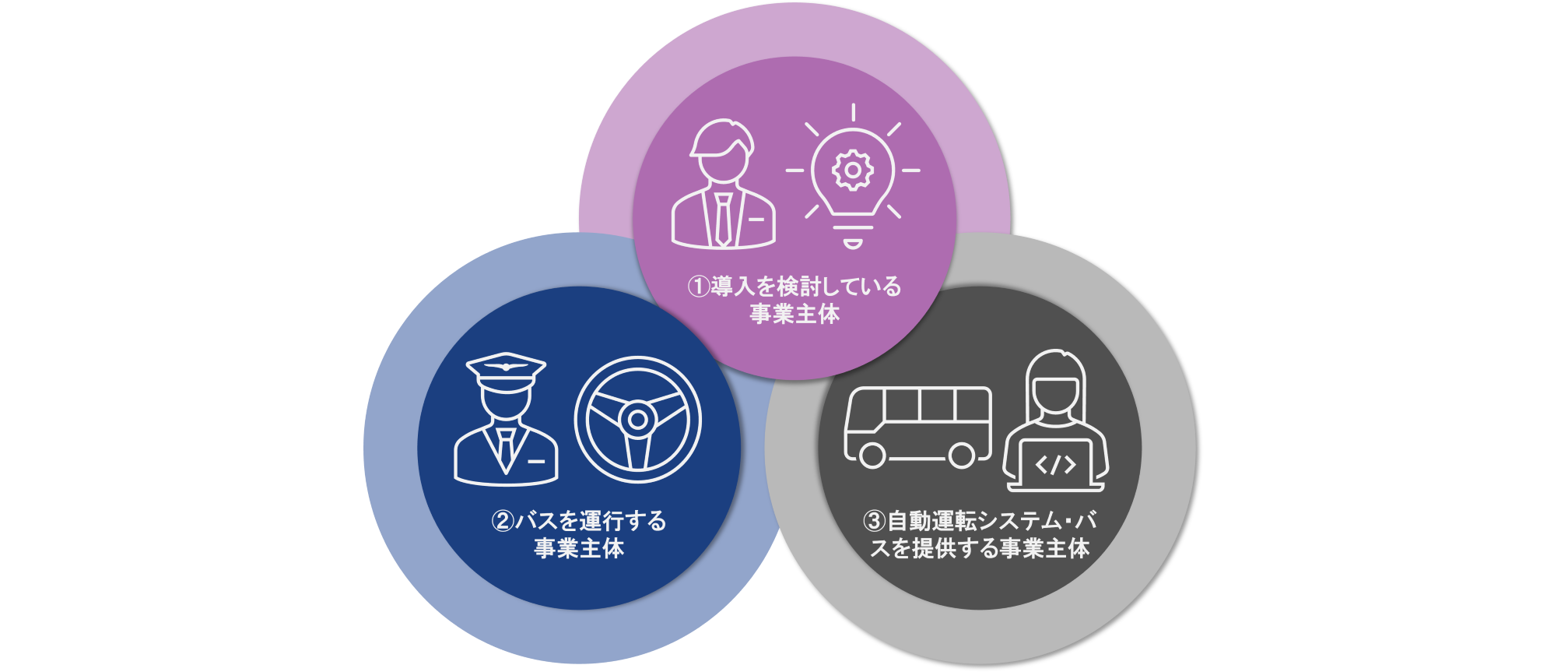
When introducing autonomous driving buses, the following three parties will work together to move forward with the process of introduction: 1) the business entity considering introduction (mainly local governments and transportation companies), 2) the business entity operating the bus (transportation companies), and 3) the business entity providing autonomous driving system andbus(privatecompaniesand organizations).
As mentioned above, introducing autonomous driving buses on public roads requires a variety of paperwork and procedures.
3)Some businesses providing autonomous driving system buses offer services that comprehensively support the entire process of operating the bus on public roads, from acquiring the bus and license plates, to coordinating with local governments and related organizations, and training the drivers.
When planning to introduce autonomous driving buses, it is important to conduct thorough research in advance on the business entity that will provide autonomous driving system and buses. By checking in detail the scope of support, track record, and vehicle information, you will be able to introduce autonomous driving buses in the most efficient and effective way.
Case study
Here we will introduce the introduction and demonstration experiments of autonomous driving buses that are actually in operation. Please use this as a reference for the specific benefits and effective ways to use them.
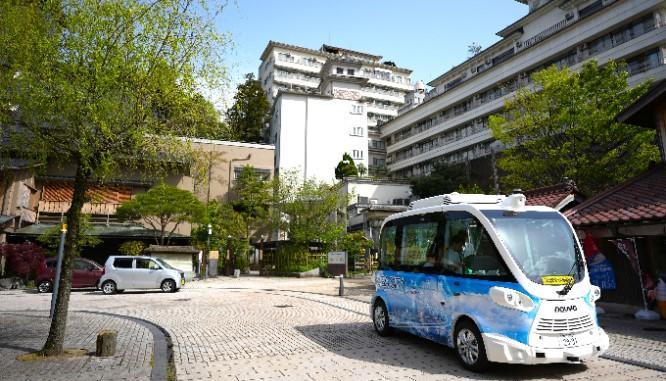
Conducting a demonstration experiment running 10km on public roads
Kaga City Report Vol.2 "Kaga City autonomous driving EV Bus Demonstration Experiment (Public Road Test Run)"
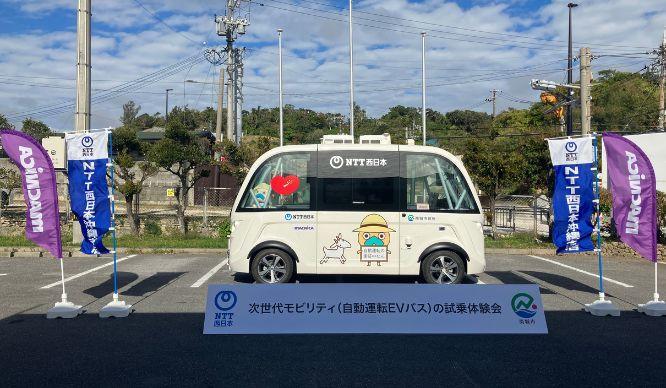
Remote monitoring of autonomous driving buses
Nanjo City autonomous driving EV Bus Demonstration Experiment
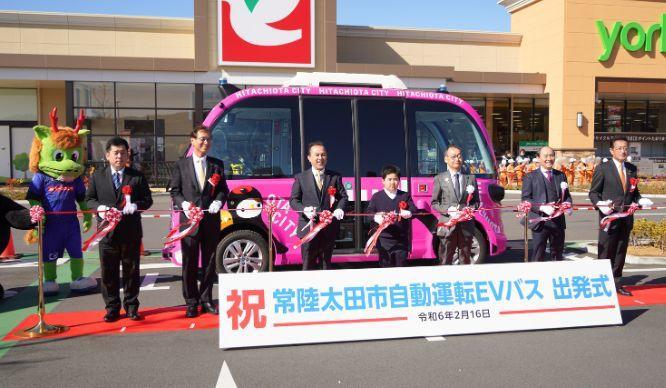
Start of regular operation of autonomous driving electric buses
Hitachiota City autonomous driving EV Bus Regular Operation Departure Ceremony
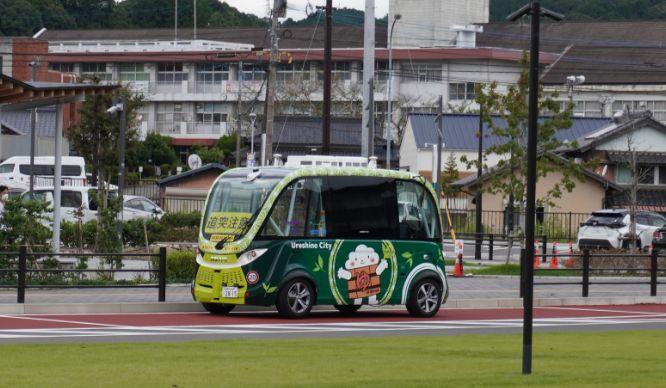
Hopes for future evolution based on analysis of demonstration experiments
<Ureshino City> autonomous driving Demonstration Experiment Report
Summary: Understand the process to deployment and make the most of the benefits of autonomous driving buses
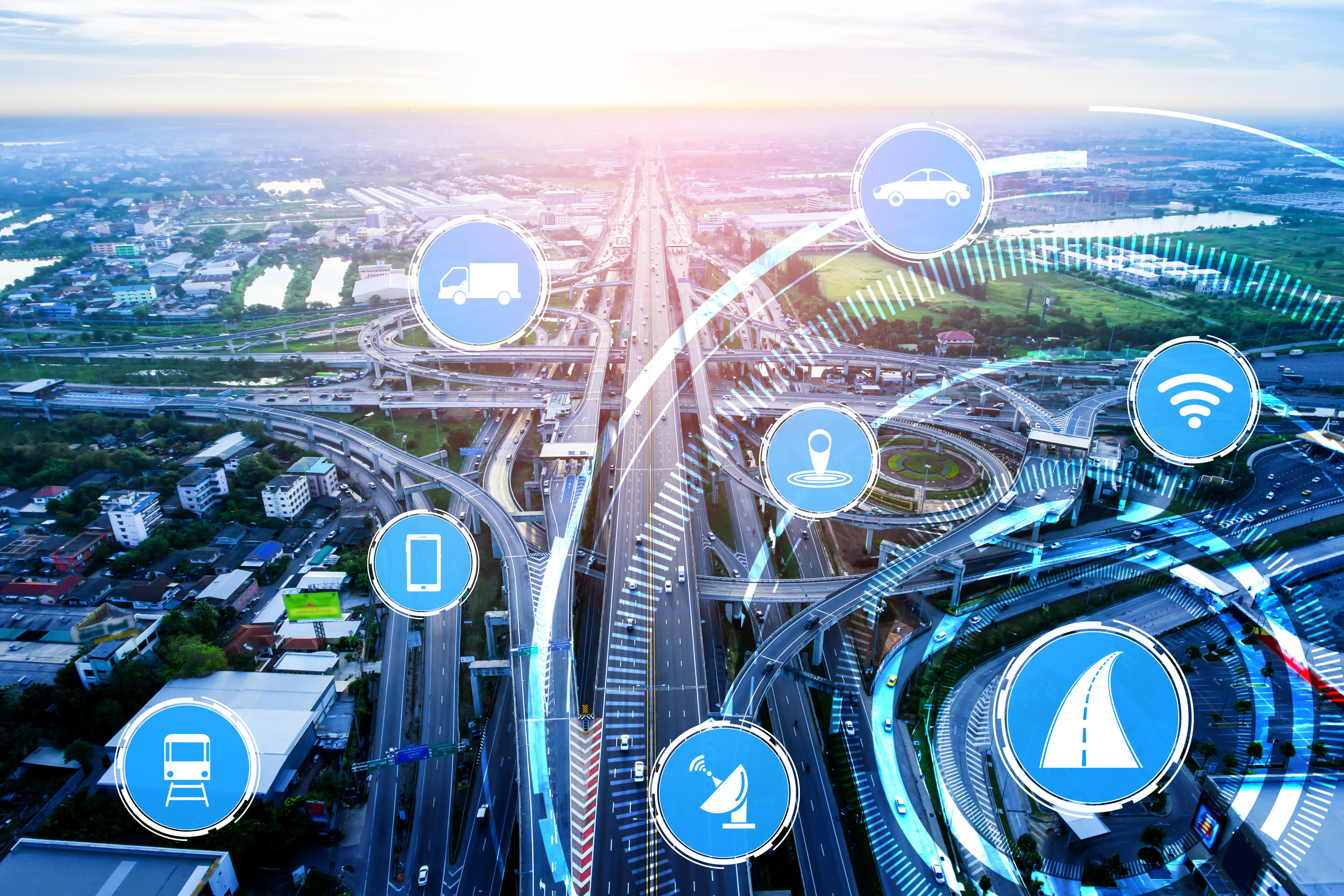
There are many benefits to introducing autonomous driving buses, specifically as follows:
1. Maintaining public transportation in rural areas
2. Preventing traffic accidents caused by human error
3. Improved user loyalty
4. Creating jobs for those with difficulty finding work
In order to realize these benefits, it is important to understand the implementation procedures, costs, and procedures, and to make a plan and proceed accordingly.
We recommend that local governments and companies considering introducing autonomous driving buses first thoroughly understand the necessary preparations and procedures. After that, it is effective to formulate a specific plan and proceed with the introduction in stages.
As the introduction of autonomous driving buses progresses, it is expected that even more benefits will be realized in the future. Let's prepare a system to smoothly proceed with the introduction process while keeping up with the latest technology and changes in the law. Let's steadily clear each step and strive to make the most of these benefits.
Inquiry
At the Company, we provide Macnica variety of products and services related to autonomous driving autonomous driving.Your requestIf you have any questions, please feel free to contact us using the form below.
Related article
[What is Level 4 autonomous driving] When will it be lifted and put into practical use? Explaining what you can do and the benefits
What are the levels of autonomous driving? Explains all levels from 0 to 5