


My seeds are Overcoming the wall
Communication skills
Career entry
IT Engineer (Cross-Departmental)
IT Division, Global IT Management Department
IT Systems Management Department
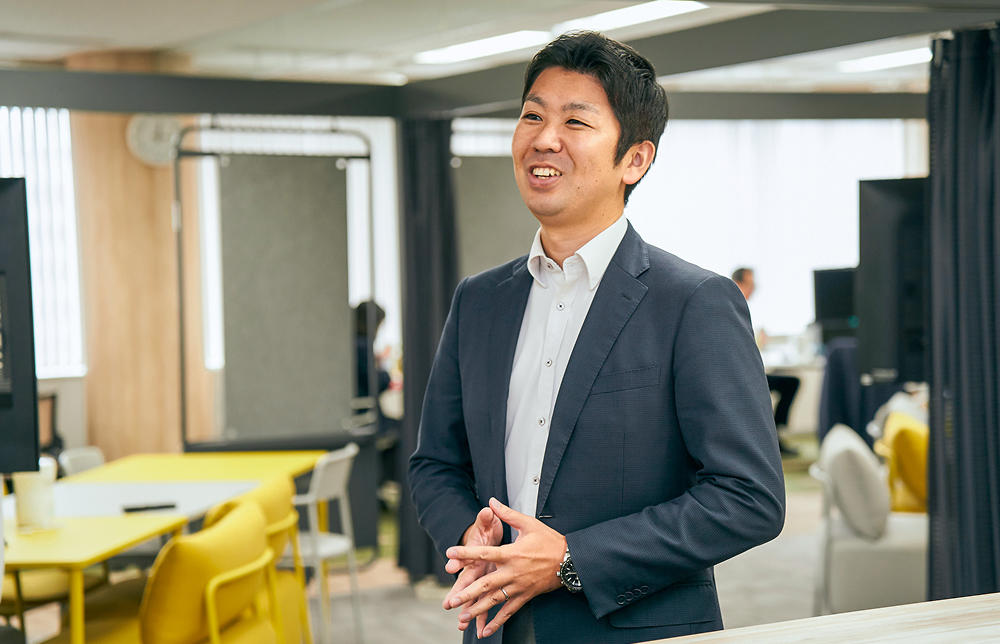
Totsuka, which implements and maintains systems globally, acts as a bridge, overcoming language and cultural barriers. By visiting locations and engaging in dialogue with on-site staff, they find solutions to various problems that span between Japan and overseas.
Q1: What is your current job and what is rewarding about it?
A bridge connecting those involved
After joining Macnica, I was assigned to the semiconductor division and worked in sales. Then, in September 2022, I transferred to the IT division, and from 2025, I will be in charge of the overseas expansion of the next-generation company-wide system.
First, the system used in Japan was to be introduced in the United States and Germany, and I was assigned as the person in charge in the United States. During the project's progress, I was given considerable autonomy as the point of contact on the ground, including negotiations.
My main job is to act as a bridge, connecting people who are in a situation where they don't know who to consult because the process has changed drastically due to system changes.
The IT department has many system specialists. Since I originally came from a sales background, I often encountered problems that I couldn't solve on my own, and I took on the role of connecting stakeholders and figuring out who to consult. Therefore, I excel at listening to stakeholders and finding solutions from their perspectives.
At Macnica, when a project is decided upon, if you express your opinion, you can receive a very quick response, including personnel assignments. I find the work interesting when difficult challenges gradually move towards resolution.
Q2: Why did you choose Macnica?
I was drawn to Macnica because of its sense of speed.
Macnica is my second company. My first job was at a manufacturing company where I worked in overseas sales. At the time, it was necessary to acquire overseas product deals abroad, so I was transferred to Vietnam in my third year at the company, and after that I spent most of my twenties overseas, in places like China and Mexico. As I continued working, I gradually began to think that I wanted to work in Japan, so I started looking for a new job.
Initially, I knew absolutely nothing about Macnica or semiconductors, but thanks to a recommendation from a recruitment agency, I was able to get an interview for a job.
After looking at their website beforehand, I could see a consistent corporate culture, such as "open communication" and "a sense of speed and autonomy," which made it easy to imagine what kind of company it was and made me think it would be a very good place to work.
I remember receiving a job offer from Macnica on my way home from an interview while I was job hunting. I think it was about an hour and a half after the interview, and I was very surprised by how fast it all happened.
During the interview, I got the impression that this company makes quick decisions and moves forward decisively, and I was reminded once again that it is indeed a company with strong decisiveness. I honestly felt that I wanted to work for this company, and so I decided to join Macnica.
Daily Schedule
-
8:00
meeting
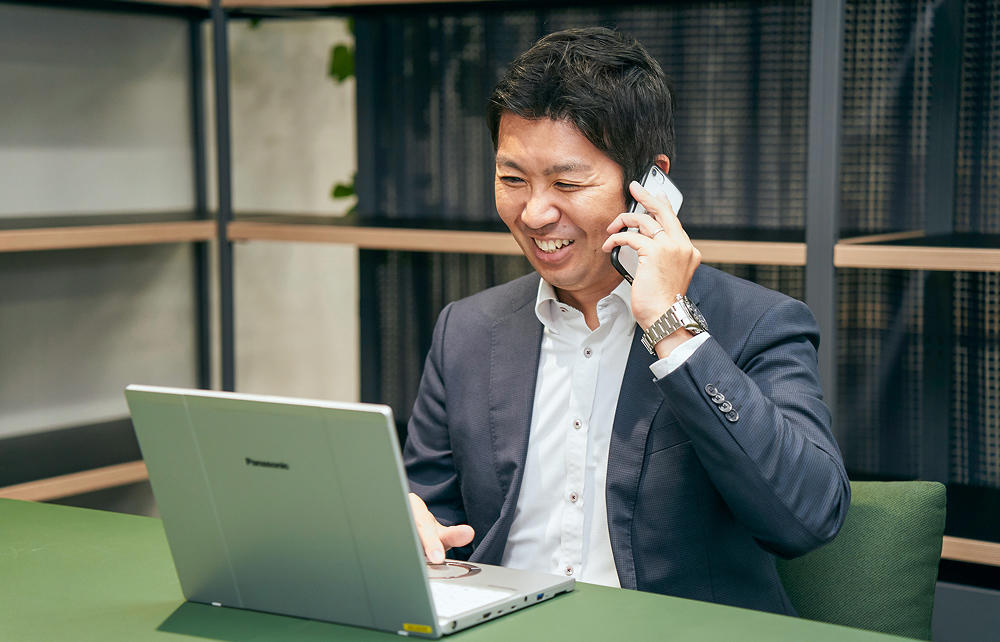
Online meeting with members of Macnica America
-
9:00
Email confirmation
Checking emails received from the US at night
-
10:00
Internal regular meeting
Share operational status and areas for improvement with user representatives.
-
12:00
Lunch break
Refreshing while exchanging information with team members
-
13:00
Document creation and internal coordination
Compiling monthly reports and requests, and coordinating with relevant departments.
-
14:00
System improvement planning and design
We will thoroughly address the needs of our users.
-
16:00
Online meeting with partner company
Regular meeting with the partner company that handles the maintenance of our systems.
-
18:00
End of Business
Q3: An episode that made you grow
The growth I felt after overcoming a large-scale system implementation project
The system implementation project in the United States hit a dead end after only about two months, requiring a complete restructuring of the organization. The project was reorganized into three teams: "System Development," "Data Migration," and "Implementation (Rollout)." As the leader of the "Implementation" team, I was responsible for planning and managing on-site training and briefing sessions.
During implementation, there was resistance from the field, with users saying, "We can't operate with this functionality," because the system specifications designed by the Japanese side did not match the local laws and business requirements in the United States. Since the Japanese side had a policy of "not doing any additional development," it was extremely difficult to reach an agreement between the two sides.
I traveled to the United States more than 10 times over the course of a year, spending time with local team members to identify challenges and explore solutions. It was a tightrope walk with limited manpower and time, but by carefully organizing small issues and building a strategy for solving them, we were ultimately able to complete the implementation.
The biggest takeaway from this project was gaining the ability to drive large-scale projects involving many members from both within Japan and internationally. I was able to gain experience in organizing challenges and moving forward while making necessary adjustments, even among stakeholders with different positions and backgrounds.
Another significant achievement was building an internal network that transcended national borders and locations through interactions with local team members. I believe that this experience has allowed me to approach projects with a broader perspective, which has been a major source of personal growth.
MY VISIONFuture goals and aspirations
We plan to first thoroughly establish the post-implementation support system at our US base, which we launched this year. Based on that experience, we then plan to establish a similar support system at our German base.
In the future, we will need to manage all overseas locations from Japan. Currently, there are many challenges even in the United States, and the burden on our domestic team is considerable.
Therefore, in order to thoroughly manage our overseas operations, I would like to actively expand my knowledge of business areas that I have not experienced before. Also, since it is impossible for me to oversee all overseas locations by myself, I would like to create initiatives that allow the entire team to deepen their knowledge and establish operational flows that do not rely on individual expertise.
other interviews
-
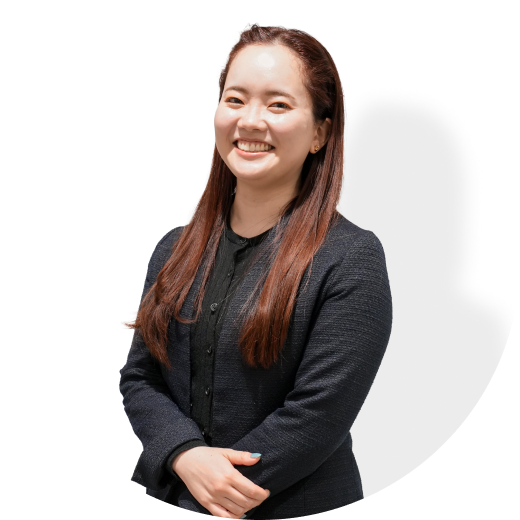
Career hire
Financial
My seed isthinking ability.
-
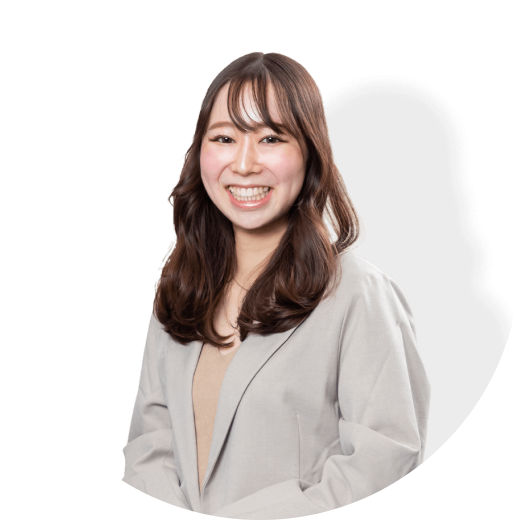
New graduate hire
Business Operations
My seed isa positive attitude
-
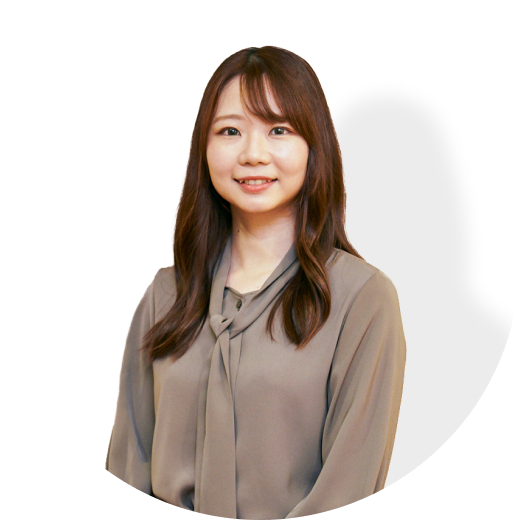
New graduate hire
Business Operations
My seed isdedication
-
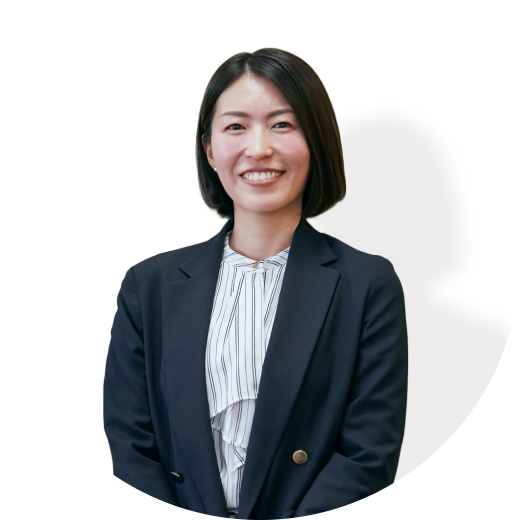
Career hire
Business Operations
My seed isperseverance
-
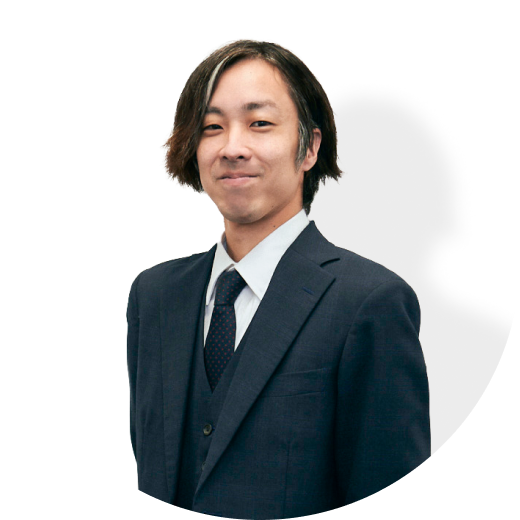
Career hire
human resources
My core principle isrespect for individuality.
-
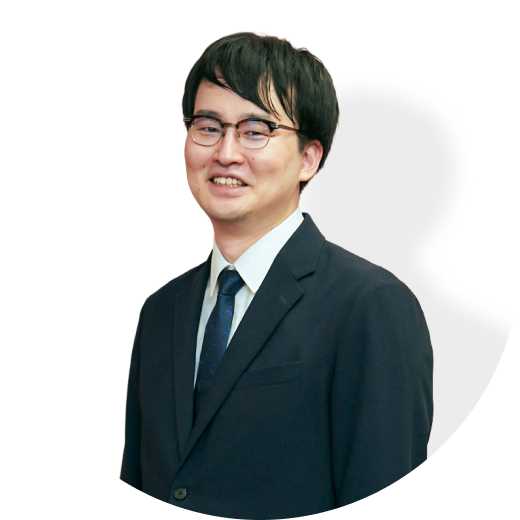
Career hire
Legal Affairs
My seed iscuriosity about new things.
-
Career hire
Financial
My seed isthinking ability.
-
New graduate hire
Business Operations
My seed isa positive attitude
-
New graduate hire
Business Operations
My seed isdedication
-
Career hire
Business Operations
My seed isperseverance
-
Career hire
human resources
My core principle isrespect for individuality.
-
Career hire
Legal Affairs
My seed iscuriosity about new things.


