

Taneva Osaka
実践者とともに考える
📍Kansai University Umeda Campus
Participation ticket: 1,000 yen
Participation ticket + social gathering ticket: 2,000 yen
📅Wednesday, December 9, 2026 13:00-20:00
(Registration starts at 12:30)
📍Kansai University Umeda Campus
Participation ticket: 1,000 yen
Participation ticket + social gathering ticket: 2,000 yen
Taneva is involved in cybersecurity.
Managers, on-site staff, analysts, and other people with different positions and roles come together.
This is a community where we learn from each other by sharing real-world knowledge.
初開催のTaneva Osakaのテーマは、
「AI時代のセキュリティを、実践者とともに考える」
AIガバナンス、セキュリティの組織への浸透、従業員の育成、リーダーシップ-
AIの時代に、人が果たすべき役割を問い直す。
多様な業界・コミュニティの実践者と学び、語り、つながり、 自社の取り組みを前に進める一日。
セキュリティの未来に、わくわくを-
Taneva Osakaから、その未来を一緒につくりませんか。

speaker
Opening Session
"Can you really maintain that defense?"
~In an era where we cannot protect ourselves alone, how should we be?~
The increasing sophistication of cyberattacks and the accelerating pace of digitalization are making security risks surrounding businesses and organizations increasingly serious. Meanwhile, a shortage of personnel to combat these risks is a major challenge, and "old ways of defending" are becoming obsolete. This session will address the current state and challenges surrounding security personnel, and explore new approaches needed in the coming era from the perspective of practitioners working in the field. Talent development, knowledge sharing, and connections that transcend organizational and corporate boundaries will be crucial forces supporting security in the future. From "someone protects" to "everyone protects." What should we change, and what kind of future should we aim for, to achieve sustainable security? We will explore clues to these questions together with the participants.
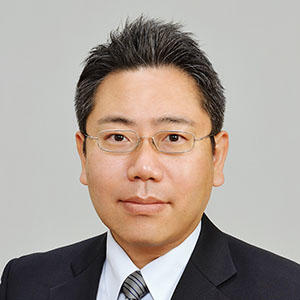
Vice Chairman, Cross-Industry Cybersecurity Study Group
JCOM Corporation
Information Security Division
Deputy General Manager
Dear Shintaro Watanabe
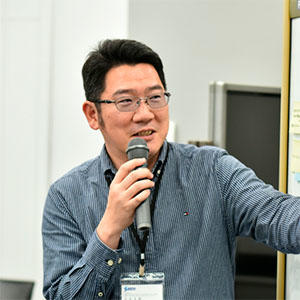
Santen Pharmaceutical Co., Ltd.
Digital & IT Division, Cybersecurity Architecture & Solutions Senior Manager
Mr. Fumito Masaki
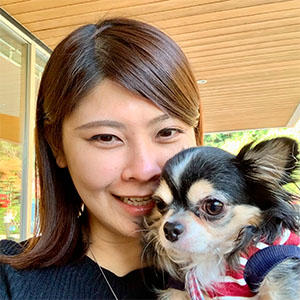
District Activities Committee Vice Chairman
Simple Form Co., Ltd.
Technology Development Division
Dear Aya Ohara
Thinking about organizations
What should internal communication be like for the security department?
~Eliminating miscommunication about security and developing communication techniques to motivate organizations~
Even though the necessity of security measures is understood, many people face challenges such as "the field staff aren't taking action," "they're not cooperating," and "the value isn't being communicated to management." Behind this lies not only a problem with technology and countermeasures, but also a problem with "communication." In this session, a communication expert and a security practitioner will take part in a dialogue. Addressing the challenges faced in daily work, such as communication within teams, with other departments, and between superiors and subordinates, they will explain the mindset and practical methods of communication that gets through to others and leads to action.
You will take away know-how that can be used regardless of your position or organization, such as technical writing and explanation structuring to convey technical content clearly, and communication skills to engage stakeholders.
Explained from an academic perspective
Kyoto University Graduate School of Management
Specific associate professor
Renko-sama
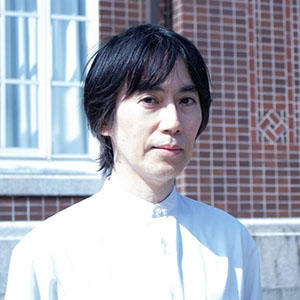
Associate Professor, Graduate School of Management, Kyoto University
Representative of Gekidan Eisei (Theater Company Satellite), playwright, director, actor
- He runs a "professional theater company," which is extremely rare in the genre of small-scale theater.
- My research area of expertise is "communication design."
- In addition to her primary institution, she teaches courses on communication at several other universities (Kyoto University of Foreign Studies, etc.).
Panasonic Holdings Corporation
Head of Global Security Division, Cybersecurity Management Office
Mr. Manabu Nakano
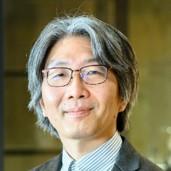
Considering AI Security
Why aren't AI rules being followed? Considering AI governance that works in practice.
Even if guidelines and rules for AI utilization are established, there is no guarantee that they will be correctly understood in the field and translated into actual actions. What are the factors that render AI governance meaningless, such as shadow AI, inappropriate use of generative AI, and differing judgments across departments?
In this session, through a panel discussion among corporate practitioners, we will identify points that need to be reviewed in your company's AI governance and organize the challenges from the perspectives of policies and guidelines, operation, monitoring, education, and organizational culture. Furthermore, we will consider specific next actions that will lead to behavioral changes at the operational level.
Transforming AI governance from a "rule-making initiative" to a system that is understood, chosen, and followed at the operational level. You will take away practical tips for increasing its effectiveness.
NTT West Corporation
Security & Trust Department
Specialist
Dear Mr./Ms. Yu Ishida
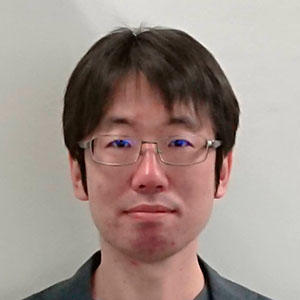
Covers IT/OT/product security.
Fujitec Co., Ltd.
Head of Information Security Division, Digital Innovation Headquarters
Mr./Ms. Ryuta Kitano

Considering AI Security
[Participatory] The World's Best AI Guideline Tournament
Reviewing AI Usage Guidelines with Challenge Cards: A Practical Workshop
"We've created AI usage guidelines, but we're not sure if they're actually working in practice." "We feel they need reviewing, but we don't know where to start." "We want to gain the necessary perspectives and practical knowledge to formulate them in the future."
This session is an interactive workshop for information security and AI governance professionals who have these kinds of concerns.
Using a template guideline and challenge cards, groups will consider what rules, operations, visualization, and training are necessary to address the challenges anticipated when using AI.
Rather than simply adding prohibited actions to the list, our aim is to design guidelines that are followed in practice and can be continuously improved.
Through this workshop, you will visualize the current state and gaps in your company's guidelines and prioritize the elements that are lacking. You will take home the completed draft guidelines along with specific next actions that your company will take after the session.
Fenrir Inc.
Information Systems Department, Security Section, Section Chief
Dear Jun Uehara
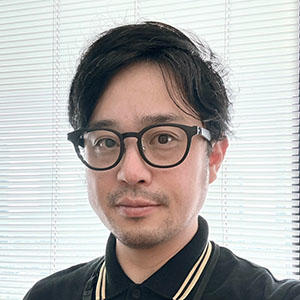
Community Manager
Macnica
Customer Engagement Department
Kanade Horiuchi

Thinking about your career
5年後の自分を描けなくてもいい
キャリアは計画ではなく、歩いてきた轍がつくる。
琉球大学・海洋学科卒からNECのCISOに至った講師が、パーツモデル・箱庭・スキルのかけ算という3つの視点で、セキュリティの責任者がこれまでの経験を武器に変え、明日から新たな轍を刻むためのヒントを語ります。
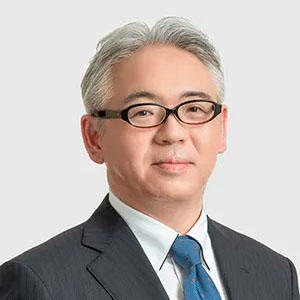
日本電気株式会社
Corporate Executive CISO 兼 NECセキュリティ株式会社 取締役
淵上 真一 さま
Practical workshop to hone judgment skills
How to cultivate the judgment skills needed to prevent incidents
- Redesigning employee training -
When considering employee training, issues such as "how to increase attendance rates," "how to reduce the open rate of targeted attack emails," and "how to demonstrate a return on investment" are often discussed. However, beyond these lies a more fundamental question: "how to cultivate employees' judgment skills?"
In this workshop, participants will learn experientially about the background behind biases and oversights in judgment, and the importance of "pauses" for making appropriate decisions, by analyzing real-world examples. Participants will share their perspectives and ideas with each other, reflect on their company's training programs, and explore the learning mechanisms truly necessary to cultivate judgment skills. With feedback from the instructor, participants will develop actionable insights that can be taken back to their workplaces.
Human-centric cybersecurity researcher
Dear Ms. Shoko Hasumi

Having worked in cybersecurity for national institutions and private companies across global locations, I have been involved in the practical implementation and management of cybersecurity. Facing the reality of repeated incidents and misjudgments in diverse cultural and organizational environments, I realized that the problem lies not in technology itself, but in "how people make decisions." Currently, I research creating environments where people can confidently relearn and make flexible decisions, focusing on the perspectives of judgment, memory, habits, and culture, and I am disseminating information on human-centered cybersecurity.
Thinking about the value of a person
Is security about people?
~Rethinking the Value of Humanity in the Age of AI~
Cybersecurity has developed primarily through technical measures, and management and operational systems have also been established. But as AI and automation advance, what role should humans play? What should we protect, what should we permit, and what risks should we accept? How should we use technology, and how should we respond to its consequences? These decisions involve the values and responsibilities of individuals and organizations.
People get tired, anxious, trust, and try to fulfill their responsibilities. Attackers exploit these traits to manipulate judgment. However, trust and a sense of responsibility are also essential qualities that support work and organizations. Human vulnerabilities cannot be patched up like technology. It is necessary for people to remain human, acknowledge their weaknesses, regain their judgment, and utilize their strengths.
This lecture will begin with human judgment and vulnerabilities and then move on to the role that humans will play in the age of AI. We will explore how to connect each individual's knowledge, experience, and strengths to the organization's defense, and how security can lead these efforts. Furthermore, we will consider the role of communities in sharing wisdom, experimenting, and supporting each other with colleagues outside the organization. We will reconsider how to cultivate the resilience of both individuals and organizations by viewing security as a "safety mechanism" that supports organizational activities and growth.
Human-centric cybersecurity researcher
Dear Ms. Shoko Hasumi
Having worked in cybersecurity for national institutions and private companies across global locations, I have been involved in the practical implementation and management of cybersecurity. Facing the reality of repeated incidents and misjudgments in diverse cultural and organizational environments, I realized that the problem lies not in technology itself, but in "how people make decisions." Currently, I research creating environments where people can confidently relearn and make flexible decisions, focusing on the perspectives of judgment, memory, habits, and culture, and I am disseminating information on human-centered cybersecurity.
Discover and connect with new people even between sessions.
In addition to a variety of sessions, there will be hands-on learning corners and opportunities for casual interaction among participants.
We offer opportunities to connect with various communities.
It's not just about gaining knowledge, but also about trying things out, talking, and connecting with others.
Experience the excitement of security and the possibilities that emerge from the community.
Taneva Osakaを一緒につくるコミュニティ
Taneva Osakaでは、関西地域で活動する多様なセキュリティコミュニティのみなさんにご協力いただきます。
気になるコミュニティを見つけたら、ぜひブースで会話してみてください。



Outline
- name
- Taneva Osaka
- date and time
-
Wednesday, December 9, 2026
13:00 - 20:00 (Registration starts at 12:30)
- venue
-
Kansai University Umeda Campus, 8th Floor Main Hall
5-minute walk from the Chayamachi side of Hankyu "Osaka Umeda Station"
10-minute walk from the Midosuji South Exit of JR Osaka Station.
1-5 Tsuruno-cho, Kita-ku, Osaka City, Osaka Prefecture 530-0014
📍 https://kandai-merise.jp/access/
- Entry fee
-
- Participation ticket: 1,000 yen
- Participation ticket + social gathering ticket: 2,000 yen
- organizer
-
Macnica
- このイベントで
得られること -
- AI時代に、人が果たすべき役割への新たな視点
AIに任せること、人が判断すべきことを見つめ直す。 - AIガバナンスを現場で機能させるヒント
ルールを作るだけで終わらせず、実際の行動につなげる考え方を学ぶ。 - セキュリティを組織に浸透させ、人を育てる実践知
従業員を巻き込み、判断力を育てるためのヒントを得る。 - 組織を動かすセキュリティリーダーシップへの気づき
セキュリティと経営をつなぎ、周囲を巻き込みながら前に進める視点を得る。 - 業界・コミュニティを越えたつながり
多様な実践者と交流し、イベント後も知見を共有できるネットワークを広げる。
- AI時代に、人が果たすべき役割への新たな視点
Access
Management members
Our team of seven members, each with diverse backgrounds, is responsible for planning and managing events.
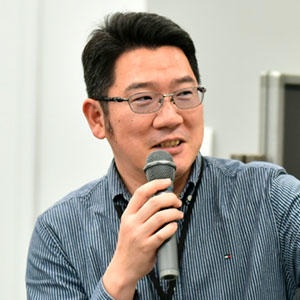
Santen Pharmaceutical
Masaki Fumito
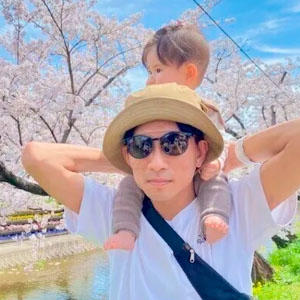
Aica Industries
Ogura Daiki
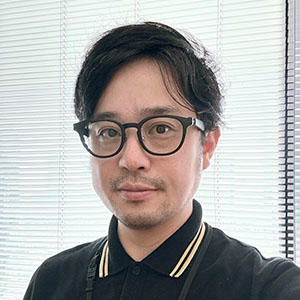
Fenrir
Jun Uehara
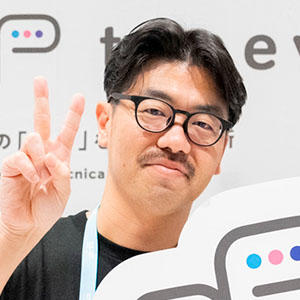
Macnica
Kenzo Takamura
Macnica
Kanade Horiuchi

Macnica
Yuna Hikino
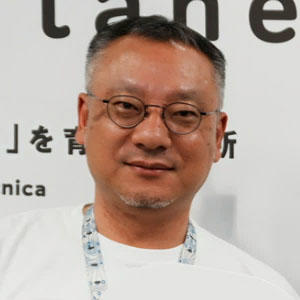
Macnica
Goya Yamazaki
FAQ
Q. Who is this event intended for?
A. This program is intended for anyone involved in their company's security, regardless of their position, including those in security strategy, planning, management, and information systems.
*We reserve the right to refuse participation to sales partners other than those listed above, those applying with free email addresses, students, competing agencies or companies handling competing products, or anyone else the Company deem unsuitable for participation in this seminar.
Q. Is it okay for multiple people from the same company to participate?
A. Yes. Multiple people from the same company can participate. We welcome participation from colleagues involved in security or from other departments, who are the target audience for this event. Please register each participant separately.
Q. Can I change or cancel my application after submitting it?
A. Yes, you can change or cancel your application.
Q. Will there be online streaming or archived streaming?
A. We have no plans at this time, so please come to the venue.