- Smart City/Mobility Business HOME
- Search by use case
-
Search by product/service

- event·
seminar -
Case studies and columns
- Inquiry
autonomous driving EV buses will revolutionize local and tourist transportation.
We provide comprehensive support, from design and demonstration to operation, tailored to address challenges such as maintaining local transportation, labor shortages, and utilizing tourism resources.
Scenarios in which it is used
The introduction of autonomous driving is progressing in various areas such as local transportation, tourist destinations, and within facilities, depending on the operating conditions and purpose.
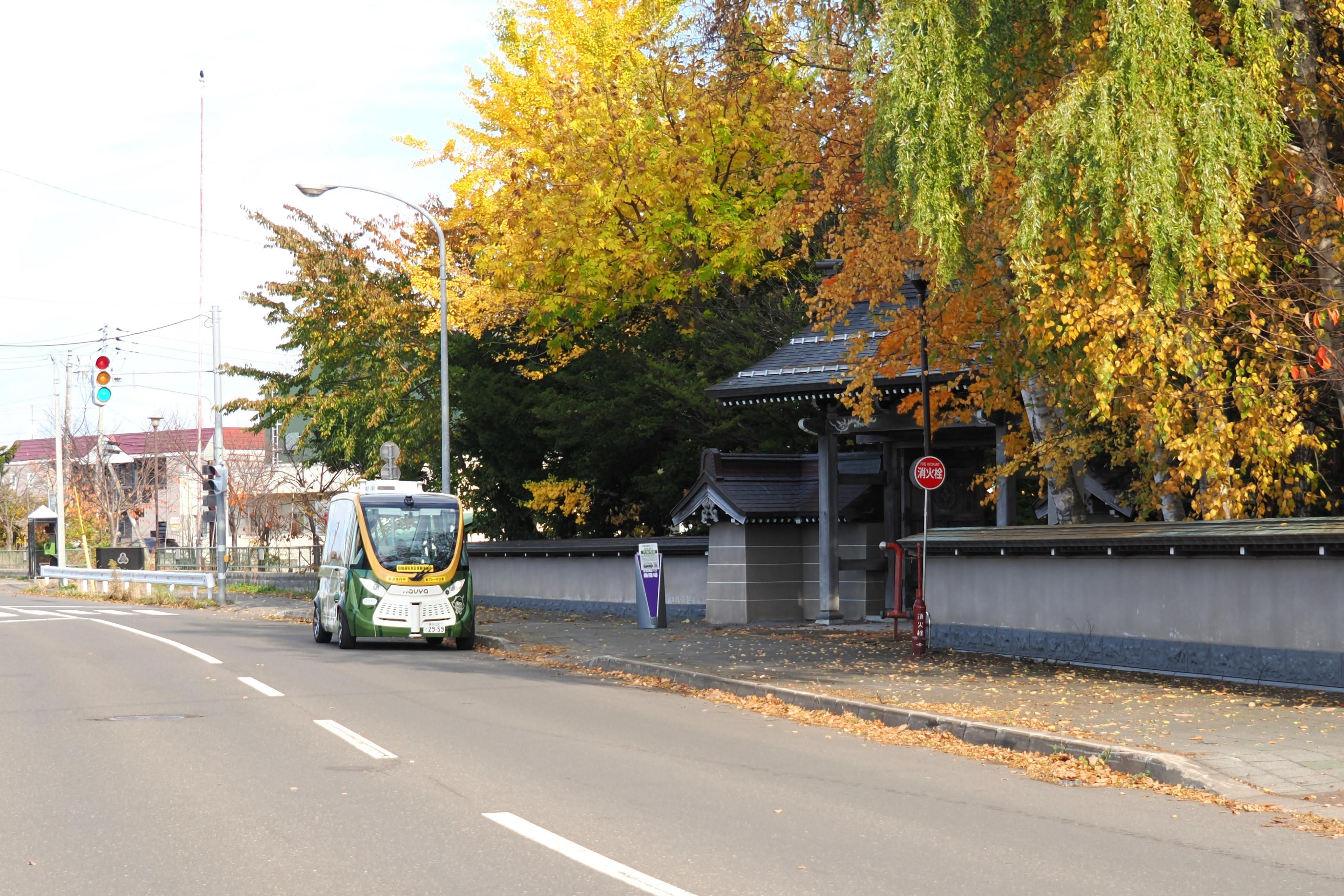

Regional public transportation
As a vital transportation route connecting residential areas and the city center, it addresses challenges such as driver shortages and route maintenance.


Sightseeing within tourist areas
It will be used as a means of transportation to support secondary transportation and improve accessibility around tourist destinations and resort facilities.


Movement within private property
Ensuring stable operation and safety in closed areas such as universities, hospitals, and factories.
We will work with you to design the optimal operation plan to suit your specific situation and requirements.
We will propose the optimal implementation method according to the conditions and challenges at your site.
I want to discuss autonomous driving buses.We provide comprehensive support for all stages of the implementation process.
Introducing autonomous driving electric buses requires considering multiple aspects, including not only vehicle selection but also operating conditions, regulations, and safety measures. Macnica will provide support from the initial stages of implementation to address all necessary considerations.
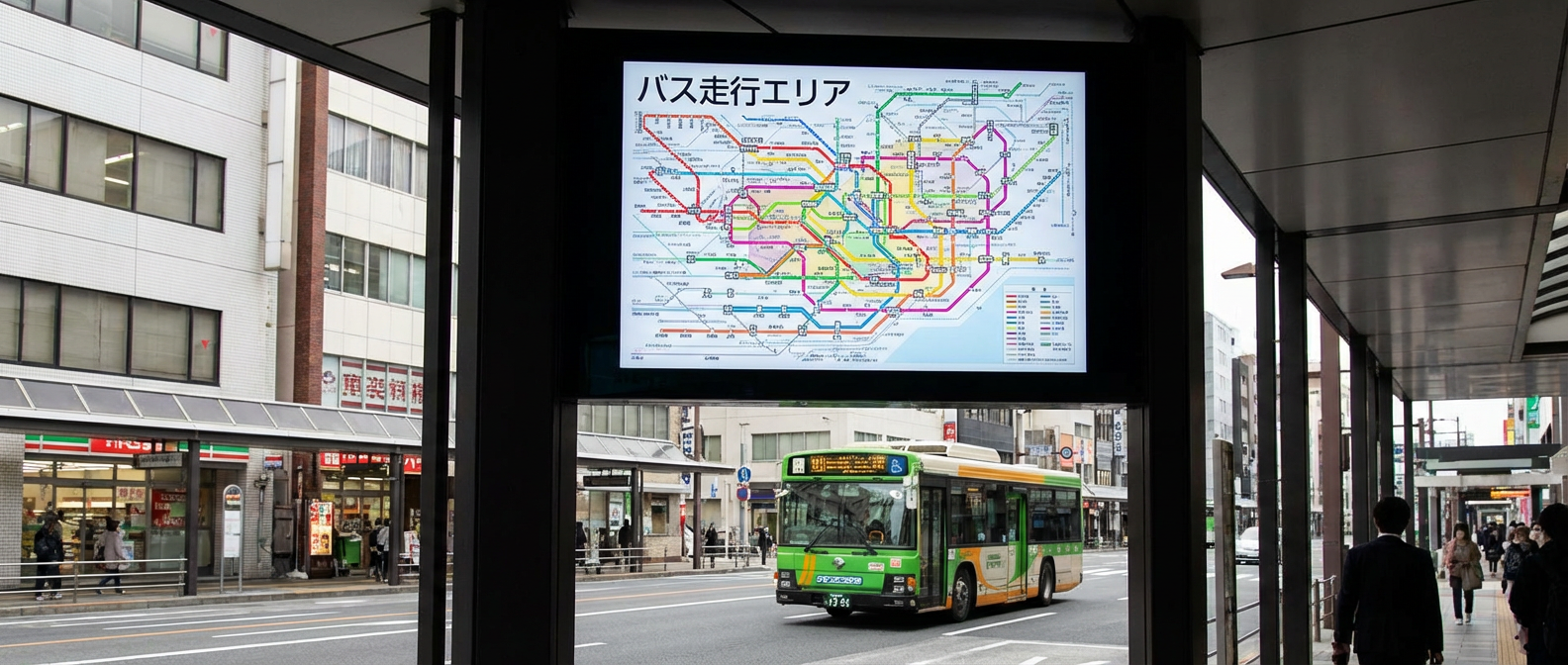
Confirmation and organization of operating conditions
We organized the feasible operating conditions, such as the operating area (public roads/private roads) and the operating format (scheduled/on-demand).

Subsidies, systems, and coordination with stakeholders
We provide support for utilizing subsidies and coordinating with relevant government ministries and local stakeholders.
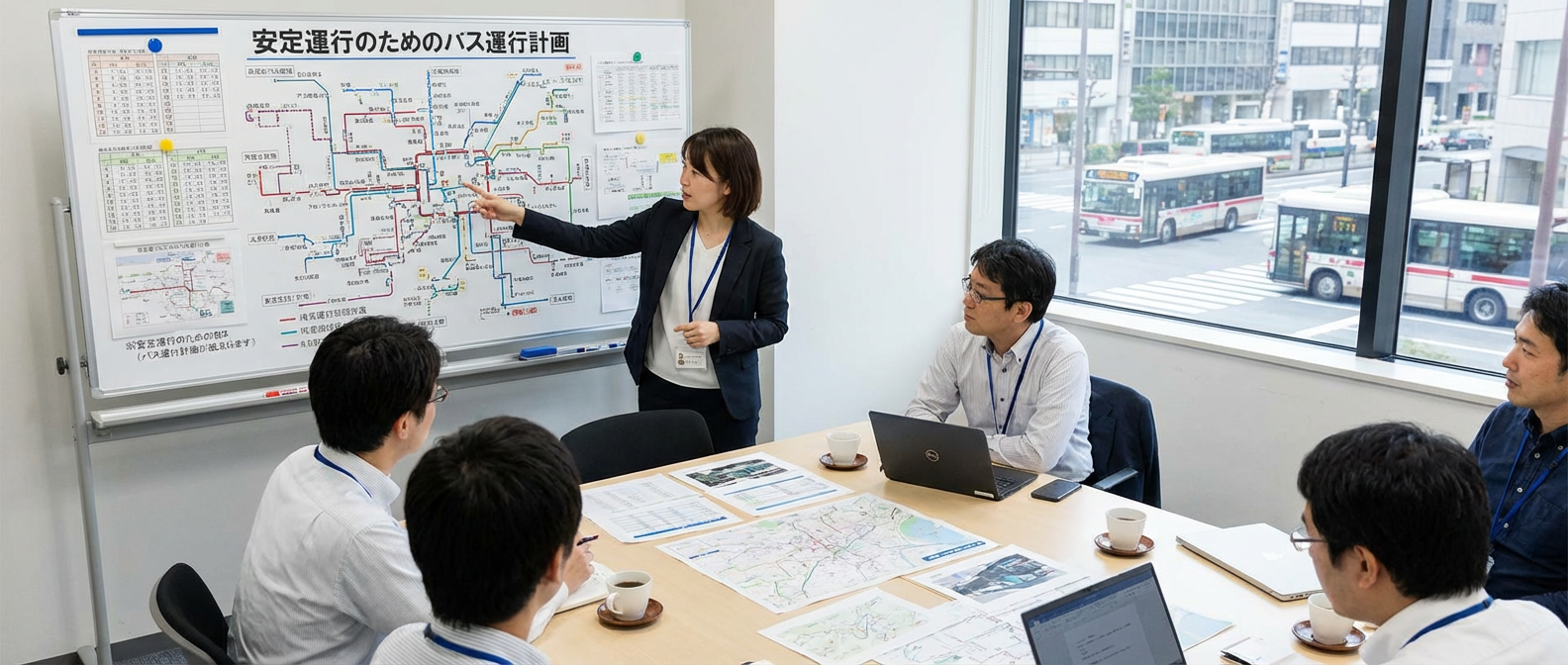
System design for stable operation
We have developed a system configuration and operational design that assumes stable operation.
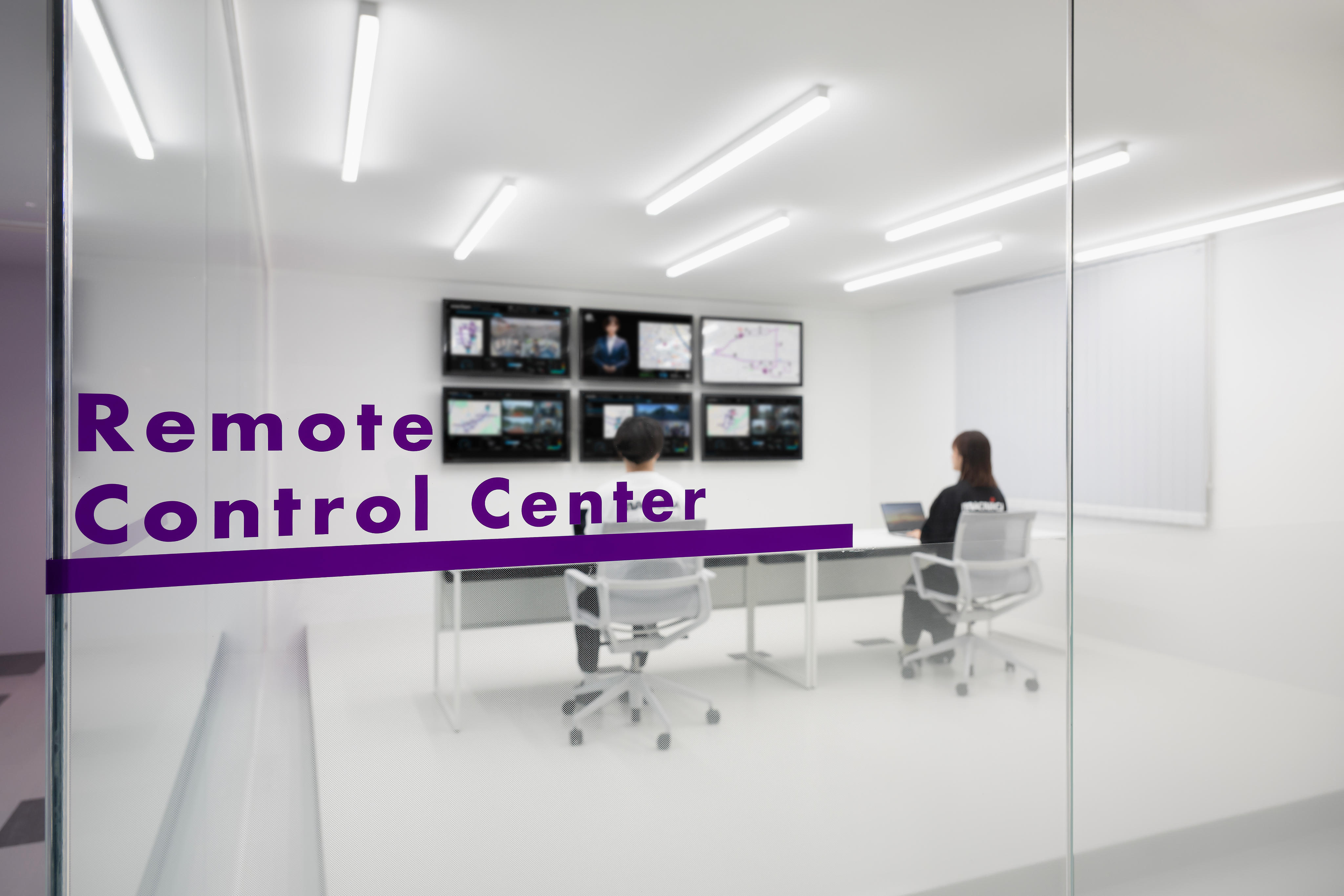
Establishment of an operational management and safety management system
We support operational design, including remote monitoring, operation management, and safety management systems.
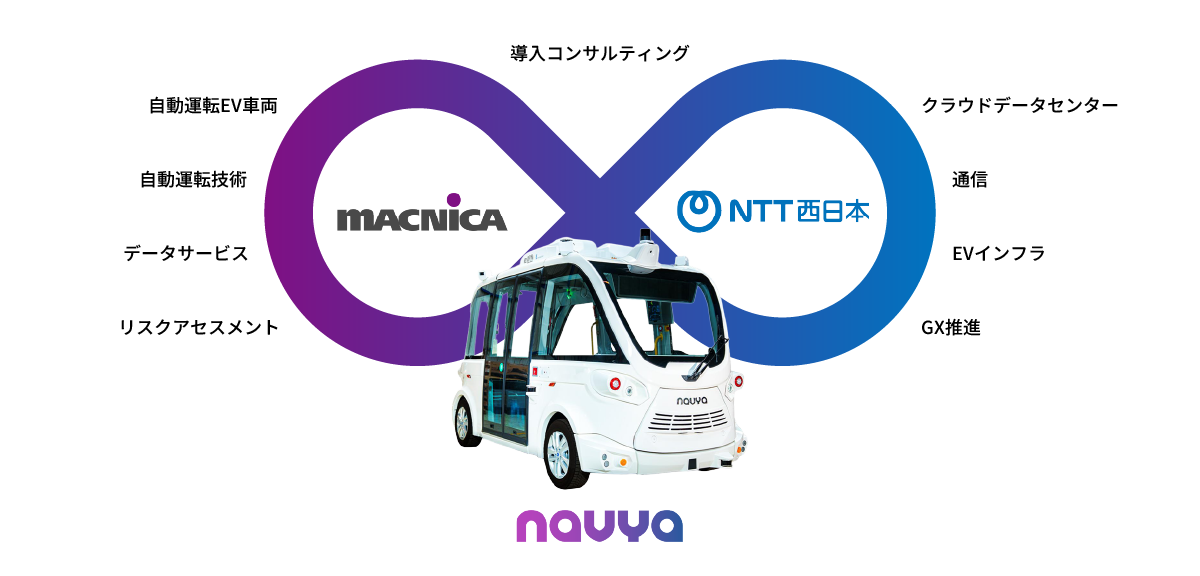
Vehicle and system configurations supporting operations
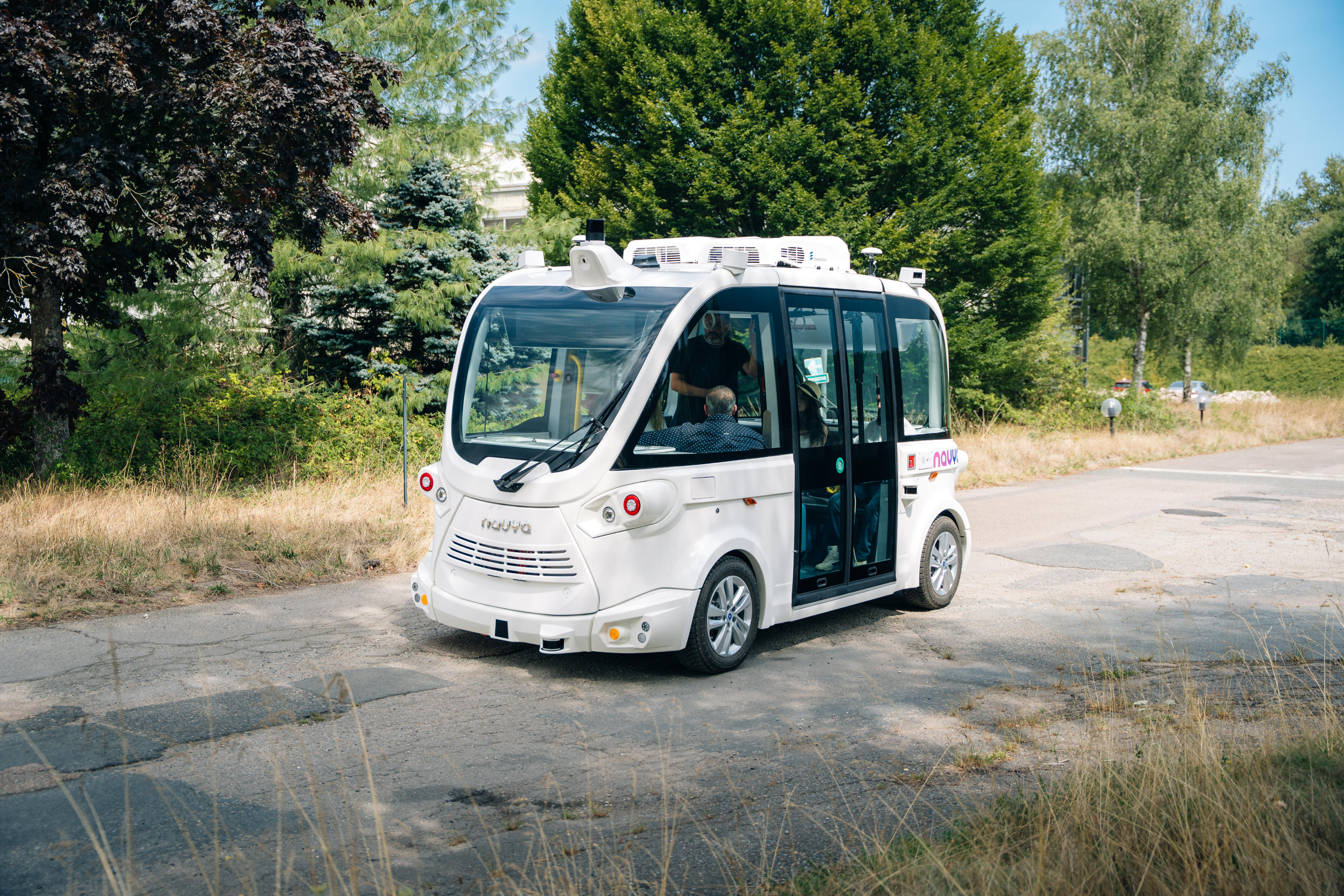
Based on Navya Mobility's autonomous driving electric bus "EVO," we provide a complete service including vehicle and operation management.
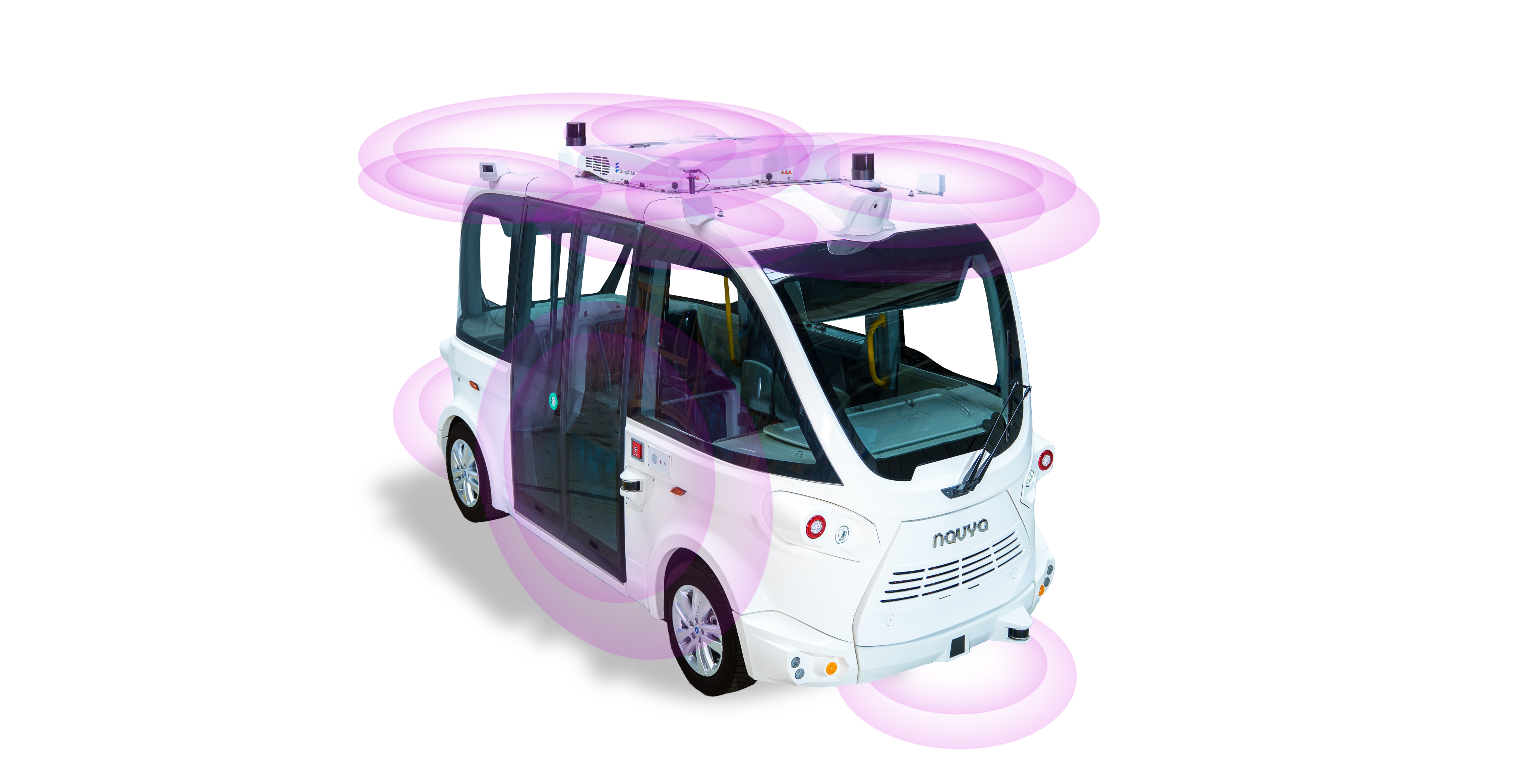
Vehicles and sensors
The EVO combines LiDAR, cameras, GNSS, and other technologies to recognize its surroundings and drive autonomously. It is equipped with operational features such as passenger safety and stop control.
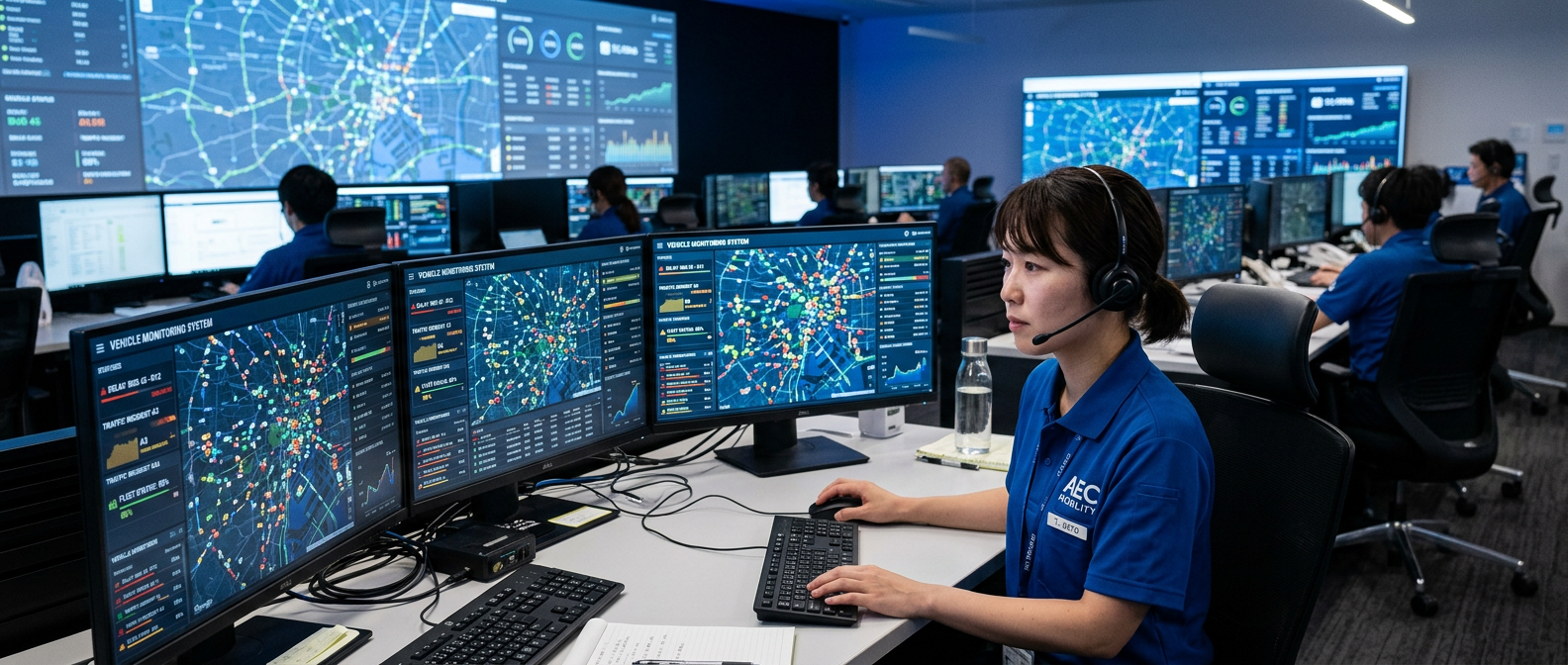
Overall operation
autonomous driving EV buses are not just vehicles in themselves, but rather a complete operation encompassing operational planning, monitoring, and safety management. A combination of on-site support and systems ensures stable operation.
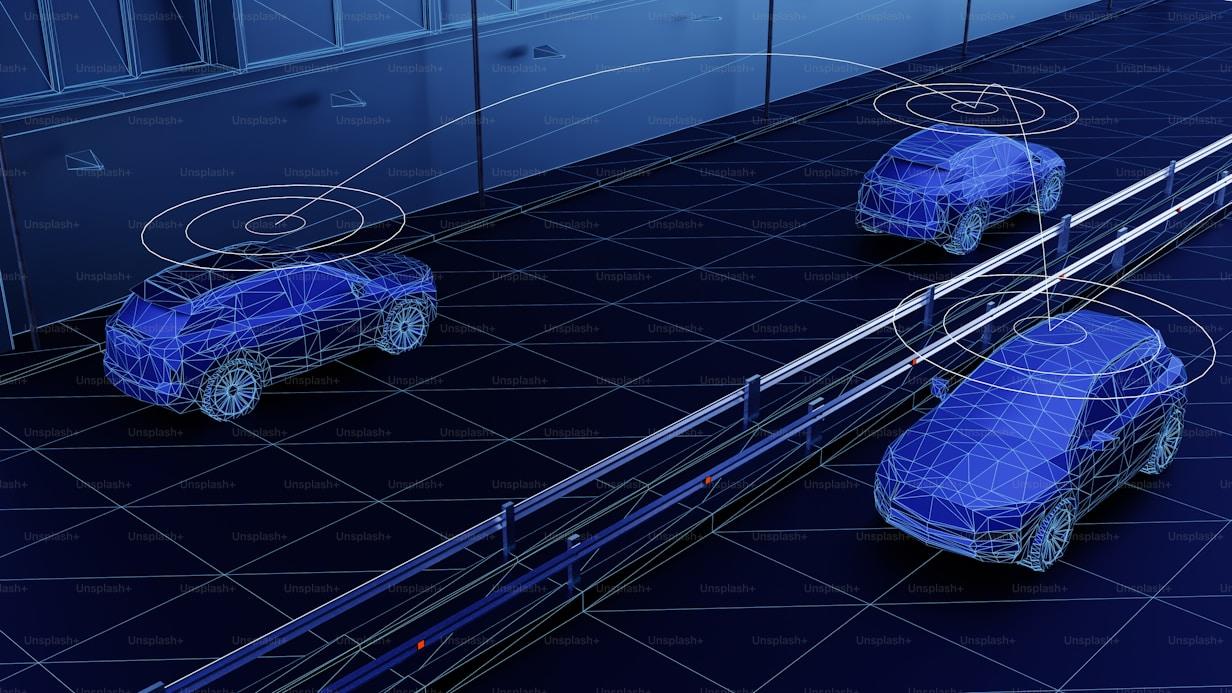
Remote Operation Management System
We monitor and respond to vehicle locations and operating status in real time from a remote location. This ensures safety and operational efficiency through emergency response and visualization of operating status.
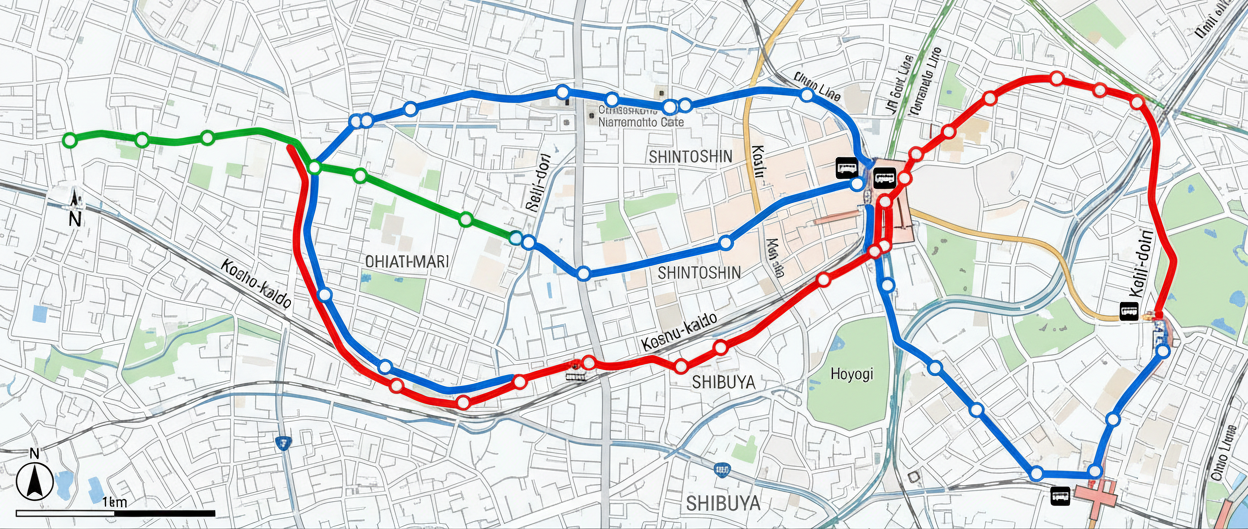
Considering a phased expansion
We will start with a demonstration phase, gradually transitioning to full-scale implementation while refining operating conditions and areas. The system is designed to be expandable as we start small and verify the results.
autonomous driving electric bus "EVO"
Main specifications
Navya Mobility EVO
Equipped with an autonomous driving system that combines multiple sensors, it can be deployed in a wide range of environments, from demonstration to operation.
Implementation Process
The introduction of autonomous driving electric buses is not complete simply by acquiring the vehicles. Implementation requires a step-by-step approach that includes operational design, safety management, and compliance with regulations.
We will organize the feasibility and institutional aspects, and clarify the direction of implementation.

Organizing issues
We will organize the current challenges and clearly identify the points that can be solved with autonomous driving.

Examination of applicable areas (public roads/on-site premises)
We will consider the optimal application area based on the driving environment and usage scenarios.
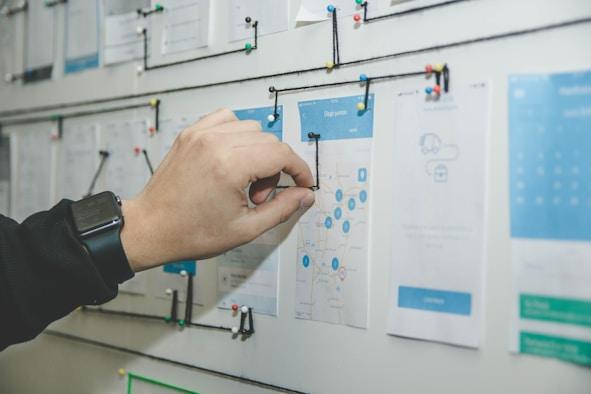
Implementation process design
We will organize the process from demonstration to full-scale implementation and create a realistic implementation plan.

System/subsidy arrangement
We will organize information regarding relevant government ministries and agencies, the systems in place, and the possibilities for utilizing subsidies.
We built the implementation model while confirming safety and operability.

System Design
We design the overall system, including vehicles, communications, and operational management.
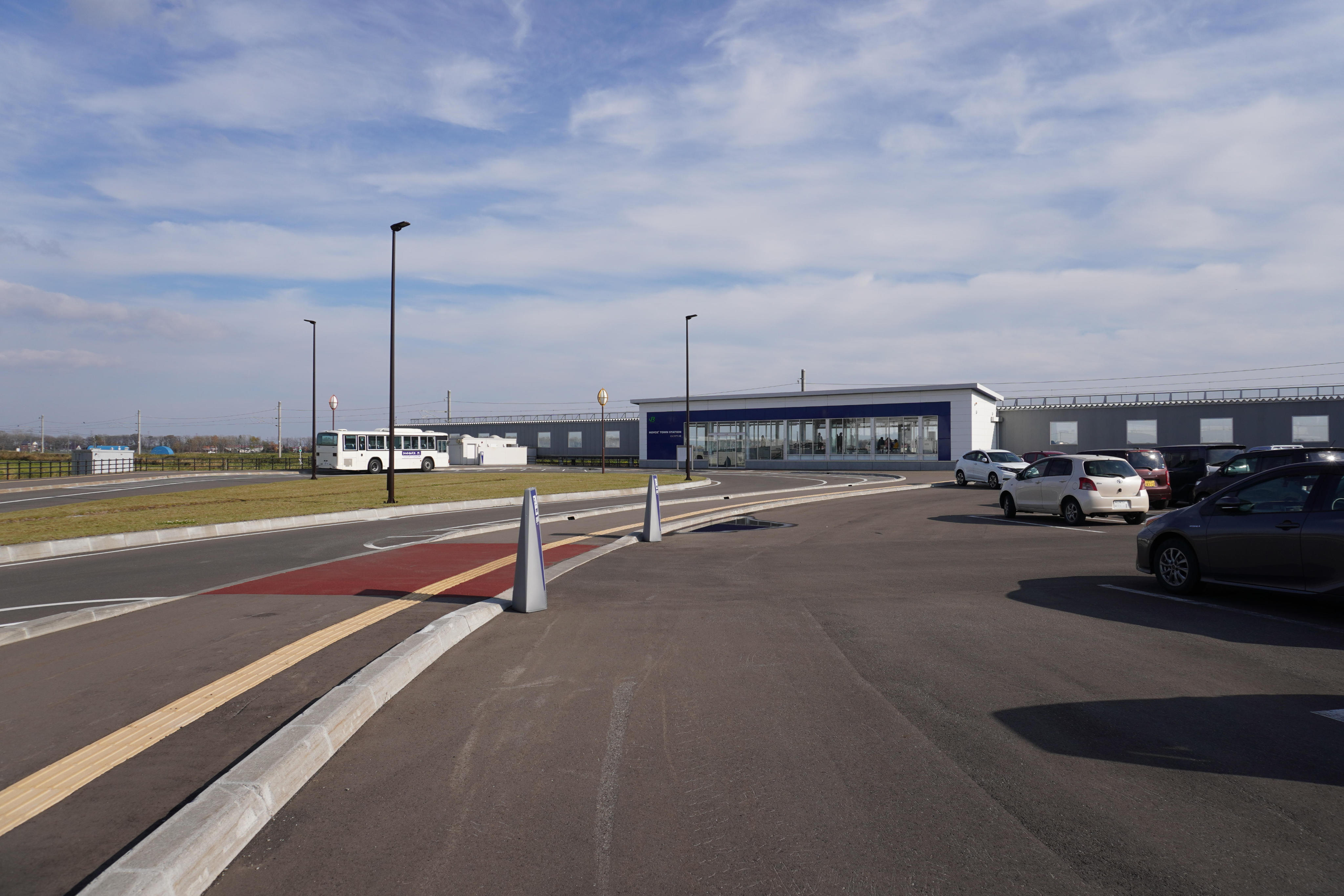
Safety evaluation
We will confirm safe operating conditions, taking into account the driving environment and risks.
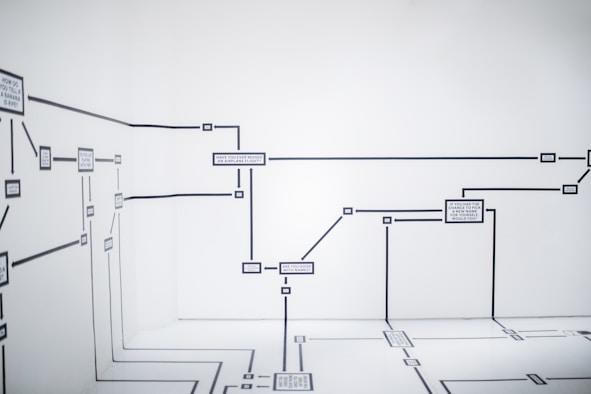
Operational flow construction
We design the operational flow, including daily operation, monitoring, and response.

Coordination of stakeholders
We will establish roles and responsibilities and operational structures with local governments, facilities, and related businesses.
We will begin operations and make continuous improvements based on the data we collect.
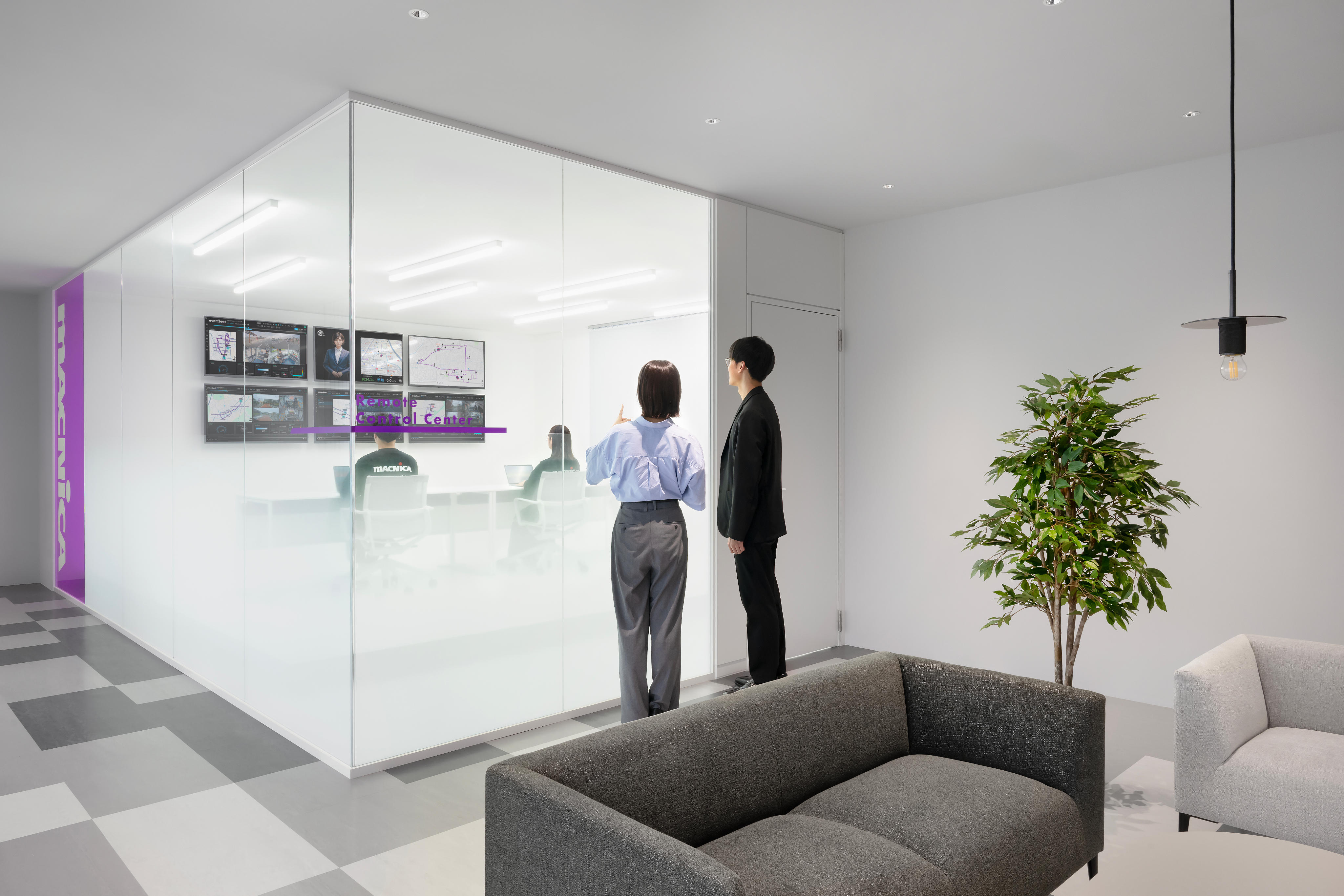
Establishment of operation system
We will establish an operational system that combines on-site operation with remote monitoring.
System Integration
We will create a stable operating environment by coordinating with existing operational management and infrastructure.
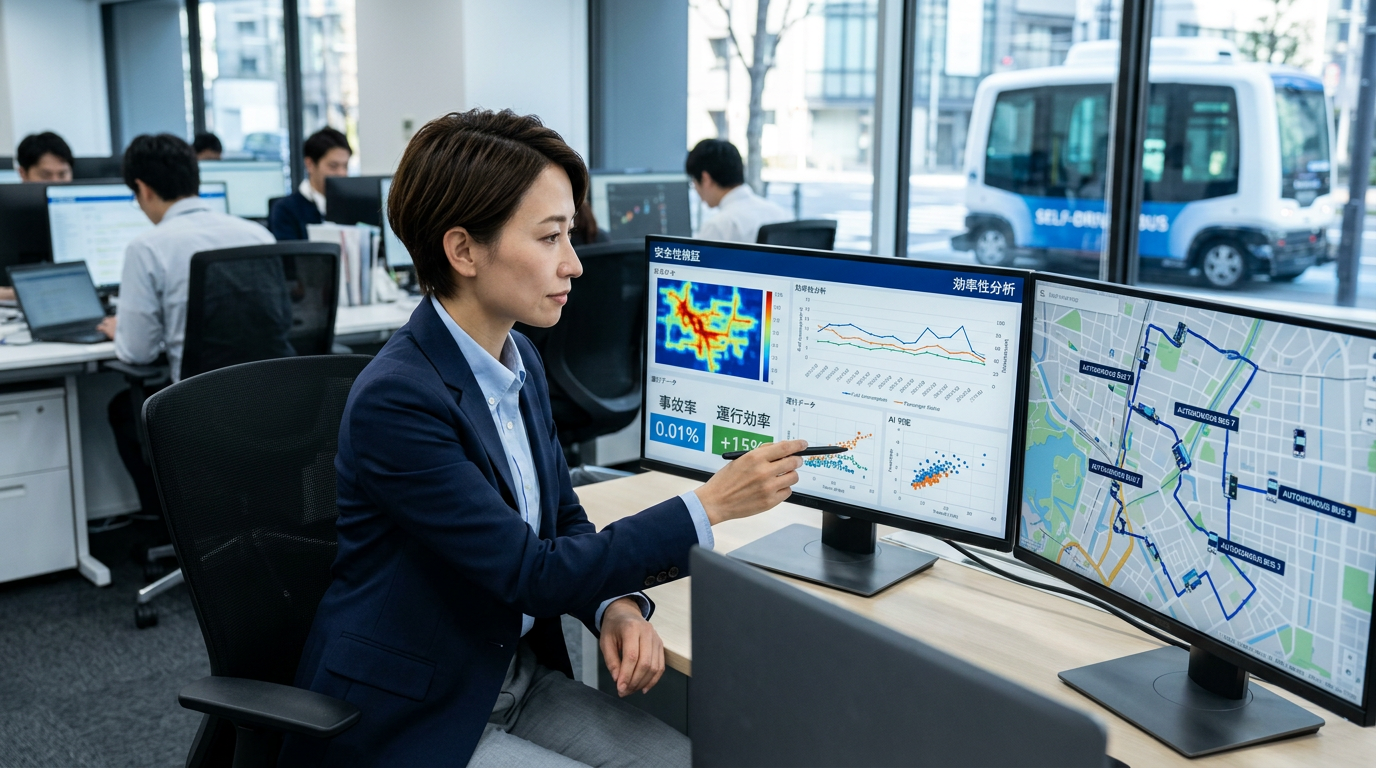
Effectiveness Verification
We will verify safety and efficiency based on operational data.

Continuous improvement
We will continuously make improvements based on operational performance, leading up to full-scale implementation.
Regarding the introduction of autonomous driving buses
Please feel free to contact us for a consultation.
We will propose the optimal implementation method based on the conditions and challenges at your site.
Case study
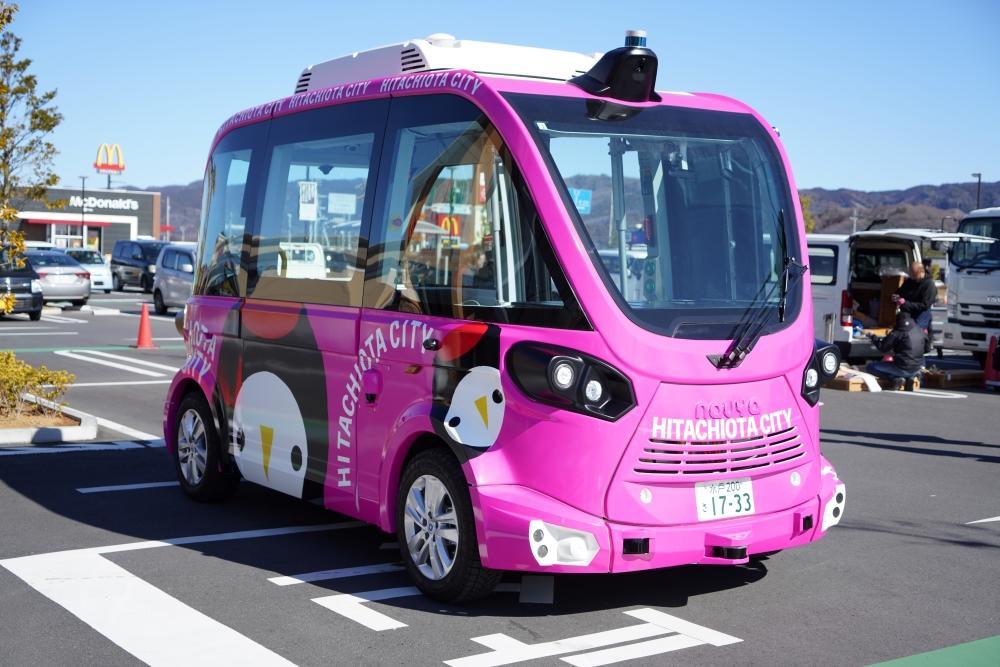
Hitachiota City, Ibaraki Prefecture (Currently operating on a regular schedule)
It operates regularly in urban areas, supporting the transportation needs of local residents and contributing to improving the convenience of the city.

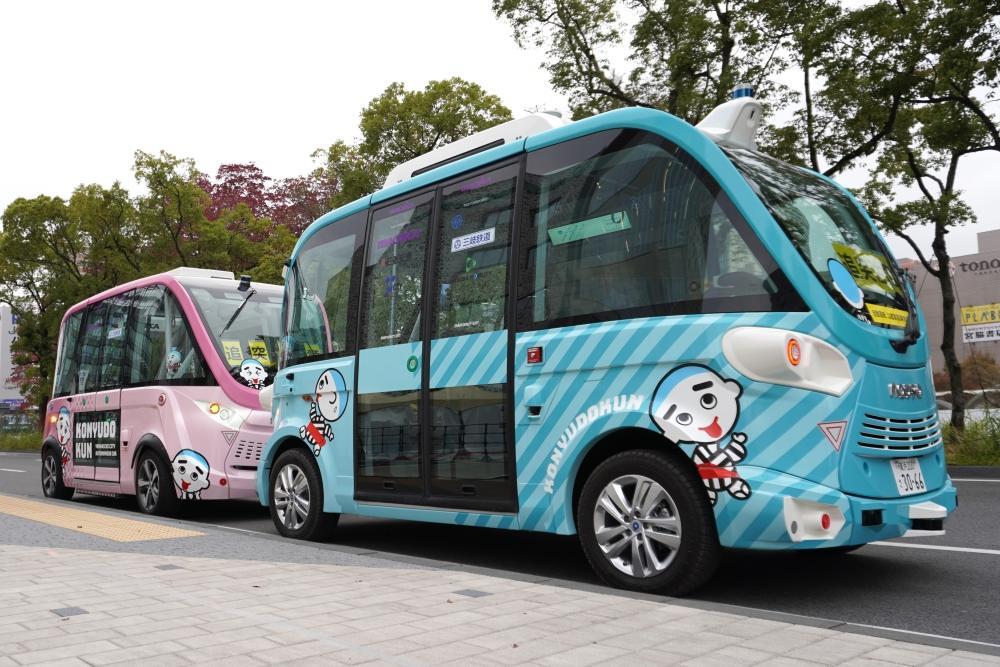
Yokkaichi City, Mie Prefecture
To improve accessibility within the city center, demonstration experiments are held annually to implement regular service.
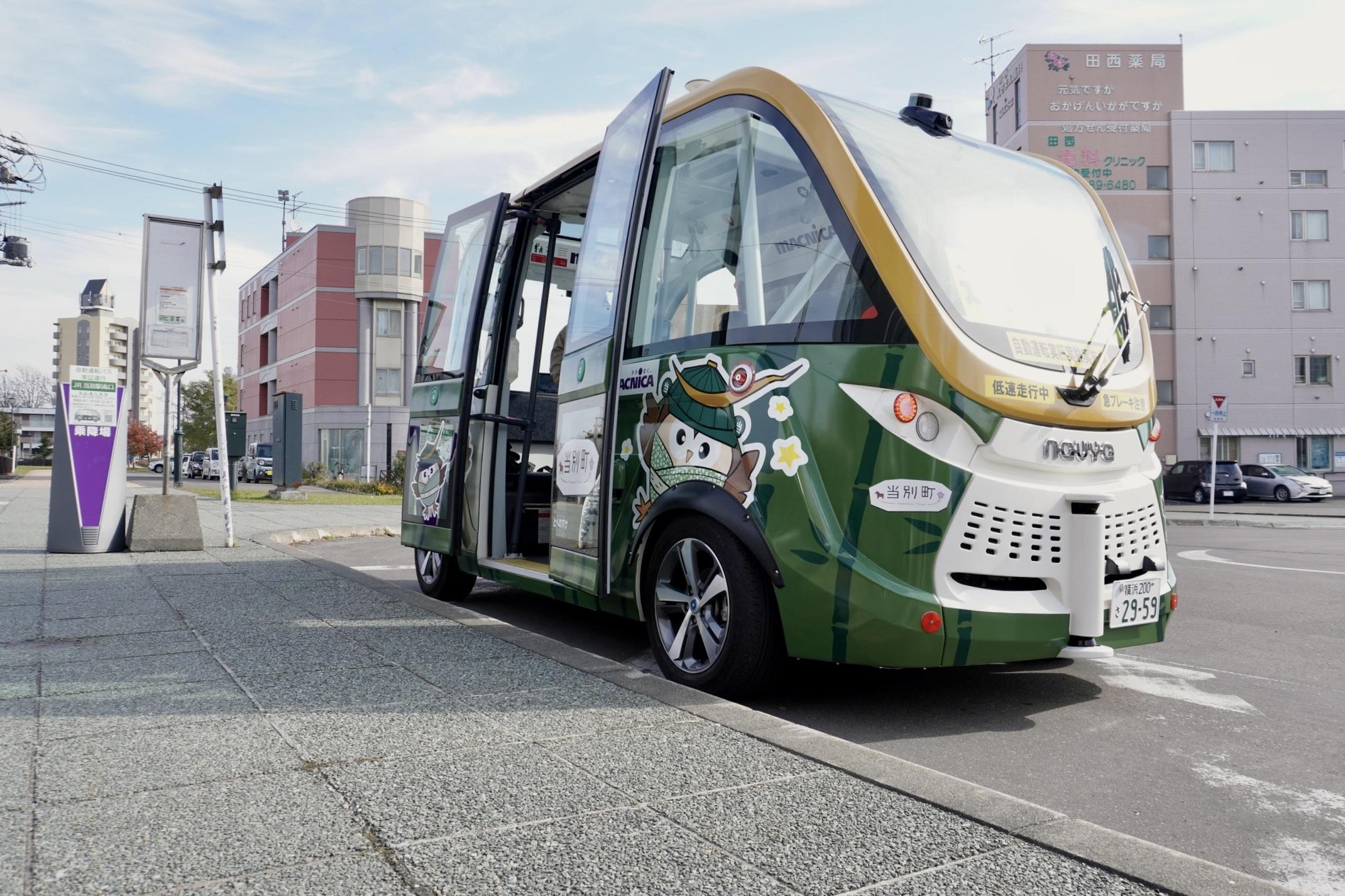
Tobetsu Town, Hokkaido
Tobetsu Town also conducted a trial run with the aim of realizing sustainable public transportation integrated with town development.