- Healthcare Business HOME
- wellness
- nursing care
- medical care
- DX Support
-
column·
example
- Inquiry
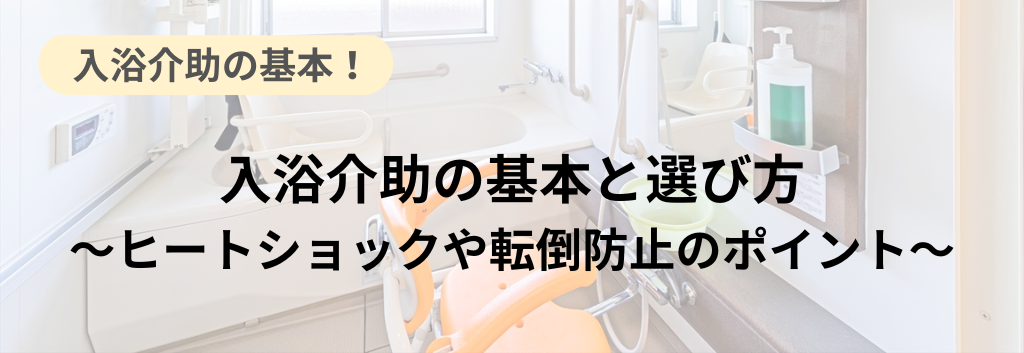
Bathing is not only a way to keep the body clean, but it is also an important time to relax the body and mind and change your mood. Many people look forward to bathing, so adding seasonal touches, such as adding yuzu or iris to the bathtub, will also help to nourish the minds of those who use it.
However, bathing assistance also carries many hidden risks. Because the user's skin is exposed, there is a higher risk of injury from falls, drowning, or slipping. Many people are probably worried about how to provide safe bathing assistance.
It is ideal to choose a bathing method that is less stressful and more comfortable for both the user and the caregiver.
In this article, we will take these risks into consideration and explain various bathing methods, the characteristics of bathing equipment, and key points for assistance, as well as provide tips for providing safe and comfortable bathing assistance.
Eliminate anxiety about bathing assistance! Advance preparations and risk management for safe bathing
To provide safe bathing assistance, it is extremely important to prepare and maintain the environment before starting the assistance. In particular, it is essential to check the user's physical condition and the bathroom environment.
There are various risks involved in assisting with bathing, but by properly understanding these and taking measures, both the user and the caregiver can enjoy bathing time with peace of mind.
Risks caused by physical conditions and countermeasures
The physical condition and physical function of the bather greatly affect their safety while bathing. Let's take a look at the risks that can arise from a sudden change in physical condition or a decline in physical ability, and the measures you can take to prevent them.
● Sudden changes in physical condition (blood pressure fluctuations, dizziness, loss of consciousness, etc.)
Before bathing, be sure to check the user's vital signs (temperature, blood pressure, pulse rate) and note any changes in their physical condition, including their complexion and tone of voice. If the user has a fever or their blood pressure is higher or lower than usual, do not force them into a bath, but rather have the courage to consider alternatives such as a cleansing towel or foot bath. While respecting the user's desire to bathe, make sure safety is your top priority when making decisions.
● Drowning
There is a risk that your child may lose balance and drown in the bathtub. Always keep an eye on your child while they are in the bathtub, always talk to them, and support them if necessary.
● Falls and trips
For users who are unstable on their legs and hips, slippery floors in bathrooms and changing rooms are a major danger. When moving around, caregivers should use handrails and provide careful hand-guiding assistance, with the caregiver providing firm support.
Environmental risks and countermeasures
The environment of bathrooms and changing rooms is directly related to the safety of users. Seasonal temperature changes and floor conditions can be particularly risky, so it is essential to check and take measures in advance.
● Heat shock (winter)
Going from a cold changing room to a hot bathtub can cause a sudden change in blood pressure, which can lead to loss of consciousness. It is important to heat the bathroom and changing room beforehand to eliminate the temperature difference.
● Heatstroke (summer)
Prolonged bathing or caregiving in a hot and humid bathroom increases the risk of heatstroke. Ensure adequate ventilation and encourage hydration before and after bathing. Caregivers themselves also need to take measures to prevent heatstroke.
● Slippery floors and steps
To prevent falls, place anti-slip mats on the bathroom floor and in the bathtub. Also, install ramps and place handrails where there are steps.
● Burns and low-temperature burns
The caregiver should always check the bathtub water temperature and make sure the user is comfortable. Also, be careful not to suddenly turn up the temperature in the shower. Be careful not to get low-temperature burns by soaking in the water for a long time in the same position.
Risks arising from care methods and countermeasures
Safe bathing assistance requires the caregiver to have the appropriate knowledge and preparation, as well as careful consideration while providing the assistance.
● Physical burden on caregivers
Bathing assistance is hard work and places a great strain on the caregiver's body. It is important to use proper body mechanics and be conscious of reducing strain on the hips and knees. If necessary, consider having two people assist the caregiver.
● Insufficient or incomplete supplies
It is important to have all necessary items (change of clothes, towels, soap, shampoo, etc.) within easy reach and to minimize the time you are away from the person while providing care. Check in advance that the assistive devices you will be using are in good condition.
The best bathing method for each user
Now that we understand the advance preparations and risk management, let's look at specific bathing methods tailored to the user's physical condition and the tools that will be useful during these times. Here, we will introduce the characteristics of the main bathing methods, key points for assistance with each, and recommended tools.
1. Bathing in a regular bathtub
This method uses a bathtub like those found in ordinary homes. It is suitable for people who can bathe on their own with supervision and light assistance. Being able to bathe in an environment that is familiar to them will also give the user a sense of mental security. Utilizing the user's own home bathtub as much as possible will also help maintain their quality of life.
● Key points for assistance
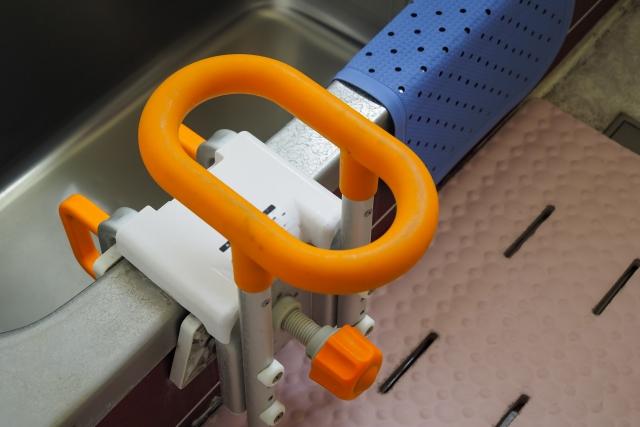
Installing handrails: Install vertical or L-shaped handrails in appropriate locations so that you can hold on to them when getting in and out of the bathtub. Fixed handrails that help you stand up are also effective.
Anti-slip measures: Placing an anti-slip mat on the bottom of the bathtub can reduce the risk of falls and slipping and getting injured. Bathroom floors can also be slippery, so be sure to pay attention to where you step.
Checking the water temperature: The caregiver must always check the water temperature and adjust it while checking with the user to ensure it is not too hot or too lukewarm.
Talking to and supervising: While bathing, we will always talk to the person and keep an eye on them to make sure they are not feeling unwell or have any changes in their physical condition.
● Recommended tools
Bathtub handrails: These include types that are fixed to the edge of the bathtub, and freestanding, stable types.
Non-slip mats: for use in the bathtub and shower area. Suction cups provide stability.
Bath board: A board-like device that is placed over the edge of the bathtub to help you sit and wash your body, or to help you get in and out of the bathtub. It is effective when it is difficult to straddle the bathtub while sitting.
Shower chair (compact type): May be used to stabilize a sitting position in the bathtub.
2. Sitting bathtub (bath where you sit)
This bathtub is suitable for people with leg and back problems, people who have difficulty standing up safely on their own, or people who are afraid of standing up.The edge of the bathtub is designed to be lower than a regular bathtub, and the structure allows you to get in and out of the bathtub while sitting in a chair, which greatly reduces the strain on your legs and back.
● Key points for assistance
Consider various types: There are many types available, such as a combined bathtub and chair with casters, a bathtub with retractable sides for easy bathing, and a chair lift that is installed inside the bathtub. Choose the one that best suits the user's physical condition, ease of assistance, and installation space.
Ensuring safety during transfers: When transferring from a chair to the bathtub or from the bathtub to a chair, the caregiver must support the patient's body firmly and take great care to prevent the patient from falling. Avoid assisting in an awkward position, and if necessary, have multiple people assist.
Stabilizing your posture: If you are unable to keep your body stable in the bathtub, use a posture support cushion or similar item as necessary to ensure your safety.
● Recommended tools
Sit-up bathtubs: There are many different types available from various manufacturers.
Bath wheelchair/shower carrier: Convenient for transferring to a sitting bathtub or moving around the bathroom.
Shower chair with seat height adjustment function: The seat height can be adjusted, which helps reduce the burden on the caregiver.
3. Mechanical bath (bath while lying down)
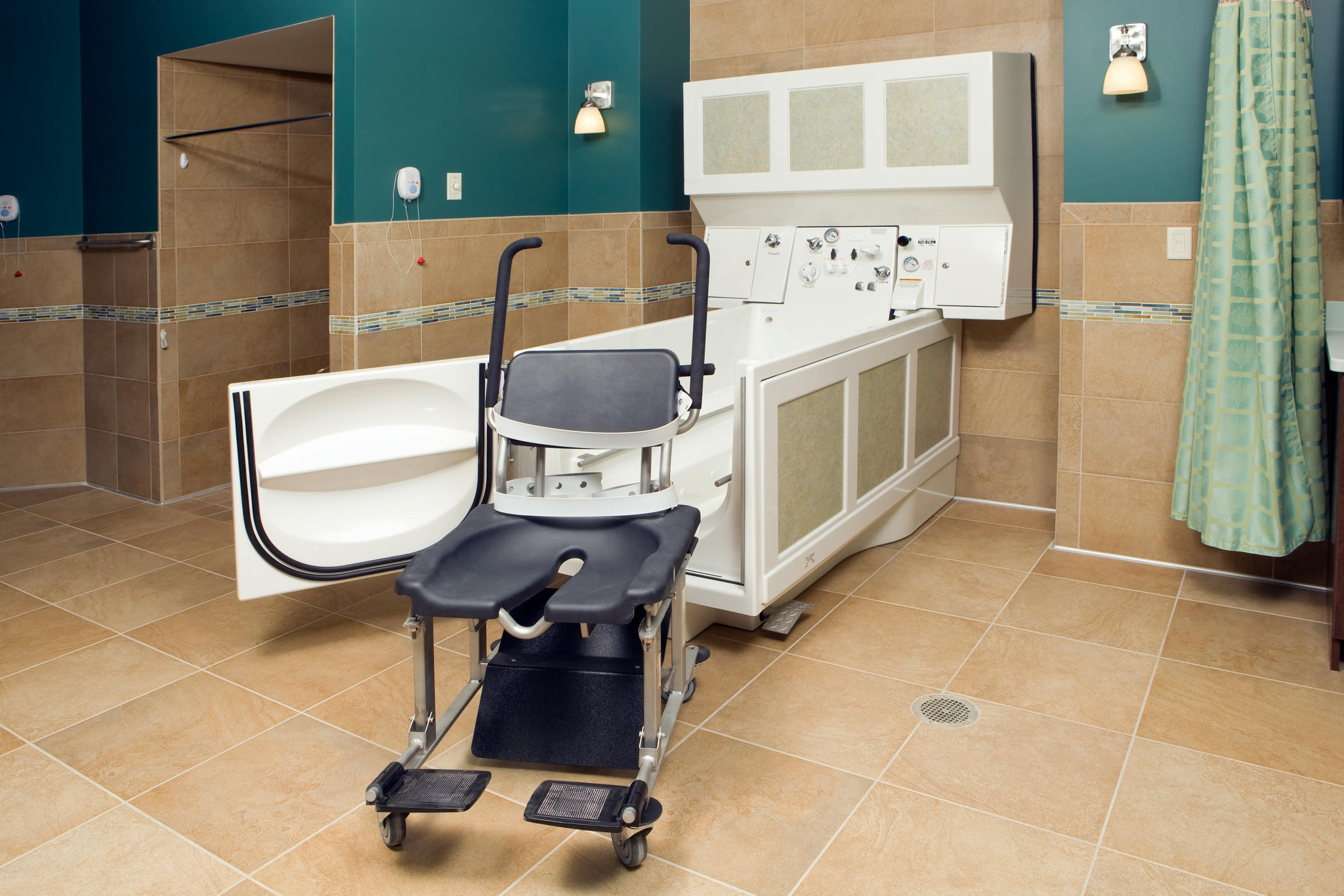
This bathing method is suitable for people who have difficulty sitting up on their own, people with severe contractures, or people who want to minimize the strain on their bodies. After transferring from a wheelchair to a stretcher, the user can change clothes, wash, and bathe in one continuous sequence while lying down, significantly reducing the burden on the user.
● Key points for assistance
Careful transfer: Transferring from a wheelchair to a stretcher should be done carefully by multiple people (usually at least two people) to avoid putting strain on the user's body. Using assistive devices such as a sliding board can also be effective.
Caution when changing position: When using the back or leg lifting functions of the stretcher, adjust the angle slowly while supporting the patient to prevent them from slipping. Extreme care is required, especially for light-weight patients.
Supervision during bathing: The user's body may float while bathing, so always observe their condition and ensure their safety. If necessary, consider using a belt or net to maintain position.
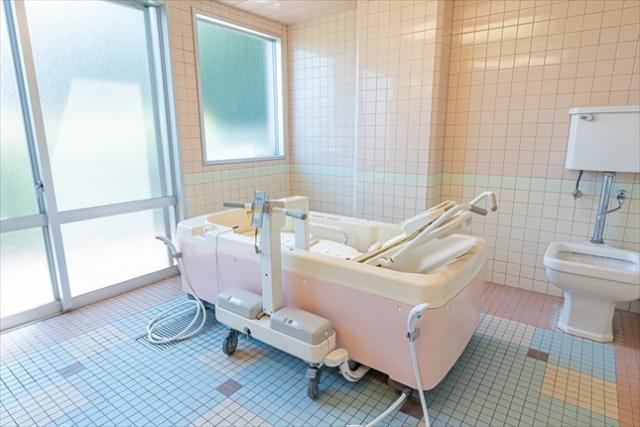
● Recommended tools
Stretcher bathtub (sleeper bathtub): These generally have lifting and angle adjustment functions.
Sliding board/seat: Used to facilitate smooth transfer from wheelchair to stretcher.
Simple lift: May also be used to assist with transferring to a stretcher.
4. Other bathing methods: shower bathing and foot bathing
Even if you are not feeling well or want to avoid bathing, it is an effective way to keep your body clean. A shower is an easy way to cleanse your whole body, and a foot bath can also have a relaxing effect by warming your feet. Because it is less tiring, it is used as an alternative when a full-body bath is difficult.
● Key points for assistance
Choose according to your child's physical condition: Depending on their physical condition that day, such as their body temperature or blood pressure, a full-body bath may be difficult. Rather than forcing them to take a bath, actively suggest alternatives such as showers or foot baths.
Keeping warm: It's easy to get cold if you only take a shower, so it's a good idea to take measures to increase the warmth, such as using a foot bath while showering or showering with a towel around your shoulders. This will help your body warm up more easily and prevent you from catching a chill after the bath.
Maintaining cleanliness: Even when only partially bathing, it is important to maintain cleanliness. Assist with washing and wiping carefully according to the user's condition.
Environmental preparation: If using a shower chair, make sure it is stable and place a non-slip mat under the chair to prevent tipping over. If using a foot bath, be careful of the temperature and height of the foot bath.
● Recommended tools
Shower chair: This is essential for maintaining a stable position while showering. There are various types, including those with backrests and armrests, and those with swivel seats.
Shower carrier: If you have difficulty moving around on your own, you can carry yourself to the bathroom while sitting and take a shower right there.
Foot bath: A special container for soaking your feet. Some also have a foot bath function.
Wet towels for cleaning: Useful for cleaning your entire body when showering is difficult.
Post-bath care: The final step in safe bathing assistance
Bathing assistance doesn't end when the person gets out of the bathtub. After warming up and relaxing in the bath, the body is more susceptible to illness and the risk of falling remains, so post-bath care is also very important.
● Hydration
You will sweat and lose more fluids than you think while bathing. To prevent dehydration, drink warm drinks or water slowly, one sip at a time, after changing clothes.
● Moisturizing care
Skin tends to become dry after bathing. This is especially true for elderly people, so it is important to moisturize as soon as possible after bathing. When applying moisturizer, spread it gently, massaging it in.
● Dress and keep warm
Encourage your child to put on clothes immediately after bathing to prevent their body from getting cold. In winter in particular, it is a good idea to prepare pre-warmed towels and gowns so that they do not feel cold until they return to their room.
● Final health check
Even after the resident returns to their room, keep checking their condition frequently for a while. It is important to observe any changes before and after bathing, such as whether they are dizzy or lightheaded, or if their complexion has deteriorated.
By carefully performing these tasks, the entire bathing experience will be safer and more comfortable.
Related information
![[Monitoring System] The basics of toilet assistance! Thumbnail image of how to change a diaper](/business/healthcare/columns/3624ee026f3d84b6dbdd68f24e9198d9.png)
Inquiry
If you have any questions about this service, please contact us below.
Introduction of monitoring system
Next-generation monitoring system AttentiveConnect
Data such as sensor alerts, sleep and vital information can be collectively managed on this system.