- 半導体事業HOME
- マクニカの製品・サービス
-
技術情報

-
イベント・セミナー
- 取扱メーカー
- サポート
- お問い合わせ
- 製品購入はこちら
- 半導体事業のメルマガ登録

近年、ストレージ技術は飛躍的な進化を遂げており、その中核を担うのがユニバーサルフラッシュストレージ4.1(以下、UFS4.1)です。
UFS4.1はAI(人工知能)をはじめとする先端分野との親和性が高く、従来のストレージの枠を超えた新たな価値を提供します。
本ページではUFS4.1の特長やラインナップについてご紹介します。
特長
驚異的なデータ転送速度と効率
UFS4.1は最大4,100MB/sを超える高速なデータ転送を実現し、デジタルコンテンツの読み書きをこれまで以上にスムーズにおこなうことができます。この優れた処理能力により、AIアルゴリズムによるリアルタイムのデータ解析や処理が可能となり、大容量データへの迅速なアクセスや、即時の学習・予測が求められるアプリケーションに最適です。
また、UFSはシリアルインターフェースを採用し、フルデュプレックス通信による同時のデータ読み書きが可能です。これにより、データ転送速度が大幅に向上し、従来のe.MMC(最大400MB/s)を大きく上回るパフォーマンスを発揮します。

図1. UFSとe.MMCのデータ転送速度の比較表
世界最速G9 NANDを搭載
Micron G9 NANDは業界最速のNAND I/O転送速度である3.6GB/sを実現し、AIトレーニングや機械学習から非構造化データベース・自動運転車・クラウドコンピューティングまで、データ中心のワークロードで求められる低レイテンシーと高スループットのニーズを満たします。
Micron UFS 4.1製品に最速NANDを搭載し、最高水準のパフォーマンスとイノベーションを提供します。
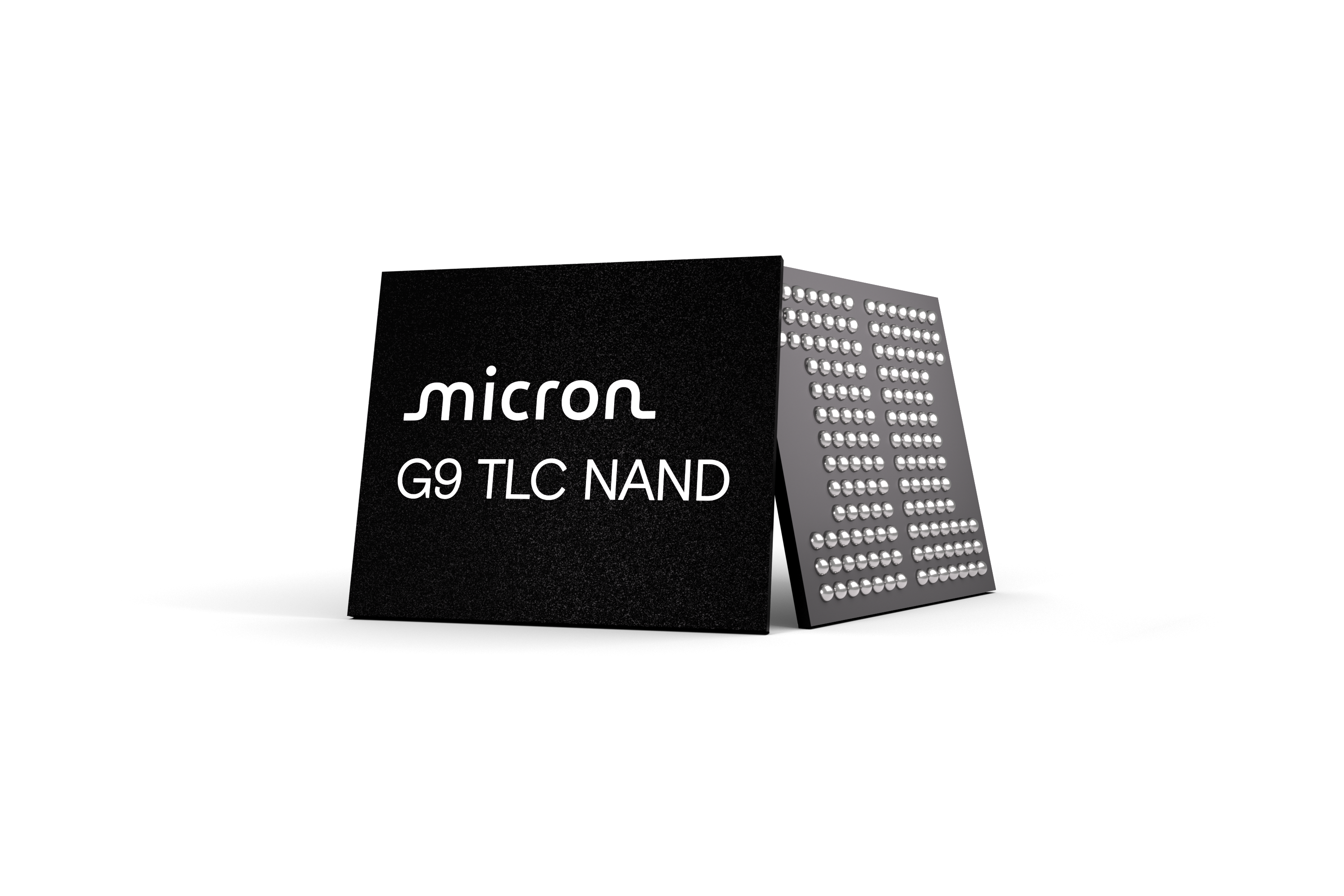
図2. Micron G9 NAND(引用元:micron-g9-chip-functional-iso_transparent-cc.png (3000×2000))
Micron独自開発ファームウェア
データの保存方法・保存場所の効率をストレージデバイス内で最適化する機能です。
データデフラグ機能
パフォーマンス低下は多くの場合、データの断片化が原因となっています。ファイルがストレージ内で分散し、効率的な読み出しが困難となります。データデフラグ機能は、ストレージ内のコントローラーがホスト層をバイパスして、NAND内で直接デフラグコマンドを発行できるようにすることでこの問題に対処します。
WriteBoosterの固定機能
WriteBoosterの固定により、ホストはWriteBoosterと呼ばれるストレージデバイス内の指定された領域から頻繁に使用するデータを固定します。これによりストレージからメモリーへの重要なデータを動的に転送することが容易になり、メモリー容量に負荷をかけることなく、より効率的な処理が容易になります。
インテリジェント・レイテンシートラッカー (ILT) 機能
システムとストレージデバイスの両方でI/Oストレージレイテンシーを監視し、スマートフォンのパフォーマンスに影響を与える異常な遅延を検出して分析します。
製品ラインナップ
Micron提供のUFS4.1製品を表に示します。
|
製品型番 |
MTFC1TBGBCTD-AAT |
MTFC512GBGBCTD-AAT |
MTFC512GBGBCTD-AIT |
MTFC256GBGBCTD-AIT |
MTFC128GBGBCTD-AIT |
|
容量 |
1TB |
512GB |
256GB |
128GB |
|
|
NAND |
TLC |
||||
|
プロトコル |
UFS4.1 |
||||
|
動作温度 |
-40℃ ~ +105℃ |
-40℃ ~ +85℃ |
|||
|
ボール数 |
153-ball |
||||
|
サイズ |
11.50 x 13.00 x 1.20 |
||||
アプリケーション例
Micron Technology社 UFS4.1製品は、下記のようなアプリケーションがターゲットとなります。
産業機器:ネットワーキング、オートメーション、監視用カメラ、セキュリティ機器、ロボット、ドローン
民生機器:タブレット、スマートフォン、デジタルカメラ、ゲーム機器
車載用途:高精度3Dマップ、テレマティックス、インフォテーメント、ADAS
お問い合わせ
不明点などがございましたら以下よりお問い合わせください。